one health world

One Health Day: Uniting Human, Animal, and Environmental Wellbeing – 3rd November

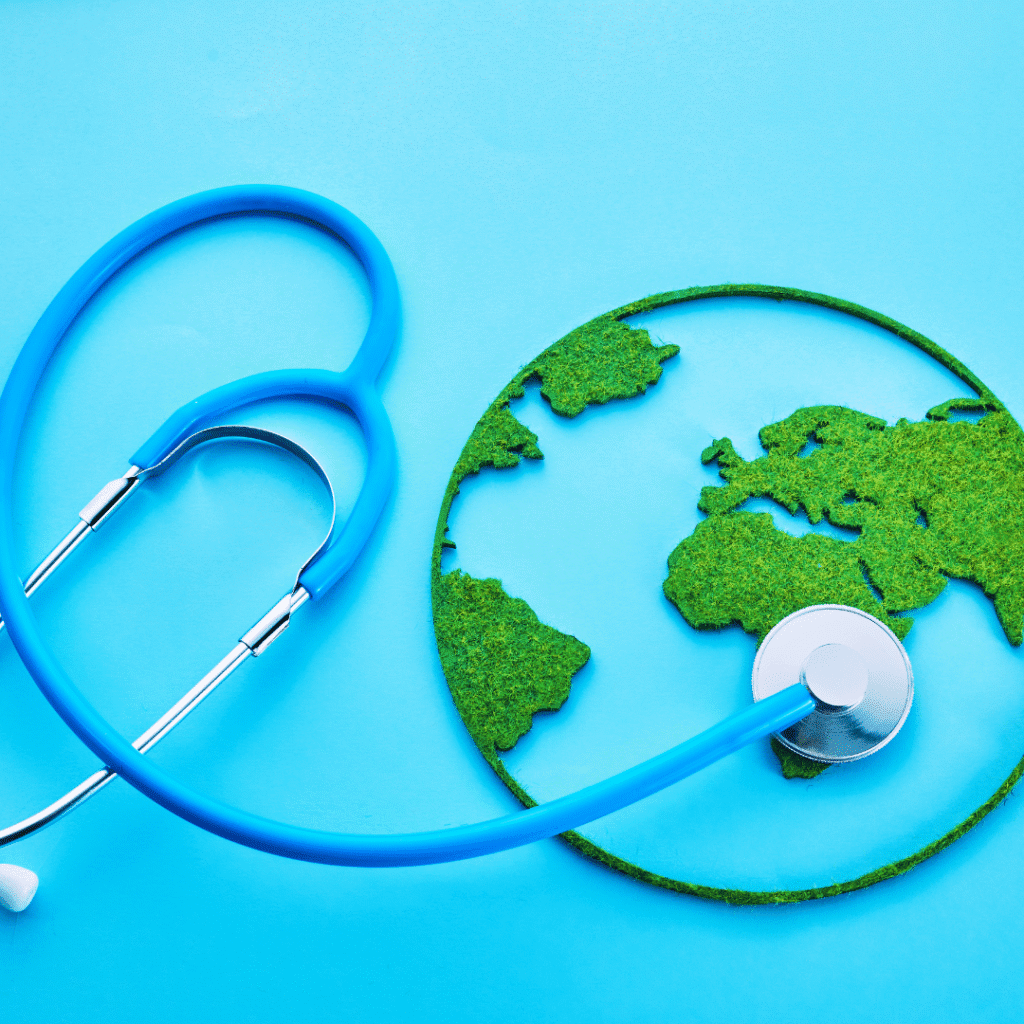
One Health Day, observed annually on 3rd November, is a global awareness campaign that highlights the interconnectedness of human, animal, and environmental health. In an era of emerging pandemics, climate change, and antimicrobial resistance, this day serves as a vital reminder that health challenges are rarely isolated. Instead, they demand collaborative, cross-disciplinary solutions. From scientists and veterinarians to environmentalists and traditional medicine practitioners, One Health Day brings together diverse voices to promote a holistic approach to global wellbeing.

human and butterfly

Origins of One Health Day

One Health Day was officially launched in 2016 by the One Health Commission, the One Health Platform, and the One Health Initiative Team. The initiative was born out of the urgent need for a transdisciplinary response to complex health threats—such as zoonotic diseases, food safety, and environmental degradation—that affect multiple species and ecosystems simultaneously.

The concept of “One Health” itself is not new. It dates back to the 19th century, when German physician Rudolf Virchow first recognised the link between human and animal health. However, it gained renewed relevance in the 21st century, particularly after outbreaks like SARS, avian influenza, and COVID-19, which underscored the importance of integrated health strategies.

conference

How One Health Day Is Celebrated

One Health Day is recognised through a wide array of events and initiatives across the globe:

  • Academic Conferences: Universities and research institutions host seminars and workshops to discuss One Health topics, from infectious disease surveillance to sustainable agriculture.
  • Public Awareness Campaigns: NGOs and health organisations run social media campaigns, webinars, and community outreach programmes to educate the public.
  • Collaborative Projects: Multidisciplinary teams work on joint research, policy development, and field interventions that embody the One Health ethos.
  • Youth Engagement: Schools and youth groups participate in poster contests, debates, and science fairs to inspire the next generation of One Health advocates.

Countries like the United States, Germany, India, and Kenya have been particularly active in organising events, but the movement is truly global, with participation from over 100 nations.

bacteria

Why One Health Matters

The importance of One Health cannot be overstated. Consider these pressing challenges:

  • Zoonotic Diseases: Over 75% of emerging infectious diseases in humans originate from animals.
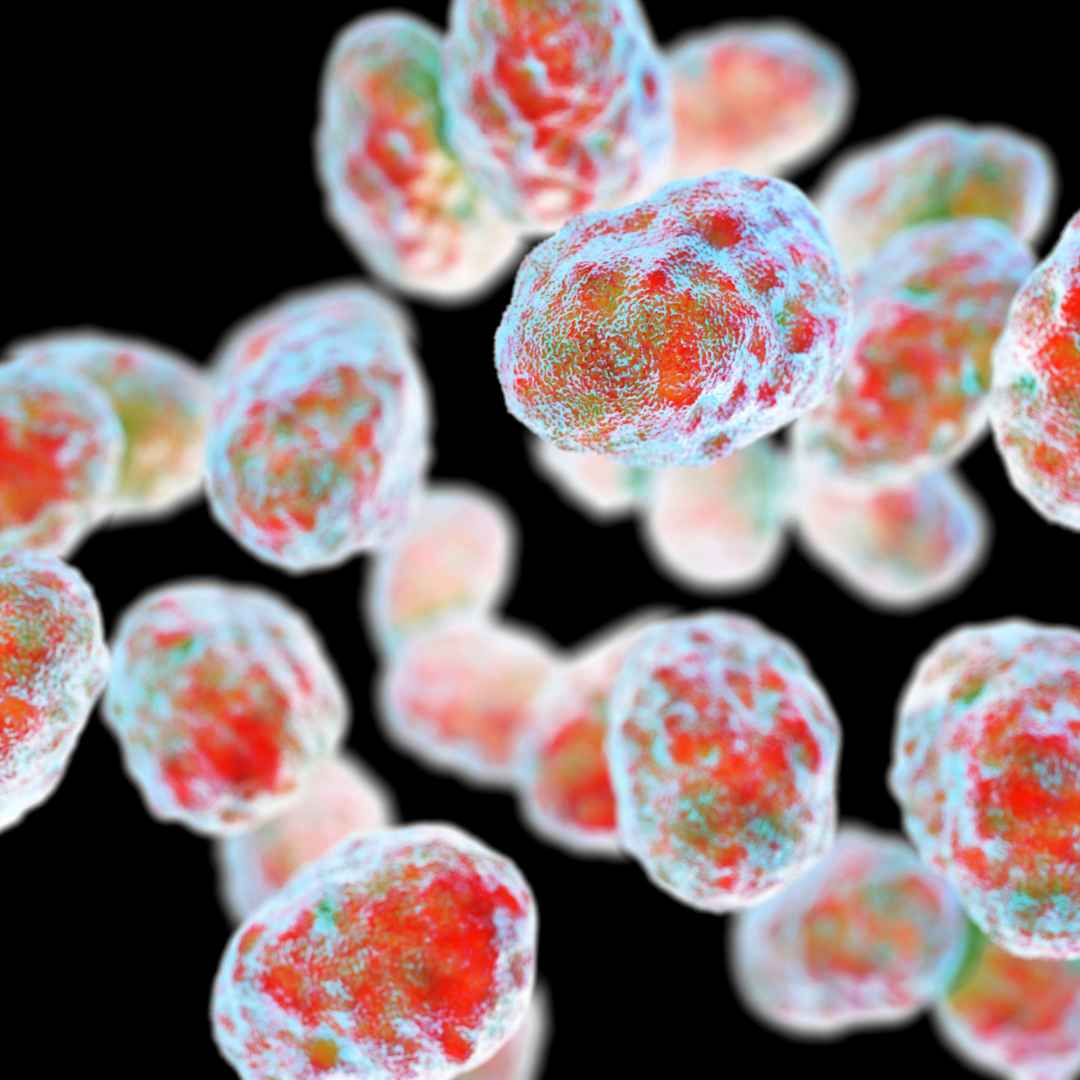
  • Antimicrobial Resistance: Misuse of antibiotics in both human and veterinary medicine contributes to resistant strains that threaten global health.
  • Climate Change: Environmental shifts affect disease vectors, food security, and water quality.
  • Mental Health: Environmental degradation and animal welfare issues can have profound psychological impacts on communities.

By recognising the interdependence of these domains, One Health promotes collaboration, prevention, and resilience—rather than reactive, siloed responses.

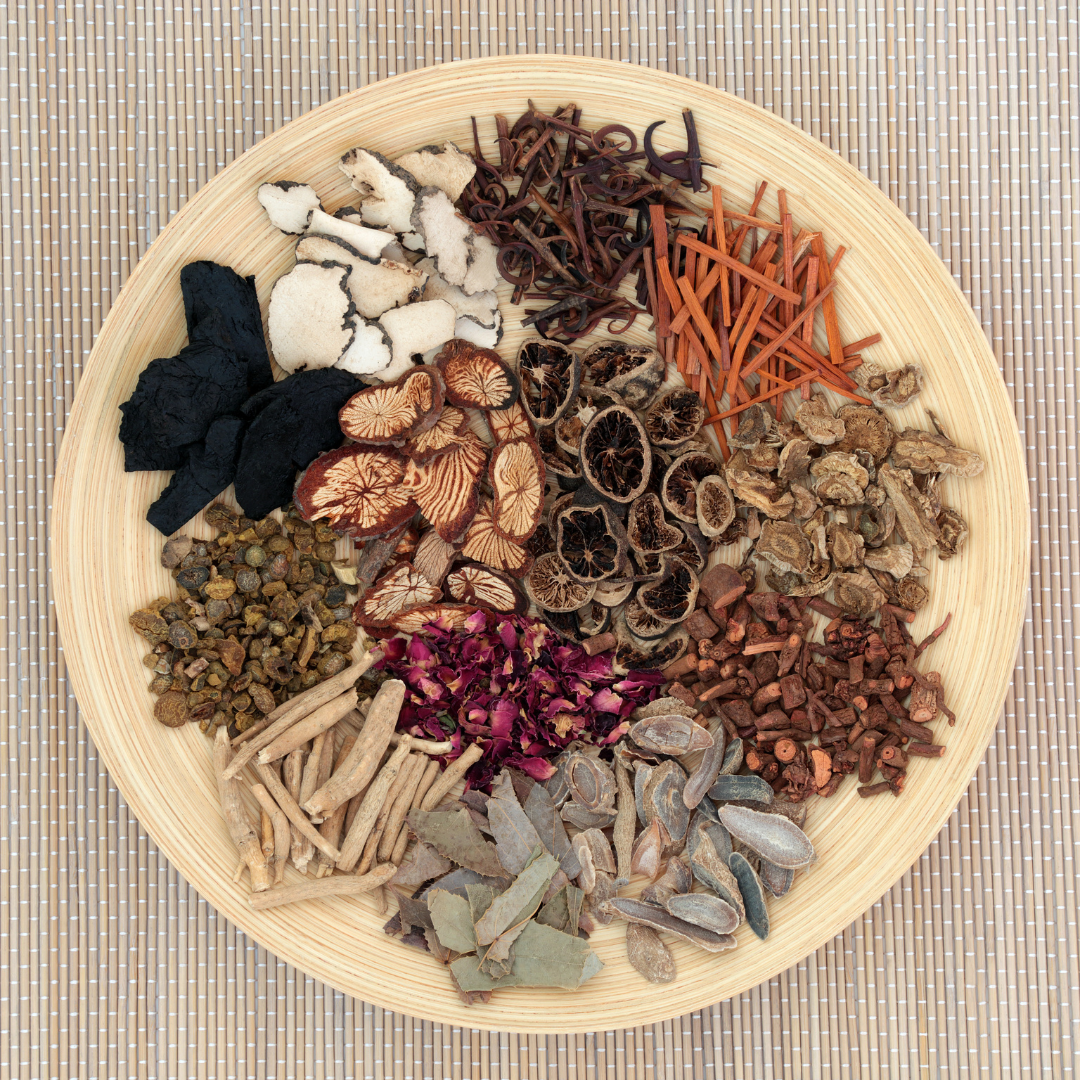
tcm herbs

The Role of Traditional Chinese Medicine (TCM)

Traditional Chinese Medicine (TCM) offers a unique lens through which to view the One Health philosophy. Rooted in the principle of balance—between Yin and Yang, the Five Elements, and the body’s internal and external environments—TCM naturally aligns with the holistic ethos of One Health.

TCM’s Contributions to One Health
  • Preventive Care: TCM emphasises early intervention and lifestyle adjustments to maintain harmony, reducing the burden on healthcare systems.
  • Herbal Medicine: Many TCM herbs have antimicrobial, anti-inflammatory, and immune-boosting properties, offering alternatives to synthetic drugs.
  • Environmental Awareness: TCM encourages seasonal eating and respect for nature’s rhythms, promoting sustainable living.
  • Animal Welfare: Ethical sourcing of herbs and plant-based remedies supports animal-friendly practices.

Practitioners of TCM often work in tandem with Western medicine to provide complementary care, especially in areas like chronic disease management, stress reduction, and immune support.

Phoenix medical logo

Where to Find TCM Support and Products

For those interested in integrating TCM into their wellness routine—especially in the context of One Health—there are several trusted UK-based resources:

  • Phoenix TCM: Offers a wide range of education in acupuncture and Chinese herbal medicine. Their commitment to practitioner support makes them a cornerstone of the UK’s TCM community.
  • Aura Nutrition: Specialises in vegan-friendly supplements that complement both TCM and modern nutritional needs. Their products include essential vitamins and minerals for those on plant-based diets.
  • Phoenix Medical: Supplies high-quality TCM products to clinics and individuals, including herbal granules, tinctures, and wellness tools. Their emphasis on safety and efficacy ensures reliable support for holistic health.

These platforms empower individuals to take charge of their health in a way that respects both personal wellbeing and planetary sustainability.

mycology

Nutrition, Supplements, and Holistic Health

One Health Day also invites reflection on nutrition—a key pillar of both personal and environmental health. While plant-based diets are increasingly popular for their ethical and ecological benefits, they can sometimes lack certain nutrients. This is where supplementation becomes vital.

TCM and modern nutrition can work hand-in-hand to address these gaps:

  • Qi and Blood Nourishment: TCM herbs like dang gui and goji berries support energy and circulation.
  • Digestive Health: Ingredients like ginger, licorice root, and hawthorn aid in nutrient absorption.
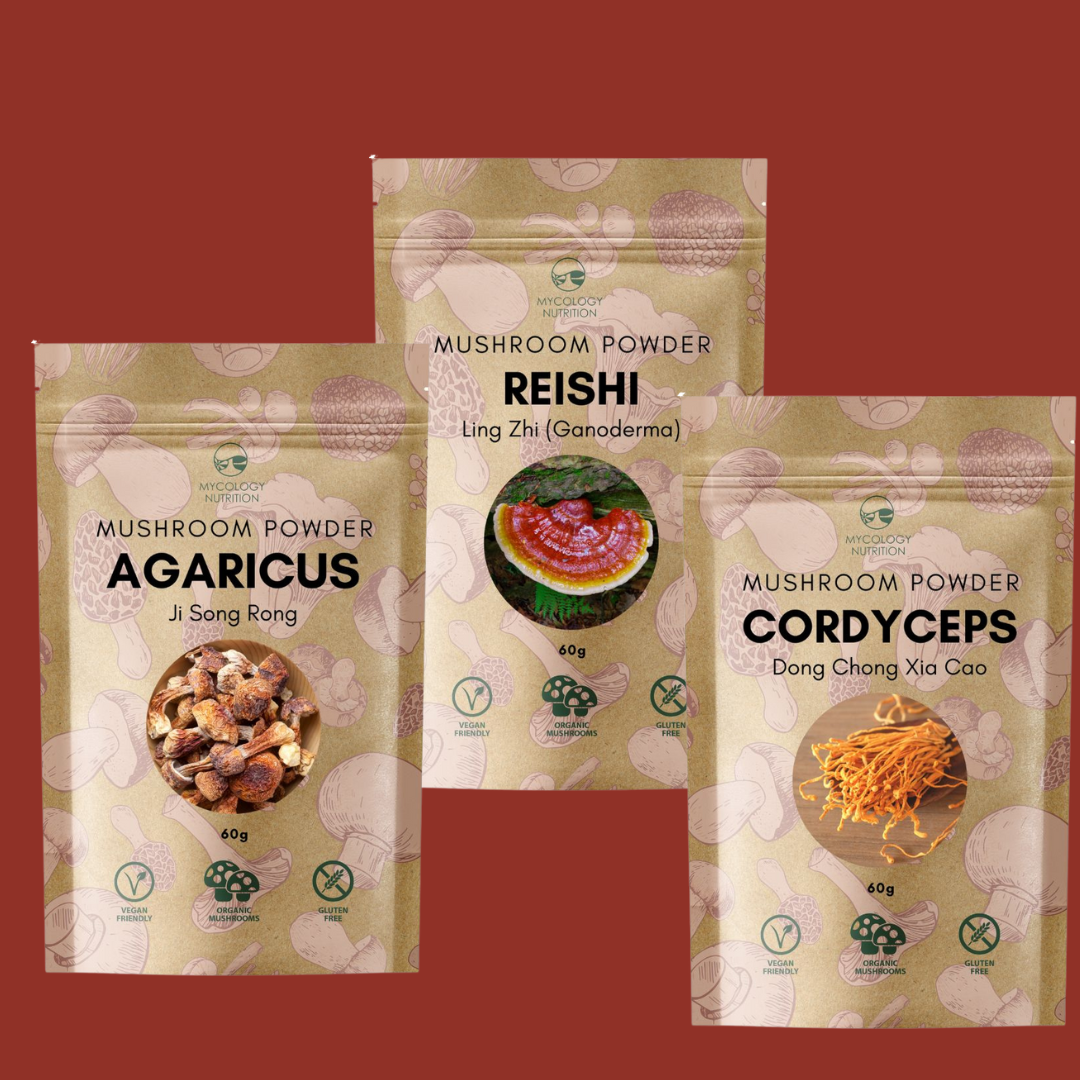
  • Immune Support: Mushrooms such as reishi and cordyceps enhance resilience against illness.

By combining TCM wisdom with evidence-based supplements, individuals can maintain robust health while honouring the One Health principle of interconnected wellbeing.

ethical brands

A Call to Action

One Health Day is not just for scientists and policymakers—it’s for everyone. Whether you’re a healthcare professional, a pet owner, a gardener, or simply someone who cares about the planet, you have a role to play.

Here’s how you can get involved:
  • Educate Yourself: Learn about zoonotic diseases, sustainable farming, and holistic health practices.
  • Support Ethical Brands: Choose products that prioritise animal welfare and environmental sustainability.
  • Practice Preventive Health: Adopt lifestyle habits that reduce your risk of illness and support long-term wellbeing.
  • Engage in Community Events: Attend webinars, workshops, or local initiatives that promote One Health awareness.
human and animal beach

Final Thoughts

As we face increasingly complex health challenges, One Health Day reminds us that the solutions lie not in isolation, but in integration. By embracing a holistic view of health—one that includes humans, animals, and the environment—we can build a more resilient, compassionate, and sustainable future.

Traditional Chinese Medicine, with its emphasis on balance and harmony, offers valuable tools for this journey. And with resources like Phoenix TCM, Aura Nutrition, and Phoenix Medical, individuals and practitioners alike can access the support they need to thrive.

So this 3rd November, let’s celebrate One Health Day not just as an event, but as a mindset. Because when we protect one domain of health, we help protect them all.

children and sheep

FAQ

  1. What is One Health Day and why is it celebrated on 3rd November?

One Health Day was launched in 2016 by the One Health Commission to promote awareness of the interconnectedness between human, animal, and environmental health. It’s celebrated globally on 3rd November to encourage collaboration across disciplines and address shared health challenges like zoonotic diseases, antimicrobial resistance, and climate change.

  1. Who celebrates One Health Day and where?

One Health Day is recognised by scientists, veterinarians, public health experts, environmentalists, and educators worldwide. Events take place in over 100 countries, including academic conferences, community workshops, and youth-led initiatives in places like the UK, US, India, and Kenya.

  1. Why is One Health important today?

With rising threats like pandemics, climate change, and food insecurity, One Health offers a holistic framework for prevention and resilience. It emphasises that protecting animal and environmental health directly benefits human wellbeing, making it essential for sustainable global health strategies.

  1. How does Traditional Chinese Medicine (TCM) support the One Health approach?

TCM promotes balance between body and environment, aligning with One Health principles. It offers preventive care, herbal remedies, and seasonal lifestyle guidance that respect nature’s rhythms. Ethical sourcing and plant-based treatments also support animal welfare and sustainability.

  1. Where can I find TCM products and supplements that support holistic health?

Trusted UK-based platforms like phoenixtcm.org.uk, auranutrition.co.uk, and phoenixmedical.com offer vegan-friendly supplements, herbal formulas, and TCM tools that support immunity, digestion, and energy—key pillars of One Health living.