


As fireworks crackle and bonfires blaze across the UK on Guy Fawkes Night, we’re reminded of the power and spectacle of fire. But beyond the sparklers and skybursts, Traditional Chinese Medicine (TCM) invites us to reflect on a deeper flame—the internal fire that governs our joy, circulation, and emotional wellbeing. This November, let’s explore how the Fire element in TCM can illuminate our understanding of health, balance, and seasonal celebration.
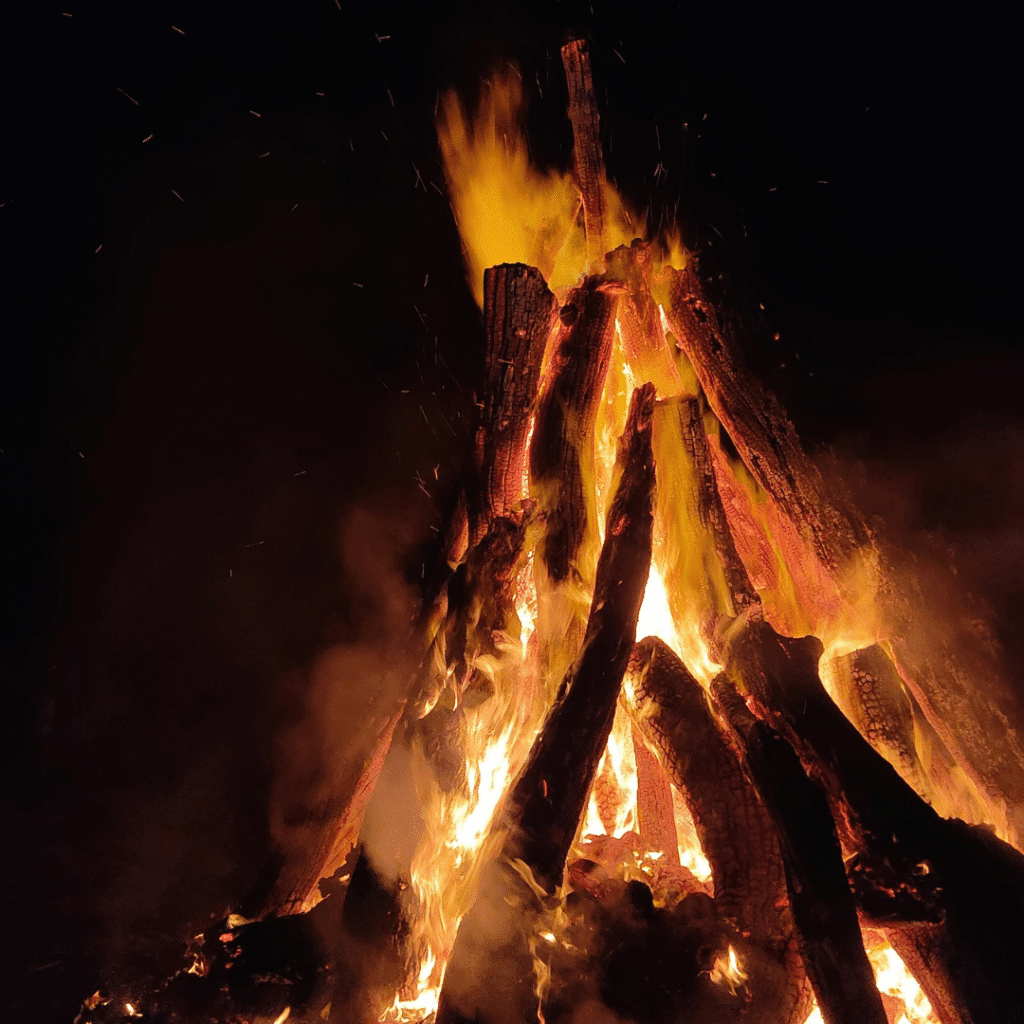
Guy Fawkes Night: A Celebration of Fire and Transformation
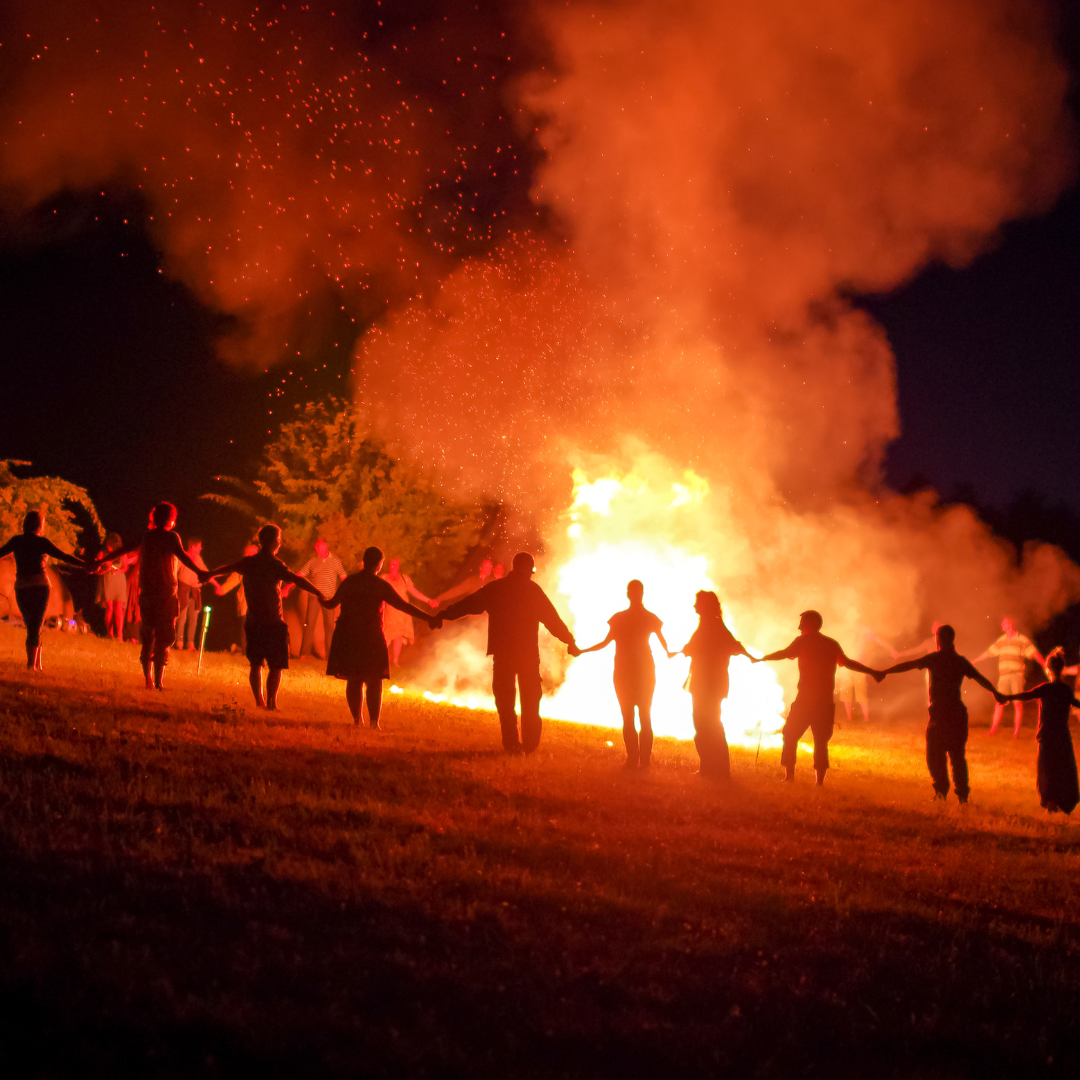
Every 5th of November, we gather to commemorate the foiled Gunpowder Plot of 1605 with bonfires, fireworks, and effigies of Guy Fawkes. It’s a night of spectacle, rebellion, and remembrance—where fire becomes both symbol and celebration. The roaring flames and dazzling displays evoke excitement, warmth, and communal joy.
In TCM, fire holds similar symbolic weight. It represents transformation, passion, and connection. But unlike the fleeting blaze of a firework, the Fire element in Chinese medicine is a steady internal force—governing the heart, small intestine, pericardium, and San Jiao (Triple Burner). It’s the most yang of the Five Elements, associated with summer, heat, and the emotion of joy.
So while Bonfire Night celebrates external fire, TCM encourages us to tend to our internal flame—ensuring it burns bright but not out of control.
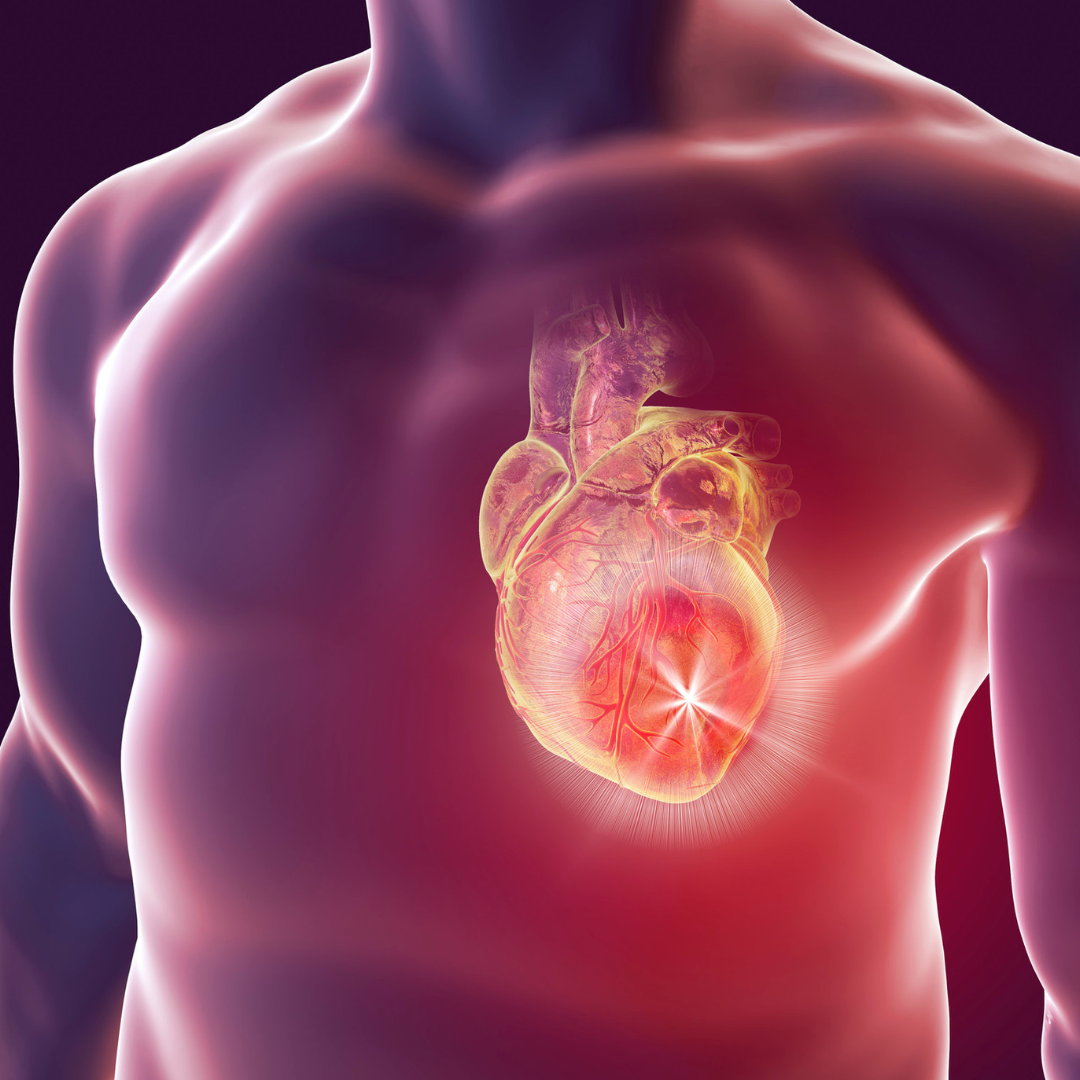
The Heart of the Matter: Fire Element and Emotional Vitality
In TCM, the heart is known as the “Emperor” of the organs. It governs blood circulation and houses the Shen—our spirit, consciousness, and emotional clarity. When the Fire element is balanced, we experience joy, enthusiasm, and meaningful connection. Our eyes sparkle, our laughter flows freely, and our relationships thrive.
But when Fire becomes excessive—whether through stress, overstimulation, or unresolved emotions—it can lead to anxiety, restlessness, insomnia, and even palpitations. Just as a bonfire can become dangerous if left unchecked, our internal fire needs boundaries and balance.
Signs of Fire imbalance include:
- Racing thoughts or difficulty sleeping
- Excessive sweating or flushed complexion
- Irritability or emotional volatility
- Heart palpitations or chest tightness
These symptoms are your body’s way of signalling that the Fire element may be burning too hot.
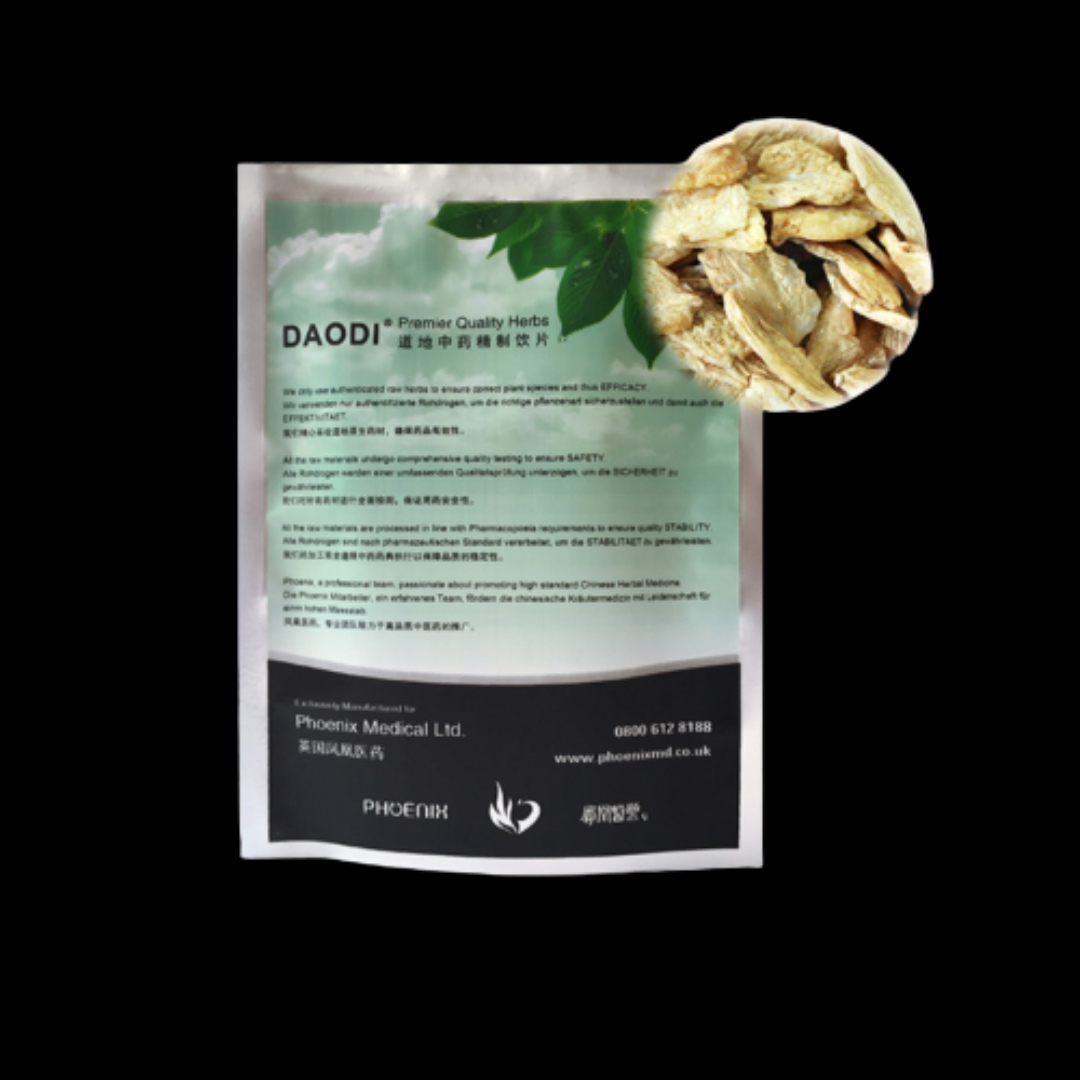
Balancing the Blaze: Calming the Fire Within
So how do we keep our internal fire from turning into an emotional inferno? TCM offers a range of tools—from herbal formulas to acupuncture points—that help cool excess heat and restore harmony.
Herbal allies for calming Fire:
- Sheng Di Huang (Rehmannia Root): Nourishes yin and cools the blood, ideal for heat-related symptoms.
- Lian Zi Xin (Lotus Plumule): Targets heart fire and helps with insomnia and anxiety.
- Zhi Zi (Gardenia Fruit): Clears heat and soothes irritability.
- Mai Men Dong (Ophiopogon Root): Moistens the lungs and heart, calming restlessness.
These herbs are often combined in formulas like Tian Wang Bu Xin Dan or Huang Lian E Jiao Tang, which are prescribed based on individual constitution and symptoms. Always consult a qualified TCM practitioner before starting herbal therapy.
Acupuncture points to cool the fire:
- HT7 (Shenmen): Calms the mind and regulates heart rhythm.
- PC6 (Neiguan): Eases anxiety, nausea, and chest discomfort.
- Yin Tang: Located between the eyebrows, this point soothes the Shen and promotes relaxation.
- KD3 (Taixi): Strengthens kidney yin to balance heart fire.
These points help redirect excess yang energy, grounding the spirit and restoring emotional equilibrium.
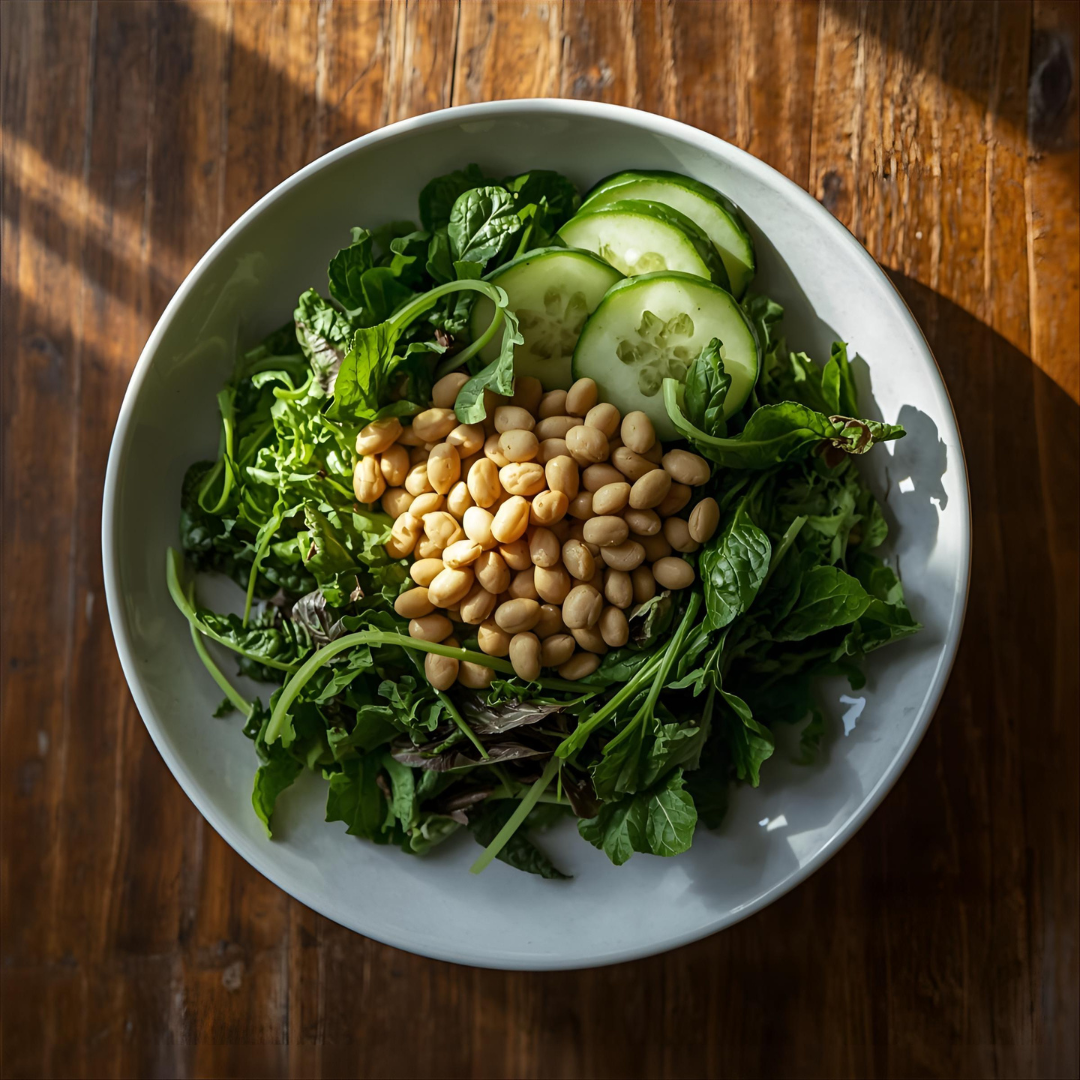
Seasonal Fire vs Internal Fire: A Delicate Dance
Bonfire Night is a sensory feast—bright lights, loud bangs, and communal cheer. It’s exhilarating, but also energetically intense. For those with a sensitive constitution or existing Fire imbalance, the stimulation can be overwhelming.
TCM teaches us to observe how external environments affect our internal state. Just as we dress warmly to protect against November’s chill, we must also shield our Shen from emotional overstimulation.
Tips for managing seasonal fire:
- Create quiet rituals: After the festivities, wind down with a warm bath, herbal tea, or gentle meditation.
- Limit screen time: The visual stimulation of fireworks can linger—give your eyes and mind a break.
- Eat cooling foods: Incorporate bitter greens, cucumber, and mung beans to counteract heat.
- Stay hydrated: Fire dries fluids—drink warm water or chrysanthemum tea to replenish.
These simple practices help you enjoy the celebration without igniting internal chaos.
Joy as Medicine: Embracing the Spirit of Fire
Despite its potential for imbalance, Fire is also the source of our greatest vitality. It’s the spark of creativity, the warmth of connection, and the glow of purpose. In TCM, joy is not just an emotion—it’s a healing force.
Guy Fawkes Night, with its communal laughter and shared awe, is a beautiful expression of Fire’s positive power. It reminds us that joy, when cultivated mindfully, can nourish the heart and uplift the Shen.
Ways to cultivate healthy joy:
- Connect with loved ones: Share stories, meals, and laughter.
- Express yourself: Dance, sing, write—let your inner flame shine.
- Practice gratitude: Reflect on what brings warmth to your life.
- Volunteer or give back: Fire thrives on connection—spread your light to others.
By embracing joy as medicine, we honour the Fire element and keep our inner flame burning bright.

A Bonfire Ritual for Inner Peace
Why not create a personal ritual that blends the symbolism of Bonfire Night with TCM wisdom? Here’s a simple one to try:
- Write down what you wish to release—stress, fear, or emotional clutter.
- Light a candle and sit quietly, breathing deeply.
- Read your list aloud, acknowledging each item with compassion.
- Burn the paper safely (or tear it up) as a symbolic act of letting go.
- Close with a cup of calming tea—like chamomile, rose, or lotus leaf.
This ritual channels the transformative power of fire into emotional healing and renewal.
Conclusion: Tending the Flame with Wisdom
As Guy Fawkes Night lights up the November sky, let it also illuminate your inner world. The Fire element in TCM teaches us that joy, connection, and vitality are essential—but only when balanced with rest, reflection, and care.
So this Bonfire Night, celebrate with heart. Watch the fireworks, feel the warmth, and then turn inward. Tend your flame with wisdom, and let it guide you through the season with clarity, compassion, and radiant health.

FAQ
1. What does the Fire element represent in Traditional Chinese Medicine (TCM)?
In TCM, the Fire element is associated with the heart, small intestine, pericardium, and San Jiao (Triple Burner). It governs joy, emotional expression, circulation, and spiritual vitality. Fire is the most yang of the Five Elements, symbolising warmth, passion, and transformation.
2. How does Bonfire Night relate to the Fire element in TCM?
Bonfire Night celebrates external fire through fireworks and flames, evoking excitement and communal joy. TCM uses this seasonal symbolism to reflect on internal fire—our emotional warmth, heart health, and energetic balance. The contrast helps us explore how external stimulation can affect our internal state.
3. What are signs of an imbalanced Fire element?
Excess Fire can manifest as anxiety, insomnia, irritability, palpitations, flushed complexion, or restlessness. Deficient Fire may lead to emotional coldness, fatigue, or poor circulation. TCM aims to balance Fire through herbs, acupuncture, and lifestyle adjustments.
4. Which TCM herbs help calm excess internal Fire?
Herbs like Sheng Di Huang (Rehmannia), Lian Zi Xin (Lotus Plumule), Zhi Zi (Gardenia Fruit), and Mai Men Dong (Ophiopogon) are commonly used to cool heat, nourish yin, and soothe the Shen (spirit). These are often included in formulas tailored to individual needs.
5. Can acupuncture help with Fire-related imbalances like anxiety or insomnia?
Yes. Acupuncture points such as HT7 (Shenmen), PC6 (Neiguan), Yin Tang, and KD3 (Taixi) are used to calm the mind, regulate heart qi, and balance yin and yang. These treatments can be especially helpful during emotionally charged times like Bonfire Night.