


Qixi Festival: Love, Legend, and the Wisdom of Chinese Medicine
Every year, on the seventh day of the seventh lunar month, China celebrates one of its most romantic and culturally rich festivals: Qixi Festival (七夕节, Qīxījié). Often referred to as Chinese Valentine’s Day, Qixi is a celebration of enduring love, celestial reunion, and heartfelt wishes. But beyond the flowers and chocolates, this ancient festival offers profound insights into Chinese philosophy, mythology, and Traditional Chinese Medicine (TCM).
In this blog, we’ll explore the origins of Qixi, how it’s celebrated today, and how its themes of love, balance, and connection resonate deeply with the principles of TCM—especially for those seeking holistic wellbeing through organisations like phoenixtcm.org.uk.

Origins of Qixi Festival: A Love Written in the Stars
The Qixi Festival dates back over 2,000 years, with its earliest mention found in the Classic of Poetry, one of China’s oldest literary works. The festival’s roots lie in the legend of Niulang (the cowherd) and Zhinü (the weaver girl)—a tale of forbidden love between a mortal and a celestial being.
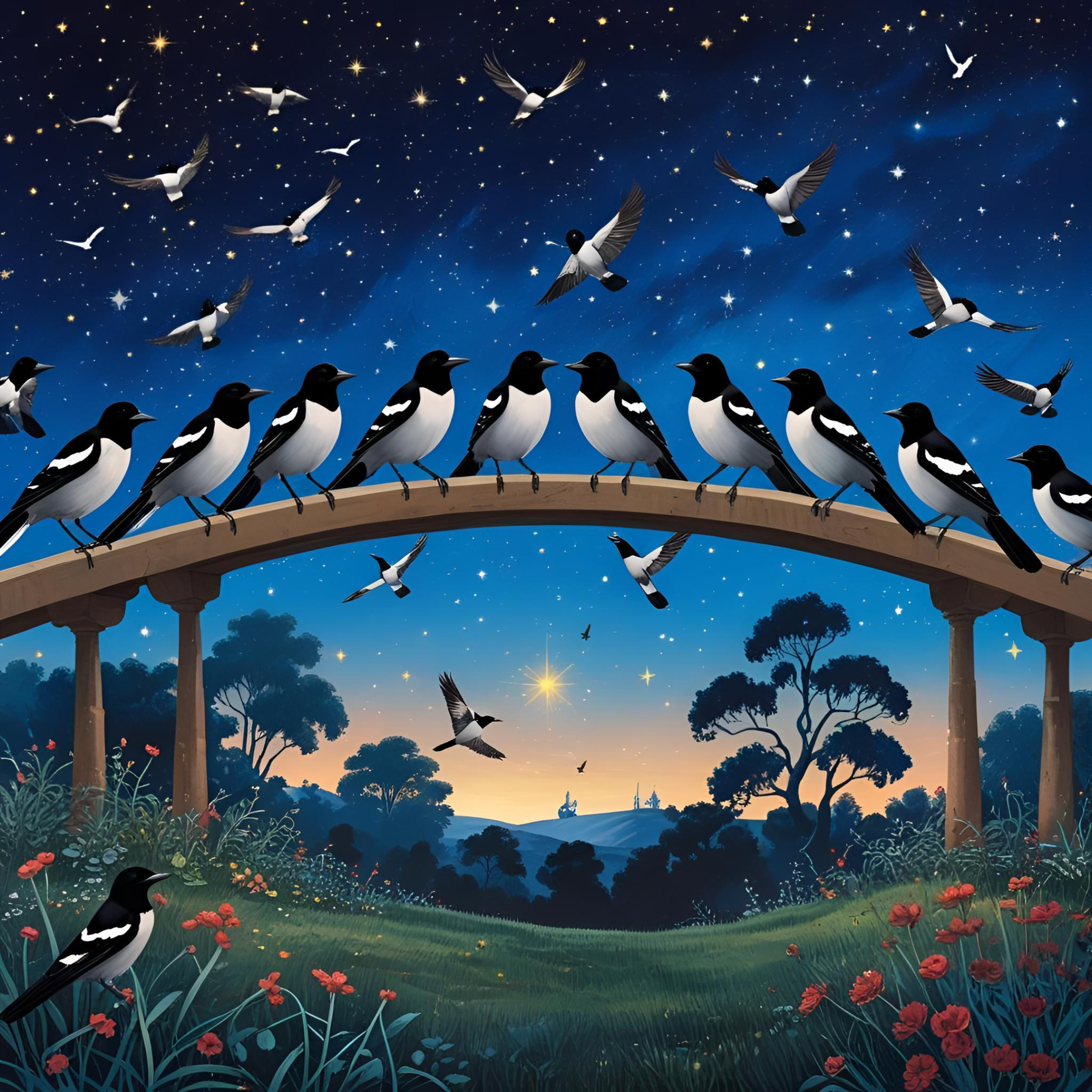
According to myth, Zhinü was a fairy tasked with weaving clouds in heaven. She descended to Earth and fell in love with Niulang, a humble cowherd. They married and lived happily, but their union defied heavenly laws. The Queen Mother of the West separated them by creating the Milky Way, allowing them to reunite only once a year—on the seventh day of the seventh lunar month—when magpies form a bridge across the stars.
This poignant story of love and longing gave birth to Qixi, a festival that honours romantic devotion and the hope of reunion.
When Is Qixi Celebrated?
Qixi follows the Chinese lunar calendar, falling on the seventh day of the seventh lunar month. In 2025, Qixi will be celebrated on Friday, 29 August. While not a public holiday, it remains a cherished occasion, especially among young couples and those who appreciate the deeper cultural symbolism.
Traditional Customs and Modern Celebrations
Historically, Qixi was known as the Qiqiao Festival (乞巧节), meaning “Festival of Pleading for Skill.” Young women would pray to Zhinü for dexterity in needlework—a symbol of domestic talent and marital readiness. Common customs included:
- Threading competitions under moonlight
- Worshipping the Weaver Girl with offerings of tea, fruit, and incense
- Spiderweb divination to predict future skillfulness
- Carving melons into intricate shapes
- Eating Qiaoguo, a sweet fried pastry symbolising ingenuity
Today, Qixi has evolved into a romantic celebration akin to Western Valentine’s Day. Couples exchange gifts, enjoy candlelit dinners, and share heartfelt messages. Brands like Loewe even release themed collections, blending ancient legend with modern fashion.
Qixi and Traditional Chinese Medicine: A Deeper Connection
While Qixi is widely seen as a celebration of love, its symbolism aligns beautifully with the principles of Traditional Chinese Medicine (TCM). At phoenixtcm.org.uk, practitioners understand that love, balance, and emotional harmony are essential to health—and Qixi offers a poetic reminder of this truth.

Yin and Yang: The Lovers as Cosmic Forces
In TCM, Yin and Yang represent complementary forces—dark and light, feminine and masculine, passive and active. The story of Zhinü and Niulang mirrors this duality. Zhinü, the weaver, embodies Yin: grace, creativity, and celestial energy. Niulang, the cowherd, represents Yang: strength, earthiness, and groundedness.
Their separation by the Milky Way and reunion via the Magpie Bridge symbolises the microcosmic orbit in Qigong—a practice where the tongue touches the upper palate to connect the Ren Mai (Conception Vessel) and Du Mai (Governing Vessel), completing the circuit of energy flow.
This energetic bridge is not just metaphorical—it’s a vital pathway in TCM that supports emotional balance, sexual vitality, and spiritual connection.
Herbal Support for Love and Emotional Harmony
TCM offers a range of herbal remedies that support the emotional themes of Qixi:
-
He Huan Pi (Silk Tree Bark):
Known as the “herb of happiness,” it calms the spirit and eases heartbreak.
-
Bai Zi Ren (Biota Seed):
Nourishes the Heart and promotes restful sleep, ideal for those longing for connection.
-
Goji Berries (Gou Qi Zi):
Boosts vitality and supports Liver and Kidney function—key organs in emotional regulation.
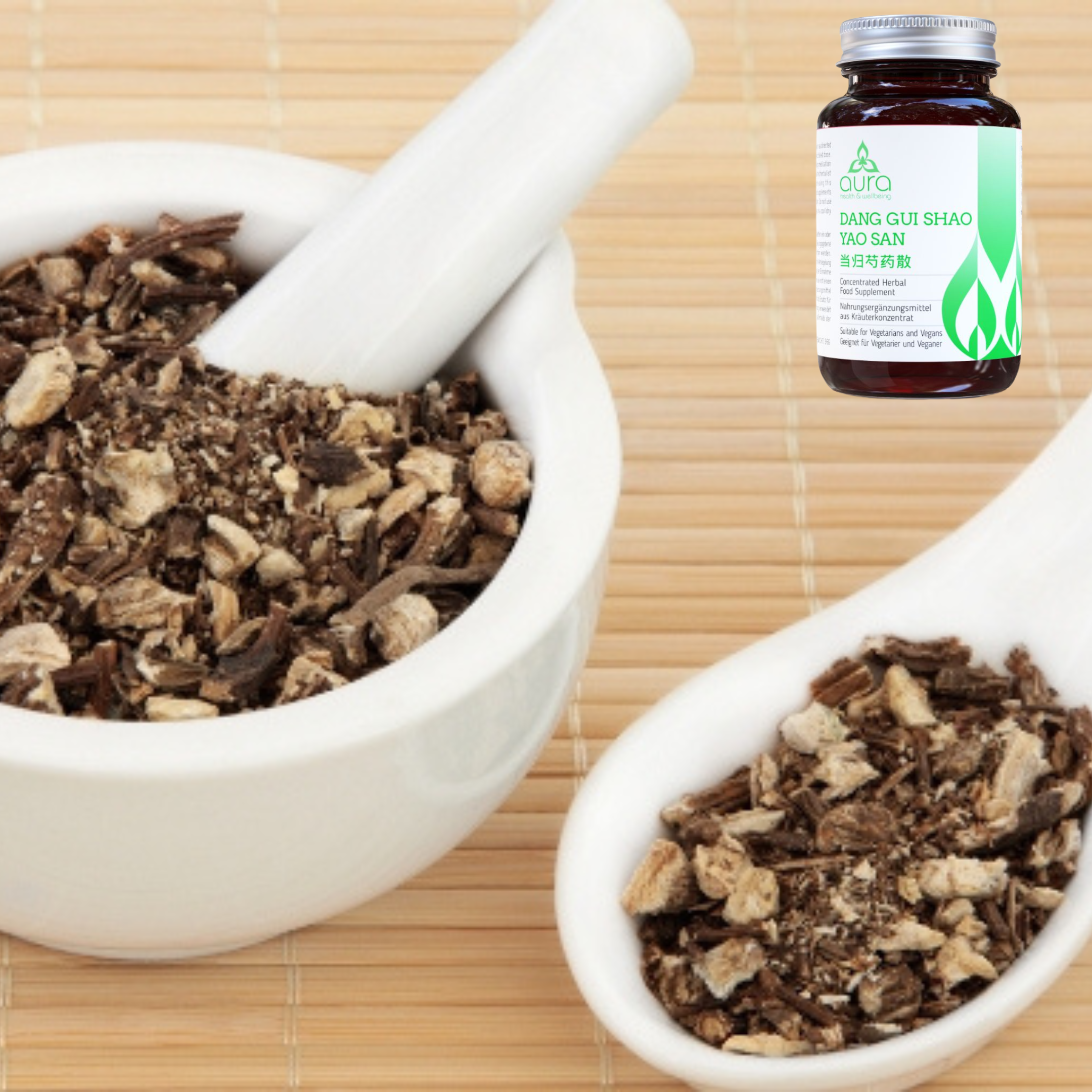
Often used to harmonise blood and support women’s health, reflecting Zhinü’s feminine energy.
These herbs can be incorporated into teas, tinctures, or tonics, and are available through trusted suppliers like Phoenix Medical, the parent organisation of phoenixtcm.org.uk.
Supporting Relationships Through TCM
TCM views relationships as energetic exchanges. When Qi flows freely between partners, harmony prevails. But emotional stagnation, stress, or imbalance can disrupt this flow.
Practices like acupuncture, herbal therapy, and Qigong help restore balance, making space for deeper intimacy and emotional resilience. At phoenixtcm.org.uk, practitioners offer treatments that support:
- Heart Shen (spirit and consciousness)
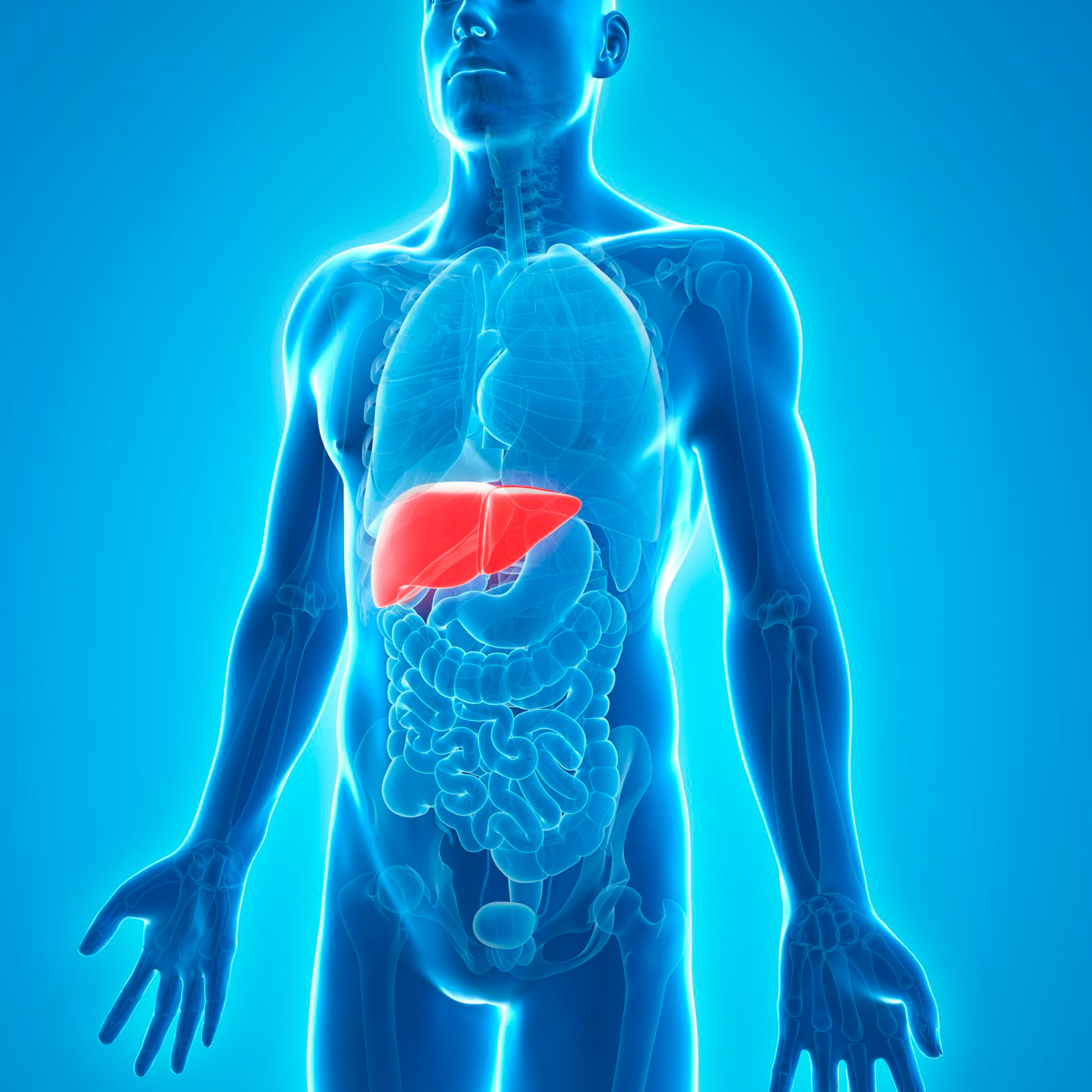
- Liver Qi (emotional flow and expression)
- Kidney Jing (sexual essence and longevity)
These treatments are especially relevant during Qixi, when emotions run high and the desire for connection intensifies.
How to Celebrate Qixi with TCM Rituals
Here are a few ways to honour Qixi through the lens of Traditional Chinese Medicine:
Brew a Heart-Calming Tea
Combine He Huan Pi, Bai Zi Ren, and Goji berries for a soothing infusion that nourishes emotional wellbeing.
Create a Magpie Bridge Meditation
Visualise the lovers meeting across the stars. Place your tongue on the roof of your mouth to connect Yin and Yang channels, completing your microcosmic orbit.
Honour the Weaver Girl
Try a creative activity like embroidery, journaling, or crafting. Channel Zhinü’s spirit of artistry and devotion.
Book a TCM Treatment
Find a qualified TCM practitioner near you.

Final Thoughts: A Festival of Love and Healing
Qixi Festival is more than a romantic holiday—it’s a celebration of connection, balance, and hope. Its ancient legend continues to inspire modern hearts, reminding us that love—like Qi—flows through all things.
By embracing the wisdom of Traditional Chinese Medicine, we can honour Qixi not just with gifts, but with rituals that nourish the soul. Whether through herbs, meditation, or heartfelt intention, this festival offers a beautiful opportunity to align with the rhythms of nature and the pulse of the cosmos.
So this 29 August, light a candle, brew a healing tea, and let the magpies guide your heart across the stars.
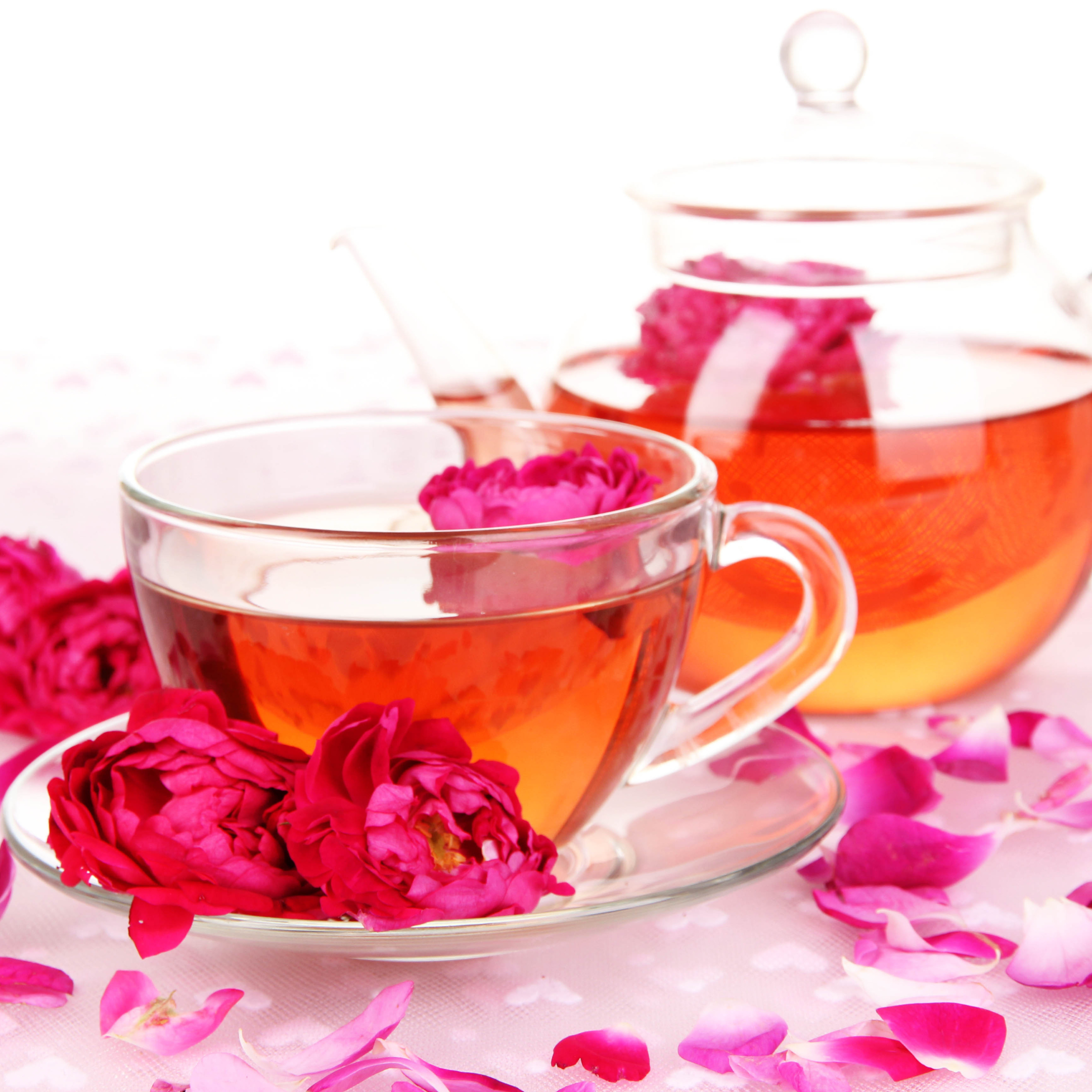
Qixi Herbal Recipe Card: Heart-Calming Tea for Emotional Harmony
Name: Magpie Bridge Infusion
Purpose: To nourish the Heart, calm the Shen (spirit), and support emotional balance during Qixi Festival.
Ingredients:
- He Huan Pi (Silk Tree Bark) – 3g
Calms the spirit, eases emotional tension, and promotes joy. - Bai Zi Ren (Biota Seed) – 5g
Nourishes Heart Yin, supports restful sleep, and soothes anxiety. - Goji Berries (Gou Qi Zi) – 10g
Boosts vitality, supports Liver and Kidney function, and enhances mood. - Rose Petals (Mei Gui Hua) – 2g (optional)
Opens the Heart, promotes circulation, and adds a romantic floral note.
Instructions:
- Rinse herbs gently under cool water.
- Place all ingredients in a teapot or infuser.
- Add 500ml of freshly boiled water.
- Steep for 10–15 minutes, covered.
- Strain and enjoy warm. Best sipped in a quiet space or shared with a loved one.
Suggested Use:
Drink in the evening on Qixi Festival to reflect on love, connection, and emotional wellbeing. Pairs beautifully with journaling or meditation.

Qixi Meditation Guide: Magpie Bridge Visualisation
Name: Reunion Across the Stars
Purpose: To harmonise Yin and Yang energies, calm the mind, and honour the legend of Niulang and Zhinü.
Preparation:
- Find a quiet space with soft lighting.
- Sit comfortably with your spine upright.
- Optionally light a candle or burn gentle incense (e.g., sandalwood or rose).
Meditation Steps:
-
Grounding Breath
Close your eyes. Inhale deeply through the nose for 4 counts, hold for 2, exhale slowly through the mouth for 6. Repeat 3 times.
-
Tongue Connection
Place the tip of your tongue gently on the roof of your mouth—this connects the Ren and Du meridians, completing your microcosmic orbit.
-
Visualise the Lovers
Imagine a starry sky above. See Niulang and Zhinü standing on opposite sides of the Milky Way. A bridge of magpies begins to form, feather by feather, glowing with light.
-
Emotional Reflection
As the lovers meet, reflect on your own relationships—romantic, familial, or spiritual. What bridges have you built? What connections do you cherish?
-
Qi Flow Awareness
Feel a gentle warmth rising from your lower abdomen (Dantian), flowing up your spine, over your head, and down the front of your body. Let this energy circulate peacefully.
-
Closing Intention
Whisper a quiet intention: “May love flow freely. May my heart remain open. May I honour connection in all its forms.”
-
Return
Slowly open your eyes. Stretch gently. Sip your herbal tea to complete the ritual.
FAQ
- What is the Qixi Festival and when is it celebrated?
Qixi Festival, also known as Chinese Valentine’s Day, is celebrated on the seventh day of the seventh lunar month. In 2025, it falls on Friday, 29 August. It commemorates the legendary love story of Niulang and Zhinü, who are allowed to reunite once a year across the Milky Way.
- How is Qixi traditionally celebrated in China?
Historically, young women prayed for skill in needlework and domestic arts, while modern celebrations focus on romantic gestures such as gift-giving, dinners, and sharing heartfelt messages. Traditional customs include carving melons, making sweet pastries, and stargazing.
- What does Qixi have to do with Traditional Chinese Medicine (TCM)?
Qixi’s themes of love, balance, and emotional connection align with TCM principles such as Yin-Yang harmony and Qi flow. The story of the lovers symbolises energetic duality, and TCM offers herbal remedies and practices to support emotional wellbeing during this time.
- Which Chinese herbs are recommended for emotional balance during Qixi?
Herbs such as He Huan Pi (Silk Tree Bark), Bai Zi Ren (Biota Seed), Goji Berries (Gou Qi Zi), and Dang Gui (Angelica Sinensis) are commonly used to calm the spirit, nourish the Heart, and support emotional resilience.
- How can I celebrate Qixi in a holistic way through TCM?
You can explore acupuncture, herbal consultations, and Qigong classes offered by Phoenix TCM practitioners. You might also brew a heart-calming tea, practise a Magpie Bridge meditation, or reflect on your relationships through journaling and creative rituals.