

Resilience, Serendipity, and Love: Celebrating 18 August with Chinese Herbal Wisdom
Today, 18 August, is a day rich with meaning and emotion. It’s World Never Give Up Day, Serendipity Day, and USA National Couples Day—three celebrations that honour the human spirit, the beauty of chance, and the power of connection. But what if we could support these themes not just with reflection, but with ancient remedies that nourish body and soul?
Enter Traditional Chinese Medicine (TCM)—a centuries-old system that offers herbal allies for resilience, emotional harmony, and romantic vitality. Let’s explore how these three commemorations can be enhanced through the gentle, grounding power of Chinese herbal medicine.
World Never Give Up Day: Strengthening Resilience with Adaptogens
Founded in 2019 by Alain Horoit, World Never Give Up Day is a global celebration of perseverance. It honours those who keep going despite setbacks, and encourages us all to tap into our inner strength.
In TCM, resilience is not just mental—it’s physical and energetic. Stress, fatigue, and emotional strain can deplete our Qi (vital energy), making it harder to stay the course. Fortunately, Chinese herbal medicine offers adaptogens—herbs that help the body adapt to stress and restore balance.
Herbal Allies for Resilience:
-
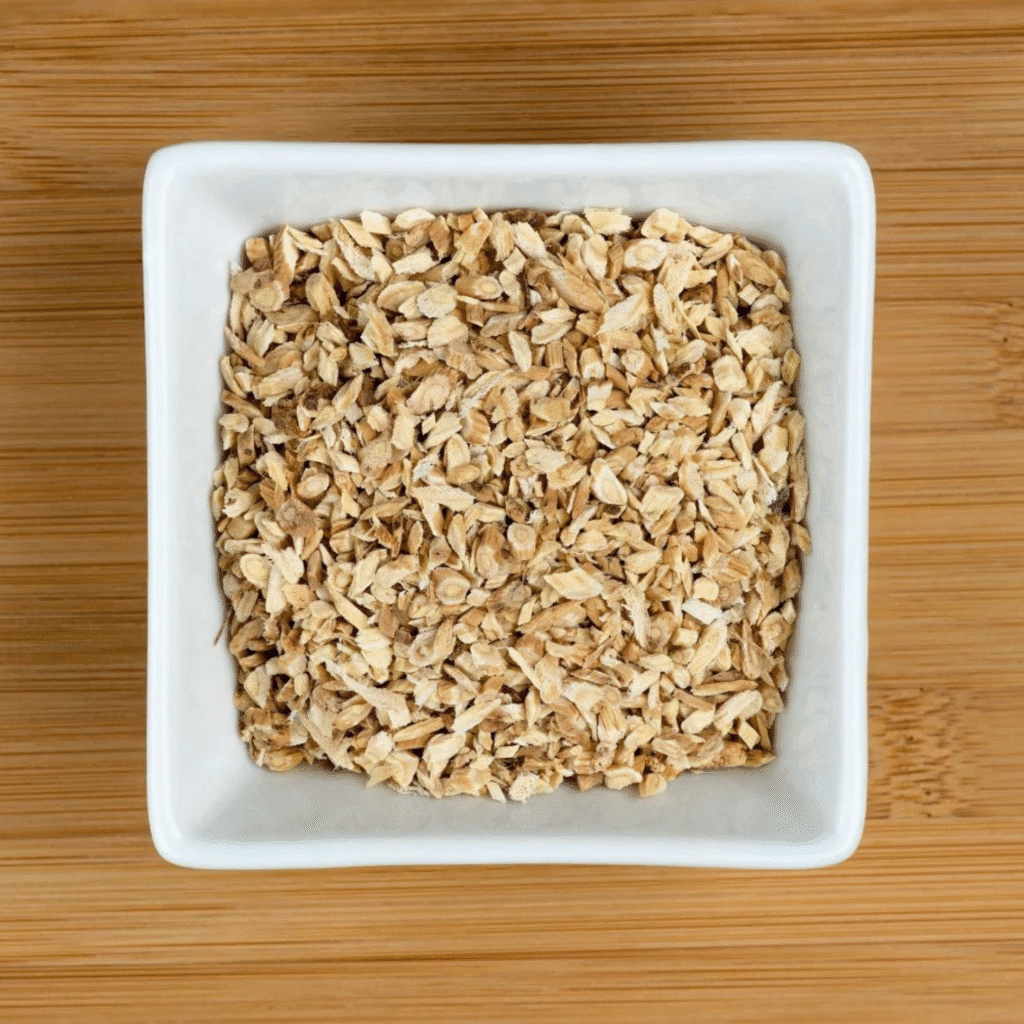
Ginseng (Ren Shen):
Known as the “King of Adaptogens,” it boosts stamina, sharpens focus, and regulates stress hormones like cortisol.
-
Astragalus (Huang Qi):
Strengthens immunity and energy levels, helping the body resist physical and emotional stress.
-
Schisandra Berry (Wu Wei Zi):
Enhances endurance and calms the nervous system, making it ideal for those feeling overwhelmed.
-
Jujube (Da Zao):
A calming red date that supports restful sleep and soothes anxiety.
These herbs can be taken as teas, powders, or capsules, and are often combined in formulas tailored to individual needs. On Never Give Up Day, they remind us that resilience is not just a mindset—it’s a practice.
Serendipity Day: Embracing Joy and Flow with Herbal Harmony
Serendipity Day, founded by Madeleine Kay, celebrates life’s happy accidents and unexpected blessings. It’s a day to be open to surprise, to say “yes” to the unknown, and to trust that the universe has delightful plans in store.
In TCM, serendipity aligns with the concept of flow—the smooth movement of Qi through the body and life. When Qi is blocked, we feel stuck. When it flows freely, we’re more likely to experience joy, spontaneity, and emotional clarity.
Herbs to Invite Serendipity:
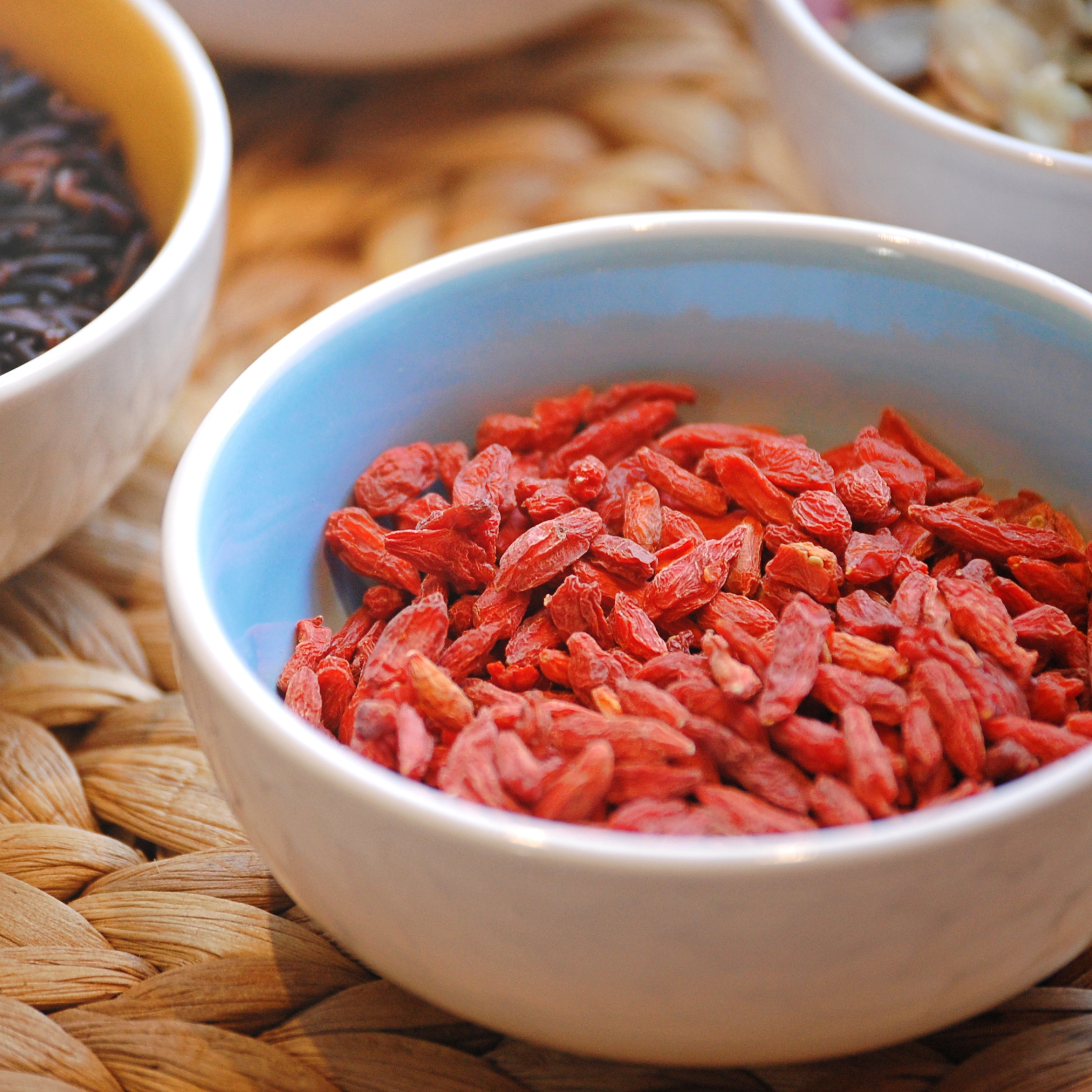
These antioxidant-rich berries promote calmness, improve sleep, and support emotional well-being.
-
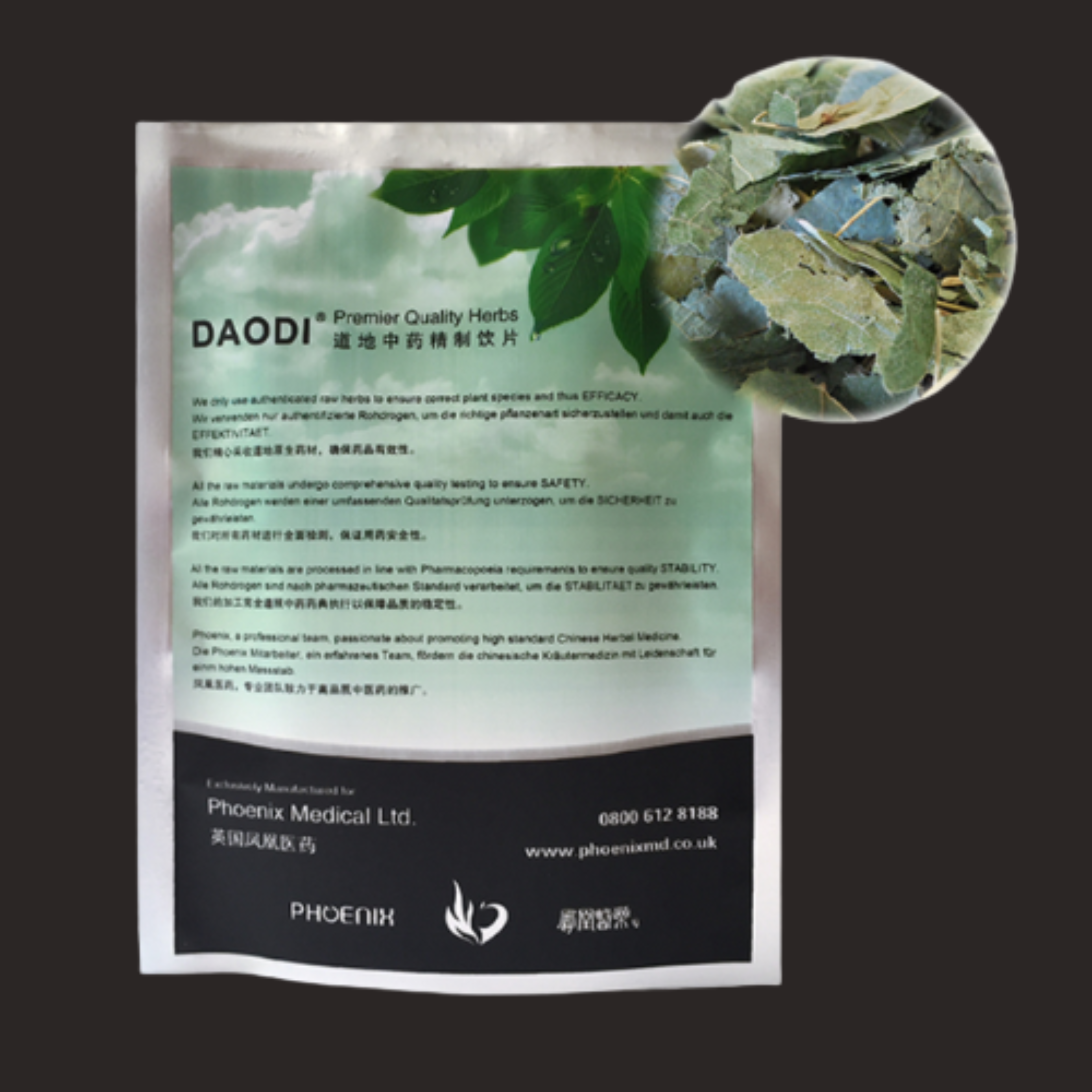
He Huan Pi (Silk Tree Bark):
Known as the “herb of happiness,” it lifts the spirit and helps release emotional pain.
-
Suan Zao Ren (Ziziphus Seed):
Calms the mind and supports restful sleep, making space for intuitive insights and peaceful reflection.
On Serendipity Day, consider brewing a tea with Goji berries and He Huan Pi, then taking a walk without a destination. Let the herbs and the moment guide you.
USA National Couples Day: Nourishing Love with Herbal Intimacy
National Couples Day is a celebration of romantic relationships—the shared laughter, the quiet support, and the enduring bond between partners. But love, like health, needs tending.
TCM views romantic vitality as a balance of Heart Shen (spirit), Kidney Jing (essence), and Liver Qi (emotional flow). When these energies are depleted, intimacy suffers. Herbal medicine offers gentle support for both emotional connection and physical desire.
Herbs to Support Love and Connection:
Also known as “Horny Goat Weed,” it invigorates Kidney Yang and enhances libido.
-
Cistanche (Rou Cong Rong):
Strengthens essence and improves stamina, ideal for rekindling passion.
-
Dodder Seed (Tu Si Zi):
Balances Yin-Yang energy and supports reproductive health.
-
Bai Zi Ren (Biota Seed):
Nourishes the Heart and eases emotional restlessness, fostering deeper connection.
These herbs can be used in teas, tinctures, or even romantic herbal baths. On Couples Day, they invite us to nurture both body and heart.

Is It Always Worth It to Never Give Up?
“Never give up” is a powerful mantra—but is it always wise?
TCM teaches that balance is key. Persisting through hardship can build character, but clinging to a path that harms your health or no longer aligns with your values may lead to imbalance. Knowing when to pivot is a form of wisdom.
When to Persist:
- When the goal brings joy and meaning
- When the struggle is temporary and growth-promoting
- When support systems are in place
When to Let Go:
- When the pursuit causes chronic stress or illness
- When the goal no longer reflects who you are
- When continuing would mean sacrificing something more important
Chinese herbal medicine supports both paths—offering strength when you need to push forward, and calm when it’s time to release.

Finding Strength Through Herbal Rituals
So how can we incorporate Chinese herbal medicine into our lives today?
-
Morning Ritual:
Start with a Ginseng and Astragalus tea to energise your body and mind.
-
Midday Pause:
Brew Goji berries and Schisandra for emotional clarity and serendipitous insight.
-
Evening Connection:
Share a warm infusion of Epimedium and Bai Zi Ren with your partner to foster intimacy and relaxation.
-
Reflection Practice:
Journal with He Huan Pi tea by your side, inviting joy and emotional release.
These small rituals can transform your day from routine to sacred—aligning your body, mind, and spirit with the themes of resilience, serendipity, and love.

Final Thoughts: A Day of Holistic Celebration
On this 18 August, let’s celebrate not just with words, but with actions that nourish us deeply. Whether you’re recommitting to a goal, embracing a chance encounter, or cherishing a relationship, Chinese herbal medicine offers a gentle, grounded way to support your journey.
World Never Give Up Day reminds us to persist.
Serendipity Day invites us to be surprised.
National Couples Day encourages us to love deeply.
Chinese herbal medicine helps us do all three—with grace, vitality, and balance.
So brew a cup, take a breath, and let today be a celebration of everything that makes life rich, unpredictable, and worth living.
FAQ
-
- How does Chinese herbal medicine support resilience on World Never Give Up Day?
Herbs like Ginseng, Astragalus, and Schisandra help the body adapt to stress, boost energy, and calm the nervous system—making it easier to stay strong and focused.
- Can Chinese herbs enhance emotional openness for Serendipity Day?
Yes! Herbs like Goji berries, He Huan Pi, and Suan Zao Ren promote emotional clarity, relaxation, and joy—ideal for embracing spontaneity and unexpected blessings.
- Are there herbs that support romantic connection on National Couples Day?
Absolutely. Epimedium, Cistanche, and Bai Zi Ren are used in TCM to enhance intimacy, nourish emotional bonds, and support reproductive health.
- Is Chinese herbal medicine safe for daily use?
When used appropriately and sourced from reputable providers, many Chinese herbs are safe for daily use. It’s best to consult a qualified practitioner for personalised guidance.
- How can I incorporate these herbs into my daily routine?
You can brew herbal teas, take tinctures or capsules, or create rituals like morning energising infusions or evening calming blends. Even simple practices can have a profound impact.