

Ask anyone who grew up in a Chinese household what to eat when it turns cold and you’ll get an answer before you’ve finished the question. Soup. Ginger. Definitely not an iced smoothie.
That instinct comes from Chinese food therapy, which is one of the oldest bits of the whole tradition and, honestly, one of the easiest to use. You don’t need a single herb from a dispensary to get started. Just a kitchen and a bit of curiosity.
What is Chinese food therapy?
In a sentence: it’s the idea that every food has a nature, warming or cooling or somewhere in between, and that you can eat with the season to keep yourself in balance.
It’s called shi liao in Chinese. The physician Sun Simiao, writing in the Tang dynasty, put food first and medicine second. Practitioners have been quoting him on it for well over a thousand years.
食疗不愈,然后命药
“Once you know what is wrong, treat it with food. Only when food fails should you turn to medicine.”
Sun Simiao · Bei Ji Qian Jin Yao FangWe love that. It’s modest, practical advice from someone who could have prescribed anything he liked.
Warming, neutral and cooling foods
Here’s the bit people find surprising. It isn’t about the temperature on the plate. A cold slice of roast lamb still counts as warming, while a hot bowl of cucumber soup (if anyone makes that) would still be cooling.
Lean on these
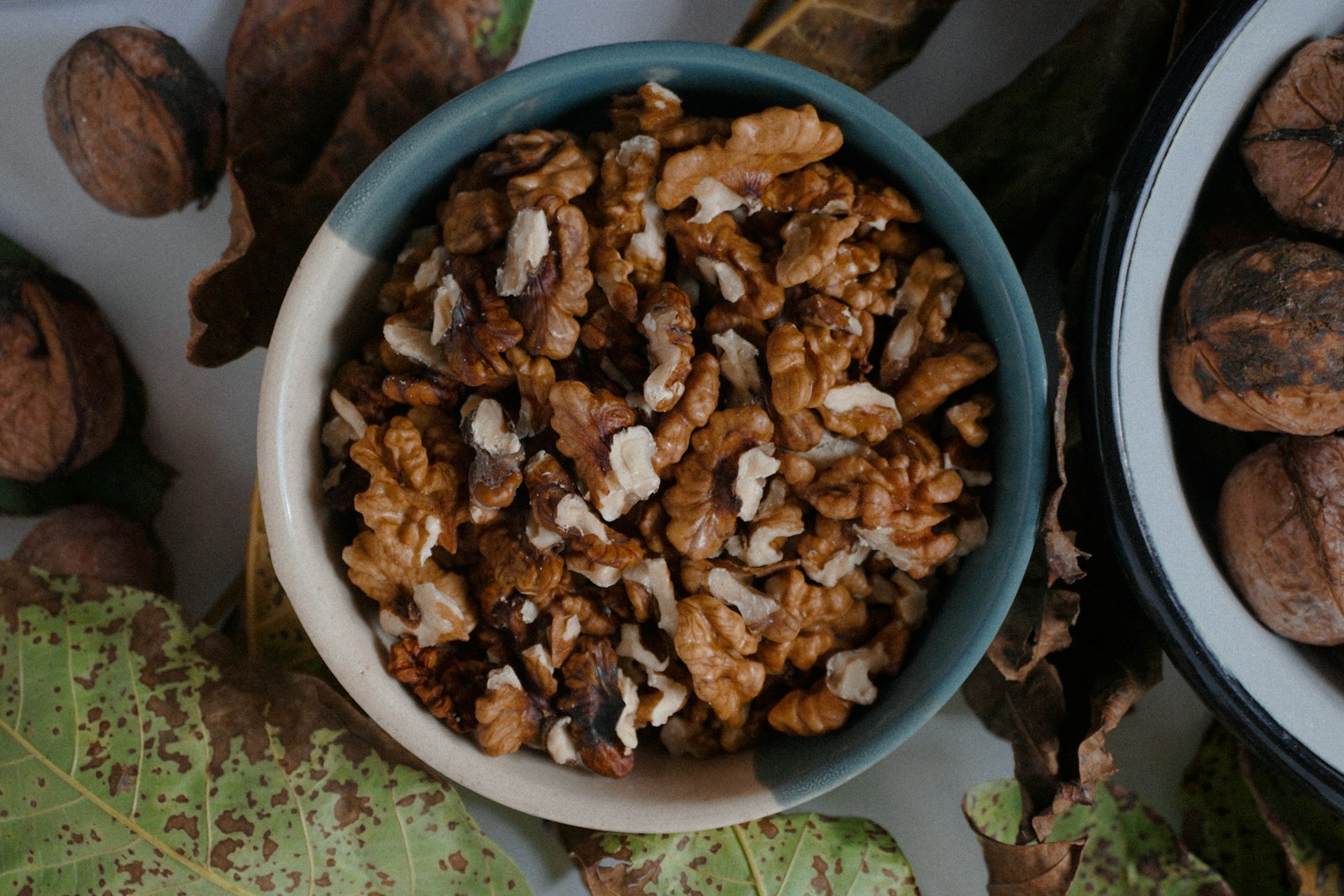
Ginger, cinnamon, leeks and spring onions. Lamb, walnuts and chestnuts too.
Everyday base
Rice, Chinese yam, carrots and most root veg. Good any time of year.
Go easy in winter
Cucumber, watermelon and raw salads. Mung beans too. Lovely in August, less so now.
Chinese medicine ties winter to the Kidney, and the old texts pair the Kidney with the colour black, so dark foods get a lot of love this time of year. Black sesame, black beans and walnuts turn up all over winter cooking. Nobody’s saying you have to bin the salad drawer until March. It’s about tipping the balance a little.
Why winter suits warm, slow food
Think of your stomach as a pot on the hob. In Chinese medicine the Spleen’s the flame underneath. Pile in cold, raw food and that flame has to work harder. Which is why someone living on cold sandwiches and iced coffee all November might feel bloated and sluggish, and a practitioner wouldn’t be at all surprised.
Slow cooking does some of the work for you. Long-simmered soups, stews and porridges are easy to digest, they’re cheap, and frankly they’re just nicer to eat when it’s grim outside.
A simple winter congee
Congee is rice porridge, slow cooked until it goes soft and silky. It’s what a lot of Chinese grandmothers make when someone’s feeling under the weather, and it’s a lovely way into food therapy. Ours goes roughly like this:
- One cup of white rice
- About eight cups of water
- A few slices of fresh ginger
- Four or five red dates (hong zao)
- A handful of dried Chinese yam, or shan yao
- Goji, maybe a tablespoon
Rinse the rice, then pop everything except the goji into a big pan. Bring it up to the boil and let it bubble away gently with the lid half on for an hour or so, giving it a stir now and then so it doesn’t catch. The goji goes in for the last ten minutes. Too thick? Add water. Some people like it savoury with a splash of soy and spring onions on top instead, which works just as well.
Can’t find dried yam or red dates in your local supermarket? Our sister company Vita Herbal Nutrition stocks a whole range of DaoDi culinary herbs, including red dates, goji and Chinese yam, all grown in their traditional regions.
One thing before you get the goji out. If you’re on warfarin, have a word with your pharmacist first, because goji and warfarin don’t always get on. Pregnant, or dealing with something ongoing? Then a proper practitioner’s the person to ask, and they’ll tailor it to you.
For practitioners: food is the advice they remember
Patients forget point names. They forget formula names too, mostly. But tell someone to swap their cold breakfast for a warm one and they’ll still be talking about it a month later. Food advice gets people involved in their own care, and in our experience that’s half the battle.
Keep it personal, though. A patient running hot with night sweats needs very different advice from one who’s pale, cold and tired all the time. If last week’s piece on the winter blues sounded familiar from clinic, simple food changes are often a good place to start.
And when food isn’t enough, as Sun Simiao said, that’s where herbs come in. It’s exactly what our Diploma in Chinese Herbal Medicine is there for.
Your questions
So what counts as a warming food?
Ginger’s the obvious one. Cinnamon, leeks, lamb and walnuts too. Confusingly, it’s nothing to do with how hot the plate is.
Does this mean no salad till spring?
Ha, no. Have it with soup on the side, or swap the odd cold lunch for something hot. That’s genuinely all we mean.
What actually is congee?
Basically rice that’s been simmered for ages in loads of water till it goes all soft and creamy. Some people have it sweet, some savoury. Both are fine by us.
Can I just fix things with food?
For feeling generally well, food does a surprising amount. If something’s actually wrong though, go and see your GP or a practitioner. Soup’s lovely, but it isn’t a diagnosis.
Where on earth do I buy red dates?
Your nearest Chinese supermarket will almost certainly have them. Or there are specialist culinary herb shops online, if you’d rather not trek out in the rain.
The Sun Simiao line comes from his Bei Ji Qian Jin Yao Fang, written in the Tang dynasty, if you fancy looking it up.
Usual small print: this is about traditional food habits, it isn’t medical advice, and if you’re poorly your GP’s still the first stop.