

World Suicide Prevention Day: A TCM Perspective on Mental Wellbeing
Each year on 10th September, the world pauses to recognise World Suicide Prevention Day—a day dedicated to raising awareness, reducing stigma, and promoting action to prevent suicide. With over 700,000 lives lost globally each year to suicide, the need for compassionate, holistic approaches to mental health has never been more urgent.
While conventional medicine offers essential tools for diagnosis and crisis intervention, Traditional Chinese Medicine (TCM) provides a complementary lens—one that views emotional wellbeing as deeply interconnected with physical health, lifestyle, and the flow of energy (Qi) within the body.
This blog explores how TCM can support mental health and suicide prevention, not as a replacement for conventional care, but as a nurturing ally in restoring balance, resilience, and hope.
Mental Health Through the Lens of TCM
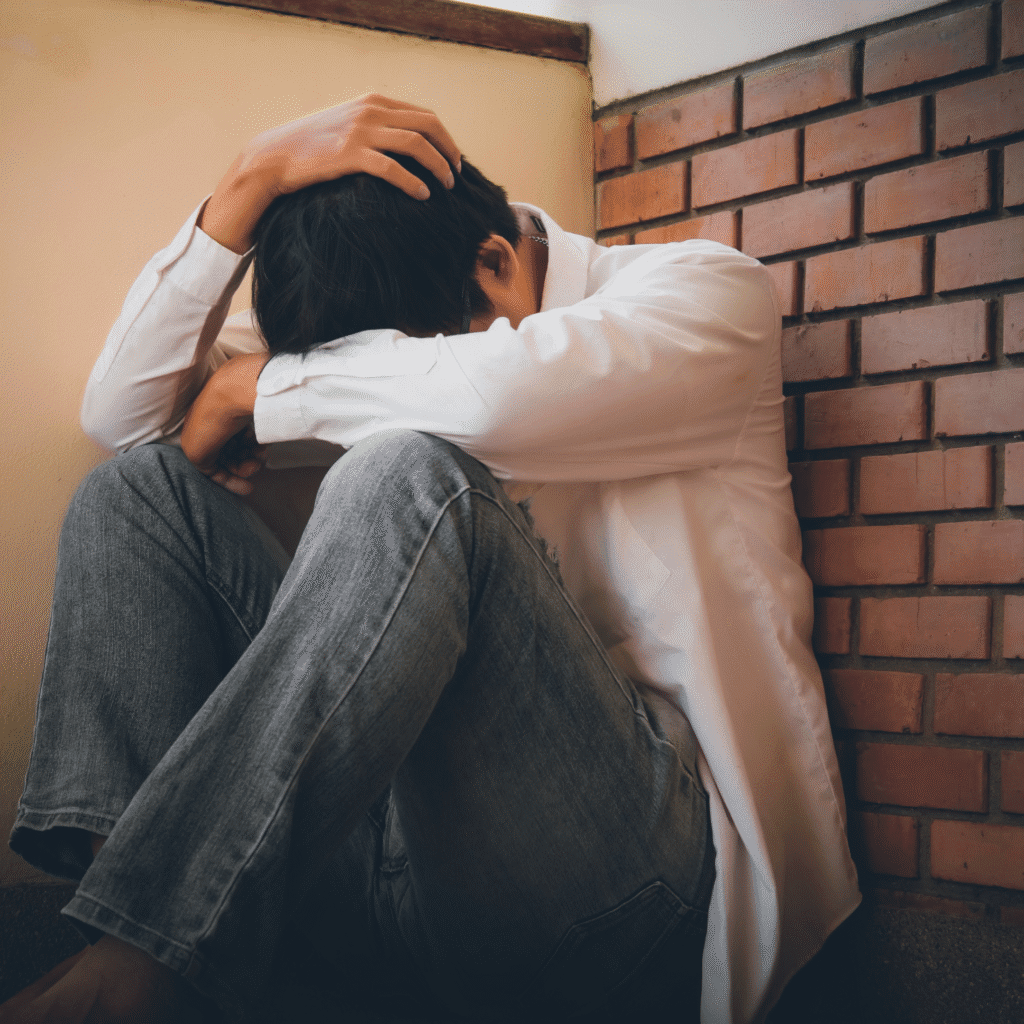
In TCM, mental health is anchored in the concept of Shen (神)—often translated as “spirit” or “mind.” Shen resides in the Heart, and its clarity reflects emotional stability, consciousness, and vitality. When Shen is disturbed—due to trauma, chronic stress, or internal imbalances—symptoms such as anxiety, depression, insomnia, and emotional volatility may arise.
TCM also recognises the emotional roles of other organs:
- Liver: Governs the smooth flow of Qi and is associated with anger, frustration, and depression.
- Spleen: Linked to overthinking and worry.
- Kidneys: Store essence (Jing) and influence fear and willpower.
- Lungs: Associated with grief and sadness.
Rather than isolating symptoms, TCM practitioners assess the root cause of emotional distress—whether it’s stagnation of Liver Qi, deficiency of Heart Blood, or imbalance in Yin and Yang—and tailor treatments accordingly.
Herbal Medicine for Emotional Support
Chinese herbal medicine offers a rich pharmacopeia for calming the Shen and supporting emotional balance. Some commonly used formulas include:
- Gan Mai Da Zao Tang (“Restore the Mind Decoction”): A gentle formula used for anxiety, restlessness, and emotional fragility. It nourishes Heart Blood and harmonises the Middle Jiao.
- Suan Zao Ren Tang: Ideal for insomnia, irritability, and palpitations due to Heart and Liver deficiency. It calms the Shen and promotes restful sleep.
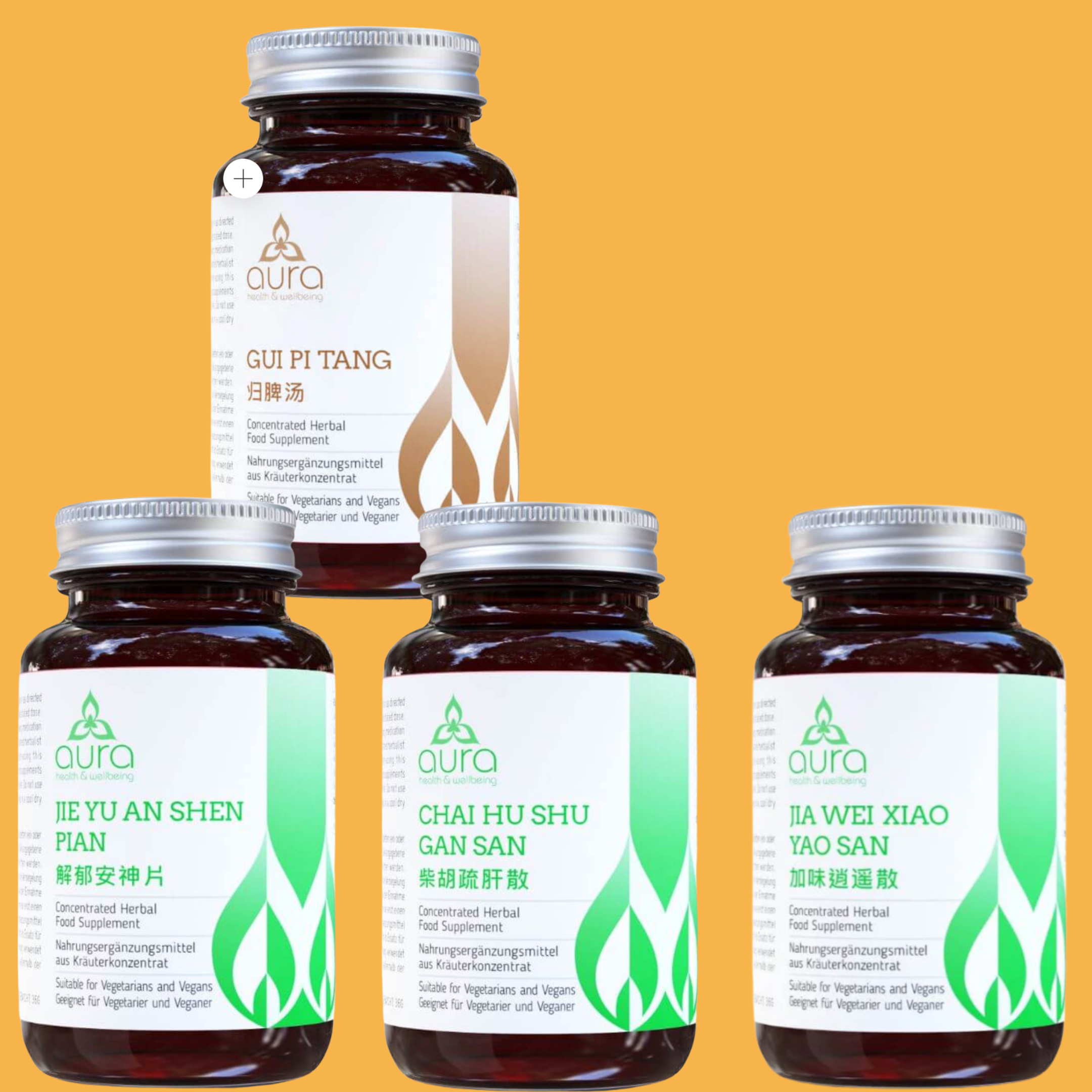
- Chai Hu Shu Gan San: A classic formula for Liver Qi stagnation, often used when emotional stress leads to digestive issues, mood swings, or menstrual irregularities.
- Jia Wei Xiao Yao San: A warming modification of Xiao Yao San, this formula is used for emotional tension, irritability, and fatigue linked to Liver Qi stagnation with internal heat. It soothes the Liver, clears heat, and harmonises the Spleen.
- Gui Pi Tang: Known as the “Restore the Spleen Decoction,” this nourishing blend supports insomnia, poor memory, and emotional exhaustion due to Spleen Qi and Heart Blood deficiency. It strengthens the Spleen and calms the Shen.
- Jie Yu An Shen Pian: A modern formula for emotional imbalance, low mood, and disturbed sleep. It disperses Liver Qi, anchors the Shen, and is often used for sadness, anxiety, and a sense of emotional disconnection.
These formulas are prescribed based on individual constitution and symptom patterns. A qualified herbalist will assess the person holistically before recommending treatment.

Acupuncture: Restoring Flow and Emotional Balance
Acupuncture is a powerful modality in TCM that can help regulate emotional states by:
- Balancing the nervous system and reducing stress hormones.
- Promoting endorphin release, enhancing mood naturally.
- Unblocking stagnant Qi, especially in the Liver and Heart meridians.
- Improving sleep and digestion, which directly affect emotional wellbeing.
Common acupuncture points for emotional support include:
- Yin Tang (between the eyebrows): Calms the mind and alleviates anxiety.
- Shen Men (HT7): Nourishes Heart Blood and anchors the Shen.
- Liver 3 (Tai Chong): Moves Liver Qi and relieves emotional tension.
- Pericardium 6 (Nei Guan): Opens the chest and soothes the Heart.
Patients often report a sense of deep relaxation and clarity following acupuncture sessions, with cumulative benefits over time.
Qi Gong & Tai Chi: Movement as Medicine
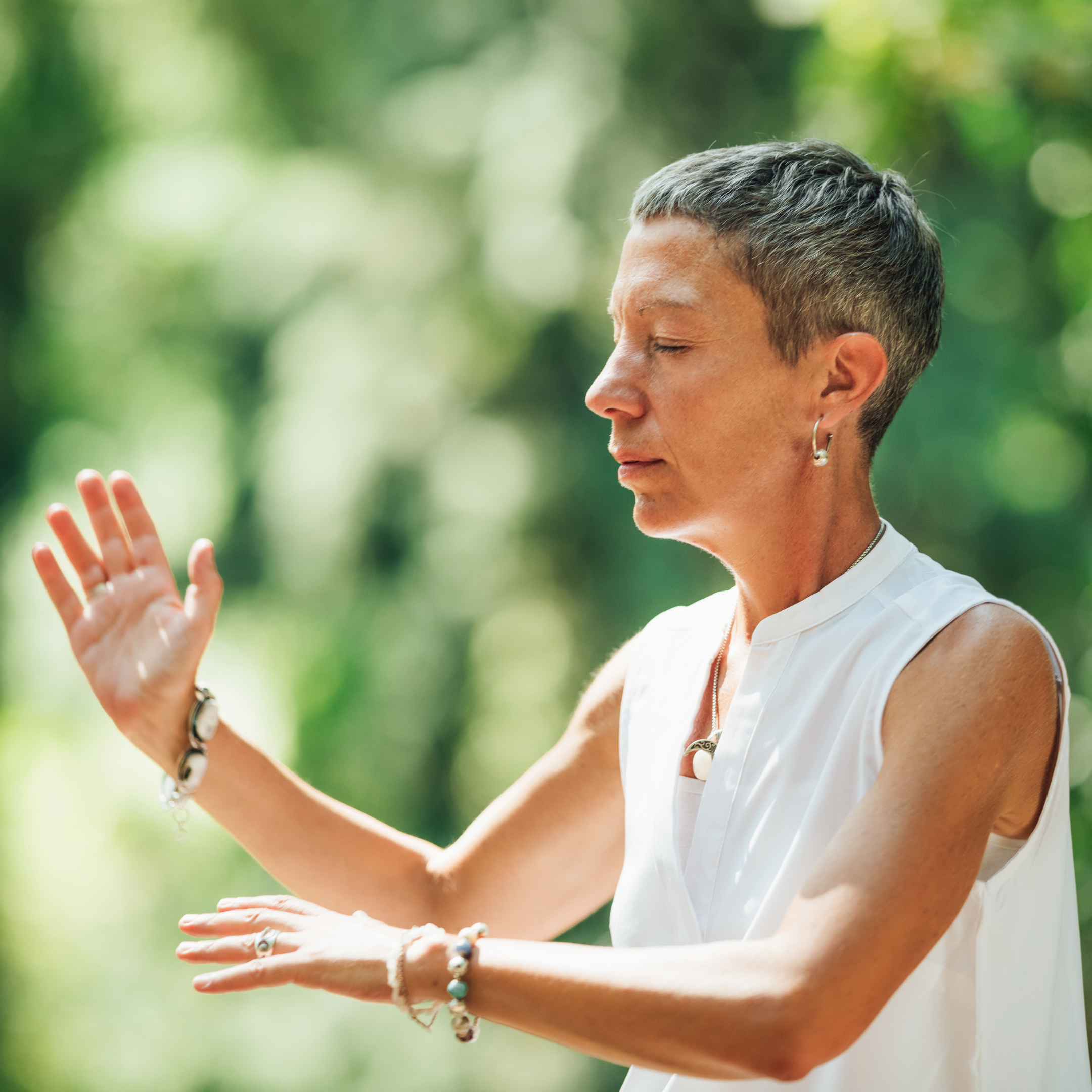
TCM also embraces movement therapies like Qi Gong and Tai Chi, which combine breath, posture, and intention to cultivate inner harmony. These practices are especially beneficial for mental health because they:
- Encourage mindfulness and present-moment awareness.
- Regulate breathing, calming the nervous system.
- Strengthen the body, improving energy and resilience.
- Facilitate emotional release through gentle movement.
Qi Gong for Emotional Healing
Qi Gong includes routines designed to release emotional blockages. For example:
- Five Element Qi Gong links movements to organ systems and emotions, helping practitioners process grief, anger, fear, and worry.
- Healing Sounds Qi Gong uses vocal tones to vibrate and cleanse internal organs, promoting emotional detox.
Tai Chi for Stability and Flow
Tai Chi, often described as “meditation in motion,” is ideal for those seeking balance—physically and emotionally. Its slow, deliberate movements help anchor the mind, improve coordination, and foster inner peace.
Both practices are accessible to people of all ages and fitness levels, making them excellent tools for long-term mental wellness.

TCM’s Role in Suicide Prevention
While TCM offers profound tools for emotional healing, suicide prevention requires a multi-layered approach, including:
- Open conversations about mental health.
- Access to professional support, including counselling and crisis intervention.
- Community engagement and peer support.
- Lifestyle changes, including sleep, nutrition, and movement.
TCM complements these efforts by:
- Reducing stigma: Many view TCM as a gentle, non-invasive form of care, which may encourage those hesitant about conventional therapy to seek help.
- Offering personalised care: TCM treats the individual, not just the diagnosis, which can be empowering for those who feel misunderstood.
- Creating safe spaces: Whether it’s a Qi Gong class, an acupuncture clinic, or a herbal consultation, TCM environments often foster calm, connection, and healing.

Practical Tips for Mental Wellbeing with TCM
Here are some gentle ways to incorporate TCM into daily life:
- Start a morning Qi Gong routine: Even 10 minutes of movement can set a positive tone.
- Drink calming herbal teas: Ingredients like jujube, chrysanthemum, and Suan Zao Ren can soothe the Shen.
- Try acupressure at home: Pressing points like Yin Tang or Pericardium 6 can help relieve anxiety.
- Eat for your organs: Nourish the Spleen with warm, cooked foods; support the Liver with leafy greens.
- Connect with nature: TCM emphasises harmony with the environment—walks in the park, gardening, or simply sitting under a tree can be restorative.
A Message of Hope
World Suicide Prevention Day reminds us that every life matters, and that healing is possible—even in the darkest moments. TCM offers a compassionate, holistic path toward emotional balance, one that honours the complexity of the human spirit.
If you’re a practitioner, consider how your skills can support those in emotional distress. If you’re a patient, know that you’re not alone—and that help exists in many forms.
Let’s continue to build bridges between ancient wisdom and modern care, fostering a world where mental health is nurtured, not neglected.

FAQ
1. Can Traditional Chinese Medicine (TCM) replace conventional mental health treatment?
No. TCM is a complementary approach that can support emotional wellbeing alongside conventional care. It’s not a substitute for professional psychological or psychiatric treatment, especially in crisis situations. Always consult a qualified healthcare provider if you or someone you know is struggling.
2. How does acupuncture help with anxiety and depression?
Acupuncture works by stimulating specific points on the body to regulate the nervous system, improve circulation, and balance internal energy (Qi). It can help reduce stress hormones, promote relaxation, and improve sleep—key factors in managing anxiety and depression.
3. Are Chinese herbal formulas safe for long-term use?
When prescribed by a qualified practitioner, Chinese herbal formulas are generally safe and tailored to individual needs. However, long-term use should be monitored, especially if you’re taking other medications or have underlying health conditions. Always seek professional guidance.
4. What’s the difference between Qi Gong and Tai Chi for mental health?
Both are gentle movement practices that combine breath, posture, and intention. Qi Gong often focuses on internal healing and energy cultivation, while Tai Chi emphasises fluid motion and balance. Both can reduce stress, improve mood, and enhance emotional resilience.
5. How do I know which TCM formula is right for me?
TCM formulas are prescribed based on your unique constitution and symptom patterns. A practitioner will assess your physical and emotional state, pulse, tongue, and lifestyle before recommending a formula. Self-prescribing is discouraged without proper consultation.