
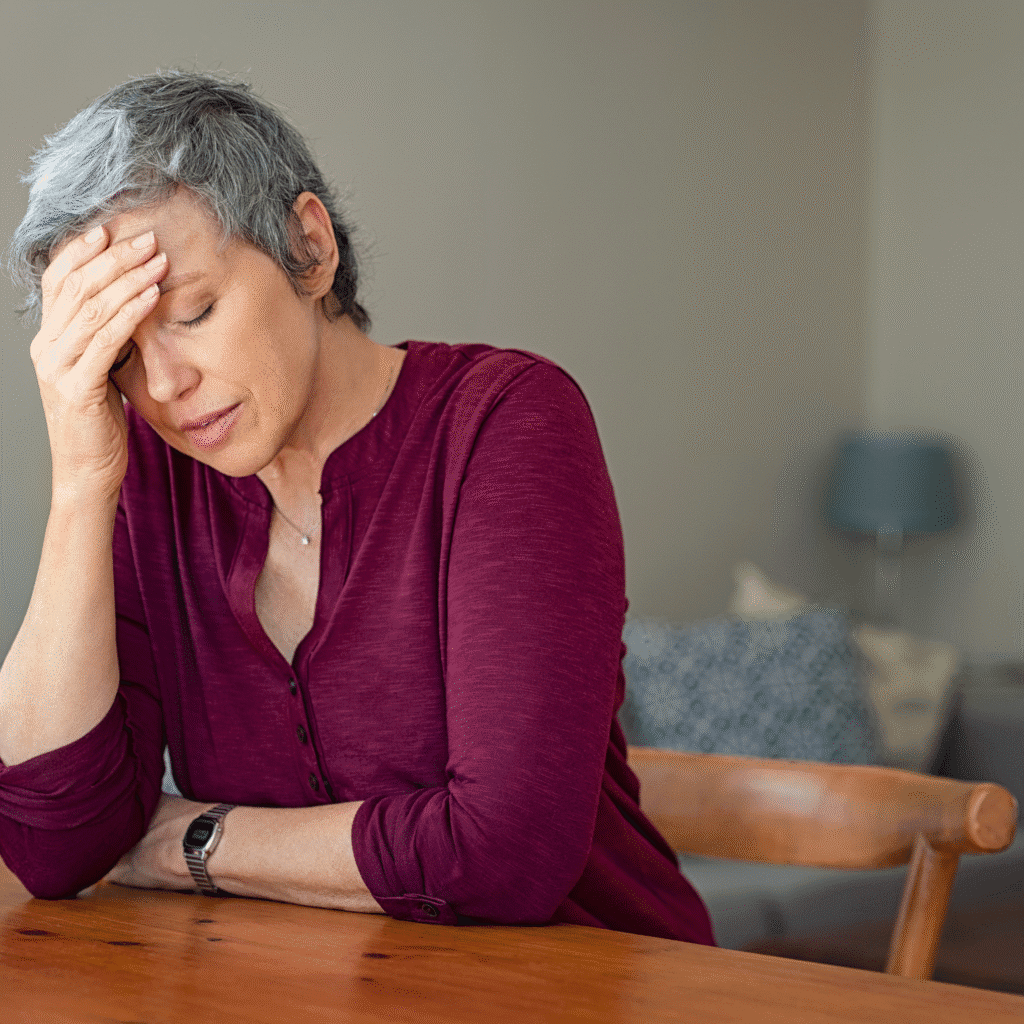
September marks Menopause Awareness Month, a time to spotlight the physical, emotional, and social changes that accompany this natural life transition. While menopause is often framed in terms of discomfort—hot flushes, mood swings, insomnia, and fatigue—it also presents an opportunity to reconnect with the body, restore balance, and embrace a new phase of vitality.
In Traditional Chinese Medicine (TCM), menopause is not viewed as a decline, but rather as a transformative shift in Yin and Yang, Qi, and Blood. TCM offers a deeply holistic approach to managing menopausal symptoms, using herbal medicine, acupuncture, and lifestyle practices to support hormonal harmony and emotional wellbeing.
This blog explores how TCM can empower women during menopause, offering both practitioners and patients practical tools for navigating this stage with grace and resilience.
Understanding Menopause in TCM
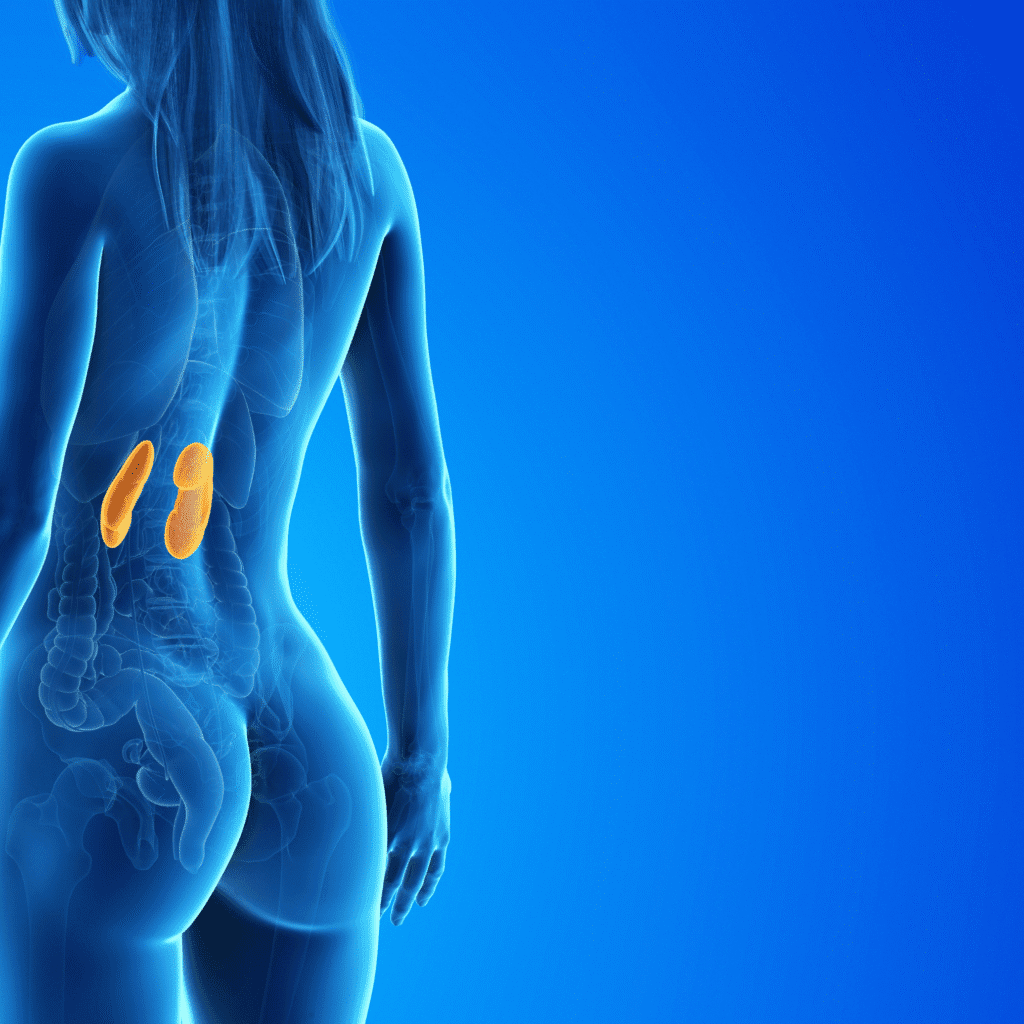
In Western medicine, menopause is defined by the cessation of menstruation and a drop in oestrogen and progesterone levels. In TCM, it is understood through the lens of Kidney essence (Jing), Yin-Yang balance, and the Zang-Fu organ systems.
The Kidneys are considered the root of life and the storehouse of Jing, which governs growth, reproduction, and ageing. As women age, Kidney Jing naturally declines, leading to a reduction in Yin and Blood. This deficiency can result in Yang rising unchecked, manifesting as hot flushes, night sweats, irritability, and insomnia.
Other organ systems also play a role:
- Liver: Regulates the smooth flow of Qi and emotions. Liver Qi stagnation can lead to mood swings, frustration, and menstrual irregularities.
- Heart: Houses the Shen (spirit) and influences sleep and emotional stability.
- Spleen: Governs digestion and Blood production. Weak Spleen function can contribute to fatigue and poor nutrient absorption.
Rather than treating symptoms in isolation, TCM seeks to rebalance the entire system, addressing root causes and restoring harmony.
Herbal Medicine for Menopausal Support
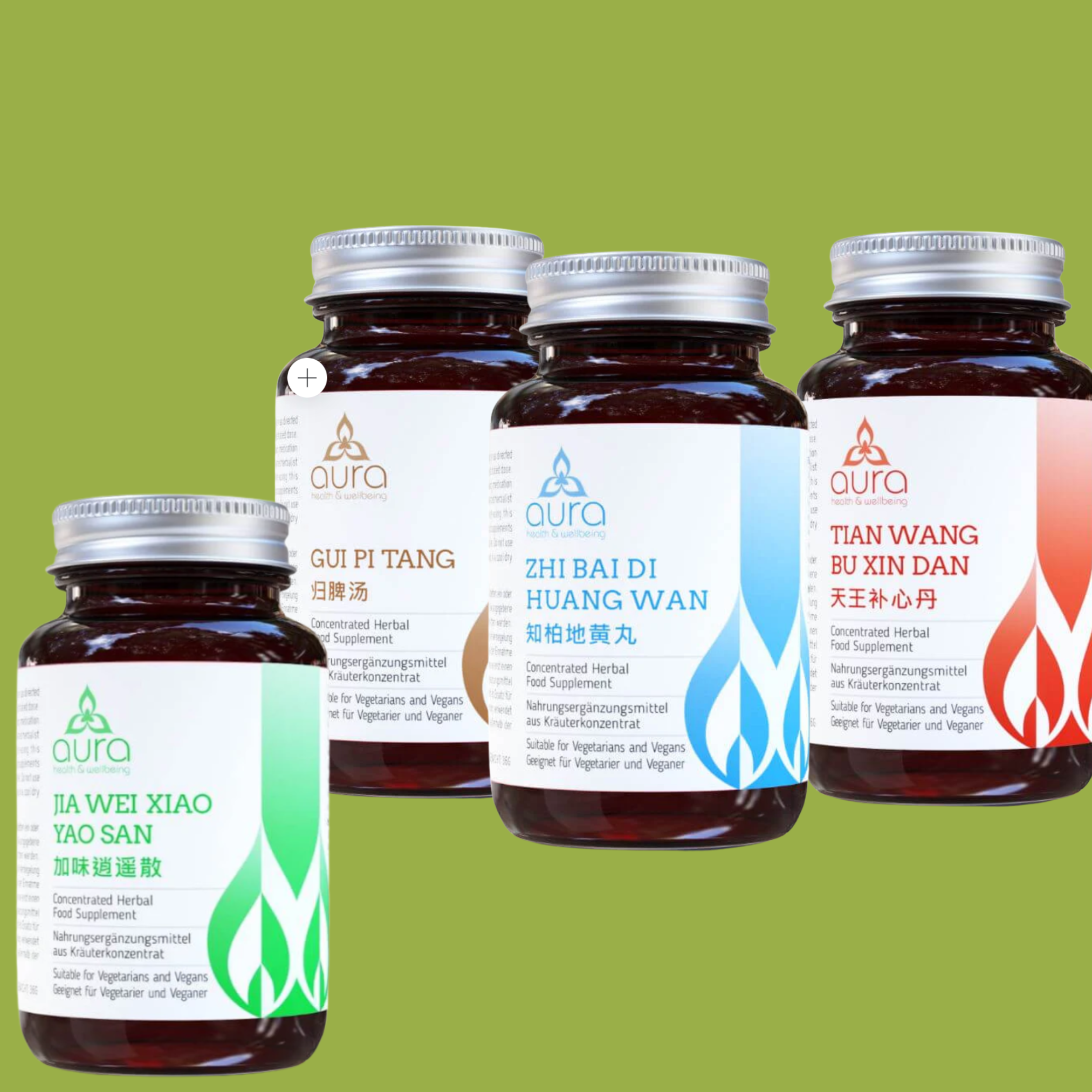
Chinese herbal medicine offers a wide range of formulas tailored to the unique patterns of imbalance seen during menopause. These formulas are prescribed based on individual presentation, not just a one-size-fits-all approach.
Zhi Bai Di Huang Wan
One of the most commonly used formulas for Yin deficiency with heat signs, Zhi Bai Di Huang Wan is a modification of Liu Wei Di Huang Wan, with added herbs to clear heat.
It may help with:
- Hot flushes and night sweats
- Dry mouth and throat
- Irritability and restlessness
- Insomnia and low back pain
This formula nourishes Kidney Yin, clears deficient heat, and anchors Yang, making it ideal for women experiencing heat-related symptoms.
Tian Wang Bu Xin Dan
Used for Heart and Kidney Yin deficiency, this formula is often prescribed for:
- Palpitations and anxiety
- Difficulty falling asleep
- Forgetfulness and mental fatigue
It nourishes Yin, calms the Shen, and supports restful sleep.
Jia Wei Xiao Yao San
For women with Liver Qi stagnation and heat, Jia Wei Xiao Yao San is a go-to formula. It may assist with:
- Mood swings and irritability
- Breast tenderness
- Digestive upset
- Irregular periods
This formula soothes the Liver, clears heat, and harmonises the Spleen, making it suitable for emotional and digestive symptoms during menopause.
Gui Pi Tang
For those experiencing fatigue, poor memory, and emotional fragility, Gui Pi Tang strengthens the Spleen and nourishes Heart Blood. It’s particularly helpful for:
- Sleep disturbances
- Low energy
- Anxiety and overthinking

Acupuncture for Hormonal Harmony
Acupuncture is a powerful tool for regulating the endocrine system, calming the nervous system, and restoring internal balance. By stimulating specific points, acupuncture can:
- Reduce hot flushes and night sweats
- Improve sleep quality
- Stabilise mood and reduce anxiety
- Boost energy and mental clarity
Key Acupuncture Points for Menopause
- Kidney 3 (Tai Xi): Tonifies Kidney Yin and essence.
- Spleen 6 (San Yin Jiao): Harmonises the Liver, Spleen, and Kidneys; excellent for hormonal regulation.
- Heart 7 (Shen Men): Calms the Shen and supports emotional wellbeing.
- Liver 3 (Tai Chong): Moves Liver Qi and alleviates irritability.
- Du 20 (Bai Hui): Lifts mood and clears the mind.
Treatment plans are typically tailored to the individual’s pattern of disharmony, with regular sessions recommended for cumulative benefits.

Lifestyle & Movement Practices
TCM also emphasises the importance of lifestyle in maintaining hormonal balance. Gentle movement, breathwork, and dietary adjustments can make a significant difference.
Qi Gong & Tai Chi
These ancient movement practices combine breath, posture, and intention to cultivate internal energy and calm the mind. For menopausal women, they offer:
- Improved circulation and flexibility
- Stress reduction and emotional grounding
- Enhanced sleep and energy levels
Even 15 minutes a day of Qi Gong or Tai Chi can help regulate the nervous system and promote a sense of inner peace.
Dietary Advice
TCM dietary therapy recommends:
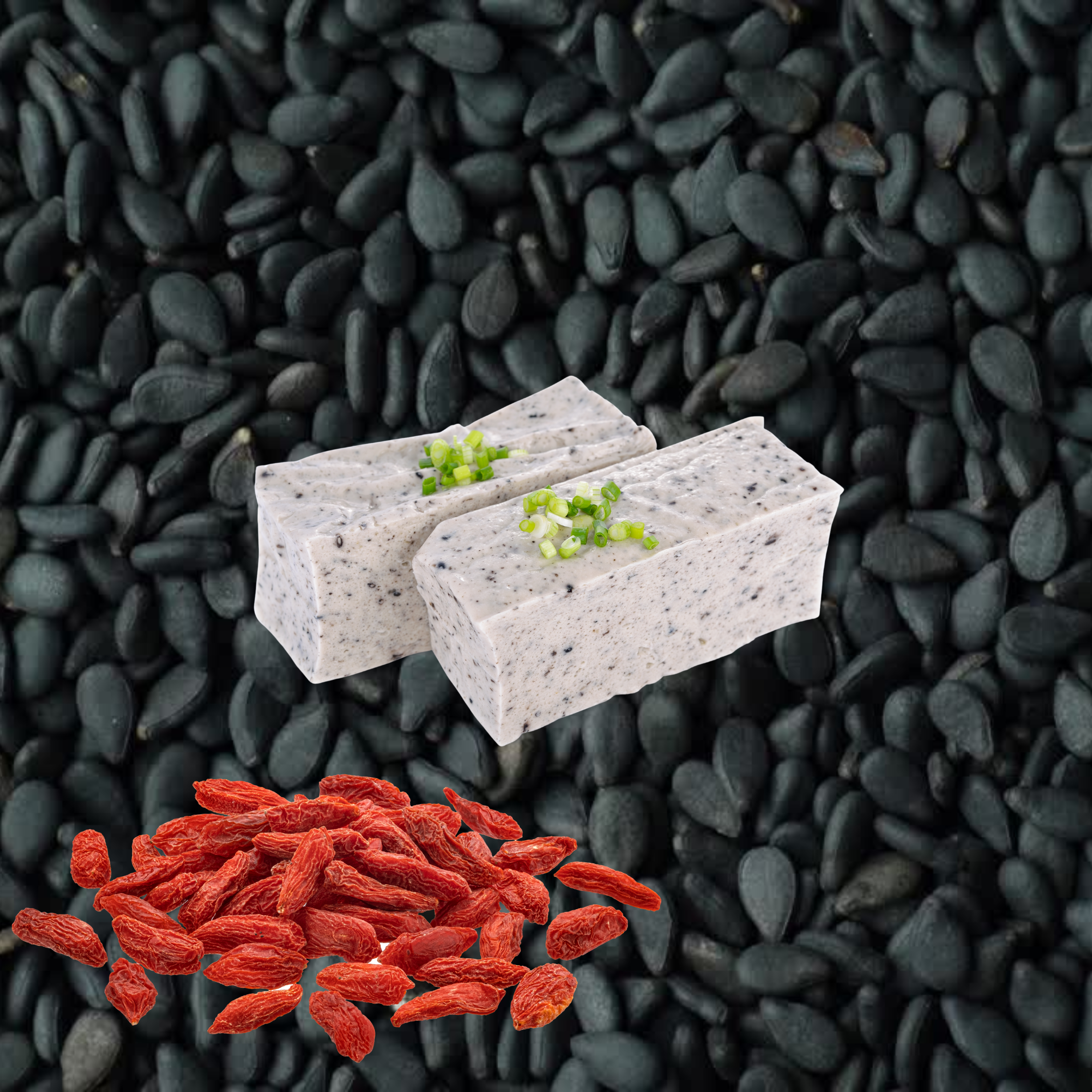
- Warm, cooked foods to support digestion and Spleen Qi
- Yin-nourishing foods such as black sesame seeds, tofu, and goji berries
- Avoiding spicy, greasy, and overly stimulating foods, which can exacerbate heat symptoms
Hydration, regular meals, and mindful eating are also key to maintaining balance.

Empowering Patients & Educating Practitioners
Menopause is a deeply personal journey, and TCM offers a compassionate, individualised approach that honours the complexity of each woman’s experience. For practitioners, it’s an opportunity to:
- Recognise subtle patterns of imbalance
- Offer tailored herbal and acupuncture treatments
- Educate patients on self-care and lifestyle practices
For patients, TCM provides:
- Relief from distressing symptoms
- A sense of agency and understanding
- Tools for long-term wellbeing
By bridging ancient wisdom with modern awareness, we can transform menopause from a time of struggle into a gateway for renewal.
A New Chapter, Not a Closing One
Menopause Awareness Month reminds us that this life stage is not an ending, but a beginning of a new chapter—one that can be rich with insight, vitality, and self-discovery. Traditional Chinese Medicine offers a roadmap for navigating this transition with grace, helping women reconnect with their bodies and embrace the wisdom of change.
Whether you’re a practitioner seeking to deepen your understanding, or a woman exploring holistic support, TCM invites you to view menopause not as a loss, but as a powerful shift toward balance and renewal.

FAQ
1. How does Traditional Chinese Medicine (TCM) view menopause differently from Western medicine?
TCM sees menopause not as a decline, but as a natural transition in a woman’s life. It focuses on balancing Yin and Yang, nourishing Kidney essence (Jing), and supporting the organ systems—particularly the Kidneys, Liver, Heart, and Spleen—to ease symptoms and promote long-term wellbeing.
2. Can acupuncture really help with hot flushes and night sweats?
Yes. Acupuncture can regulate internal heat by tonifying Yin and calming Yang. Specific points like Kidney 3 and Spleen 6 are commonly used to reduce hot flushes, night sweats, and associated symptoms such as irritability and insomnia.
3. Is Zhi Bai Di Huang Wan suitable for all menopausal women?
Not necessarily. Zhi Bai Di Huang Wan is ideal for those with signs of Yin deficiency and internal heat, such as hot flushes, dryness, and restlessness. A qualified practitioner will assess your individual pattern before recommending any formula.
4. How often should I have acupuncture during menopause?
Frequency depends on your symptoms and constitution. Many women benefit from weekly sessions initially, with adjustments over time. Regular treatments can help manage symptoms and support overall hormonal balance.
5. Are Qi Gong and Tai Chi effective for menopause-related stress and fatigue?
Absolutely. These gentle movement practices improve circulation, reduce stress, and enhance emotional resilience. They’re particularly helpful for managing fatigue, mood swings, and sleep disturbances during menopause.