


The Solar Term Qiu Fen (Autumn Equinox): How to Nourish Lung & Large Intestine Qi as the Season Shifts
Each year in late September, as summer fades into autumn, the Chinese calendar marks an important seasonal turning point: Qiu Fen (秋分), or the Autumn Equinox. Falling around 22–23 September, it is one of the 24 solar terms in the traditional East Asian calendar. These solar terms, based on the sun’s position in the zodiac, have guided agricultural practice, daily living, and Traditional Chinese Medicine (TCM) health advice for thousands of years.
In TCM philosophy, each solar term reflects a shift in nature’s rhythm and in the energies that shape human health. Qiu Fen is particularly significant because it represents perfect balance between yin and yang: day and night are equal in length. From this point onwards, yin begins to grow, nights become longer, and the climate turns cooler and drier. It is a pivotal time to adjust how we live, eat, and care for ourselves in order to align with the season’s energy.

What Qiu Fen Means in TCM
The Autumn Equinox signals the full arrival of autumn. The blazing yang heat of summer gives way to cooler air, brisk winds, and a sense of contraction in nature. Leaves begin to turn, crops ripen, and animals prepare for the coming cold.
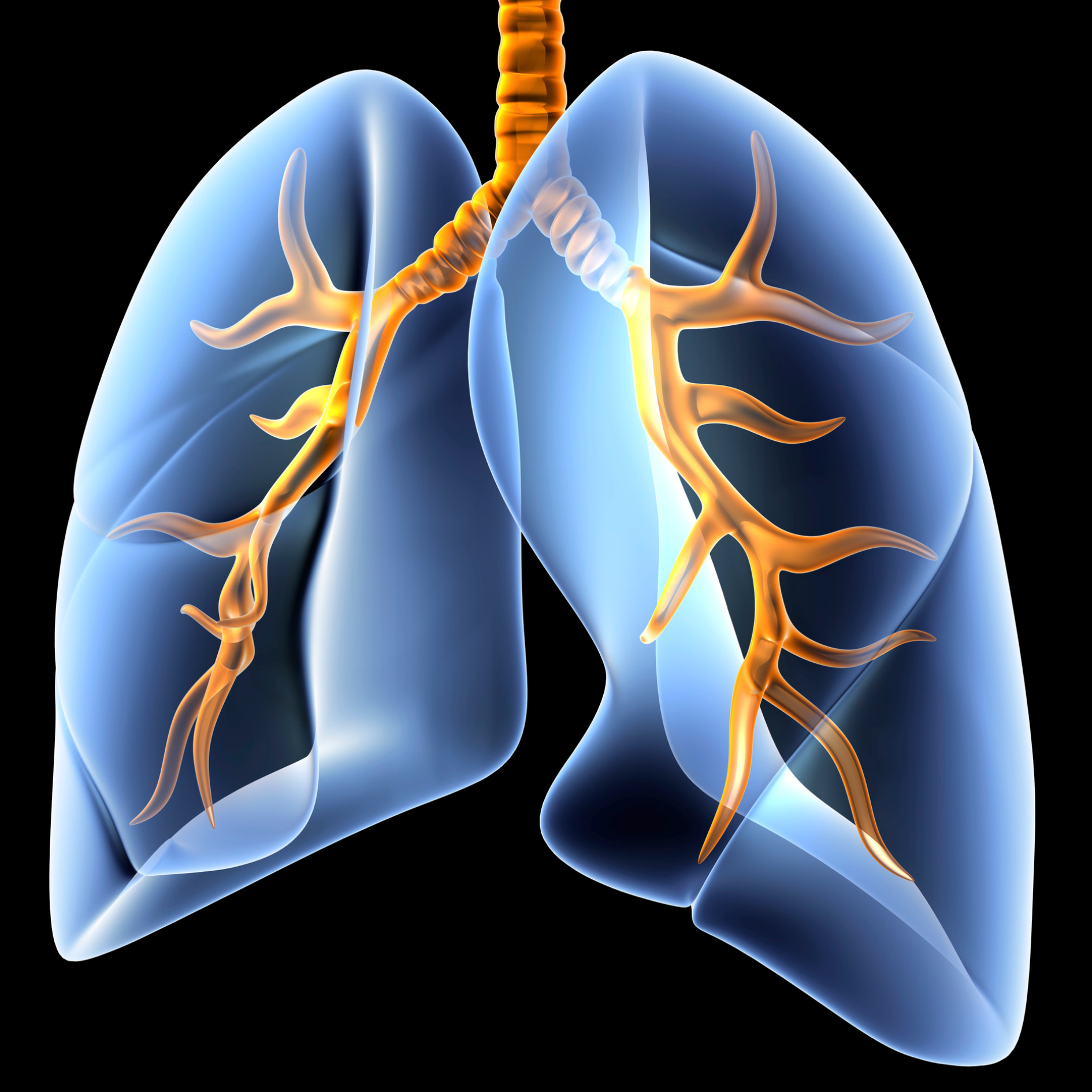
From a TCM perspective, autumn corresponds with the Metal element, which governs the Lung (Fei) and Large Intestine (Da Chang). These organs are responsible not only for respiration and elimination, but also for the movement of qi (vital energy) and the regulation of moisture in the body.
The Lung in particular is considered delicate and vulnerable to external changes. It is the “tender organ” (fei wei zhi zang), open to invasion by dryness and wind. When the environment becomes dry and cool, this can easily disturb Lung qi, leading to cough, sore throat, dry skin, or susceptibility to colds. Meanwhile, the Large Intestine is responsible for letting go of waste, both physical and emotional. When it becomes imbalanced in autumn, constipation or irregular bowel movements may occur.
Thus, Qiu Fen is a time to strengthen and protect the Lung and Large Intestine, ensuring smooth qi circulation, adequate moisture, and balance between yin and yang.

Common Imbalances Around the Autumn Equinox
Many people notice subtle physical changes as the season turns. In TCM, these are understood as the body’s response to environmental influences. Common imbalances include:
- Dryness: The hallmark of autumn. Dry air depletes fluids in the Lung and skin, causing dry cough, throat irritation, itchy skin, cracked lips, or nosebleeds.
- Respiratory issues: Weak Lung qi increases susceptibility to colds, flu, and seasonal allergies.
- Digestive changes: The Large Intestine may become sluggish, leading to constipation, or in some cases loose stools if dampness lingers from summer.
- Emotional shifts: The Metal element is associated with grief and letting go. Many people feel reflective, melancholic, or find it harder to release old emotions during this season.
Recognising these patterns helps us make wise choices in diet, lifestyle, and treatment during Qiu Fen.

Recommended Foods and Herbs
Nourishing yin and moistening dryness are key strategies at this time of year. In TCM dietary therapy, foods that are cooling but moistening, sweet, and slightly sour help to replenish Lung fluids and protect against dryness.
Here are some commonly recommended foods and herbs:
- Pears (Li): A classic autumn remedy. Pears moisten the Lung, clear heat, and relieve dryness-induced coughs. Stewed pear with a little honey is a traditional recipe for soothing the throat.
- White Fungus (Tremella, Bai Mu Er): Known as the “poor man’s bird’s nest” in China, white fungus nourishes yin, moistens the Lung, and replenishes fluids. It is often cooked into sweet soups with rock sugar.
- Lily Bulb (Bai He): Calms the spirit and moistens the Lung. Particularly helpful for dry cough with irritability or poor sleep.
- Lotus Root (Ou): Cools heat, generates fluids, and supports digestion.
- Almonds (Xing Ren): Used in moderation, they help relieve cough and support Lung qi.
- Sesame Seeds (especially black): Nourish yin, moisten dryness, and support the Large Intestine to ease constipation.
- Honey: Naturally moistening and harmonising, it benefits both the Lung and Large Intestine.
Seasonal fruits such as apples, persimmons, and grapes are also recommended, as they provide natural fluids and gentle sweetness. Cooking methods should gradually shift from raw, cooling foods (ideal in summer) towards lightly cooked, steamed, or stewed dishes. Soups, congee, and broths help conserve warmth while supporting hydration.
Acupuncture for Autumn Balance
Acupuncture can play an important role in regulating the Lung and Large Intestine during Qiu Fen. By stimulating key meridian points, practitioners help restore balance, disperse dryness, and strengthen defensive qi (wei qi) to ward off seasonal pathogens.
Commonly used points include:
- LU9 (Taiyuan): The Yuan-source point of the Lung, strengthening Lung qi and nourishing yin.
- LU7 (Lieque): Disperses Wind, benefits the throat, and supports the descending function of Lung qi.
- LI4 (Hegu): Regulates the face, nose, and immune system; commonly used to expel Wind-Cold.
- ST36 (Zusanli): Strengthens overall qi, digestion, and immunity.
- KI6 (Zhaohai): Nourishes yin and moistens dryness.
Point selection always depends on individual presentation. For example, a patient with a dry, unproductive cough may need LU9 and KI6 to restore fluids, while someone prone to catching colds might benefit from LU7 and LI4 to strengthen defensive qi.

Lifestyle Tips for Qiu Fen
Aligning daily habits with seasonal rhythms is at the heart of TCM health preservation (yang sheng). During the Autumn Equinox, small adjustments can make a big difference in maintaining balance.
-
Prioritise Breathing Exercises
As the Lung governs respiration, this is an excellent time to practise mindful breathing. Gentle qigong exercises, yoga breathing, or even daily walks in fresh air help to expand the chest, improve oxygen exchange, and calm the mind.
-
Maintain Adequate Moisture
Dry indoor heating can quickly aggravate seasonal dryness. Use a humidifier or place bowls of water around radiators to maintain humidity. Drinking warm water or herbal teas throughout the day is also beneficial.
-
Adjust the Diet
Shift from raw salads and cold drinks to warm, cooked meals. Soups, stews, porridges, and roasted vegetables support digestion while conserving energy. Avoid overly spicy, fried, or greasy foods, as they can generate internal heat and further damage yin.
-
Guard Against Cold
The body is more vulnerable to chills during seasonal transitions. Wear a scarf to protect the neck, which is seen as a key entry point for Wind in TCM. Layer clothing to adapt easily to fluctuating temperatures.
-
Balance Activity and Rest
Day and night are equal at Qiu Fen, a reminder to harmonise activity with rest. Reduce late nights, cultivate regular routines, and allow the body to recharge.
-
Support Emotional Release
Autumn invites reflection. If feelings of sadness or grief arise, acknowledge them rather than repress them. Journalling, talking with trusted friends, or practising meditation can help the Metal element release what no longer serves.

Conclusion
The Autumn Equinox, or Qiu Fen, is not merely a calendar date but a powerful seasonal pivot in the traditional Chinese understanding of health. As nature shifts towards cooler, drier conditions, our bodies and minds require gentle adaptation.
By nourishing the Lung and Large Intestine, moistening dryness, and aligning daily habits with seasonal rhythms, we can strengthen our defences and preserve vitality throughout autumn and beyond. Simple changes—such as enjoying a bowl of pear and white fungus soup, practising slow breathing, or keeping warm on breezy days—reflect timeless TCM wisdom.
When we live in tune with the solar terms, we are reminded that health is not just the absence of illness but the ability to flow with nature’s cycles. Qiu Fen invites us to embrace balance, let go of excess, and cultivate clarity—both in our breath and in our lives.

FAQ
- What exactly is Qiu Fen in the Chinese calendar?
Qiu Fen is the Autumn Equinox, one of the 24 solar terms in the traditional East Asian calendar. It usually falls on 22 or 23 September, marking the point when day and night are of equal length and signalling the transition to cooler, drier autumn weather. - Why does TCM emphasise the Lung and Large Intestine during this season?
In TCM’s Five Element theory, autumn corresponds with the Metal element, which governs the Lung and Large Intestine. These organs are most active and vulnerable during this season, making them key to maintaining balance, immunity, and emotional wellbeing. - What foods help nourish the Lung and Large Intestine at this time?
Moistening, yin-nourishing foods are best. Examples include pears, white fungus, lily bulb, lotus root, almonds, sesame seeds, and honey. Warm, cooked dishes such as soups and porridges are recommended over raw or cold foods. - Are there simple lifestyle changes I can make during Qiu Fen?
Yes—focus on breathing exercises, staying hydrated, keeping indoor air moist, eating warm meals, and wearing a scarf to protect against seasonal winds. It’s also important to maintain a balance between activity and rest, reflecting the equal yin and yang of the equinox. - Can acupuncture really help with seasonal changes?
Yes. Acupuncture supports the body’s adaptation by regulating Lung and Large Intestine qi, strengthening immunity, and moistening dryness. Specific points such as LU9, LU7, and LI4 are commonly used, but treatment should always be tailored to individual needs.