


As the crisp air of late October settles in and pumpkins glow on doorsteps, we find ourselves at a seasonal crossroads—where Western traditions of Halloween meet the Eastern wisdom of Traditional Chinese Medicine (TCM). While one celebrates transformation, mystery, and protection from unseen forces, the other invites us to turn inward, nurture our lungs, and harmonise with nature’s rhythms. This Halloween, let’s explore how balancing yin and yang can help us navigate autumn’s emotional and physical shifts with grace, vitality, and a touch of magic.

Halloween and Autumn: A Tale of Two Traditions
Halloween, with its roots in the Celtic festival of Samhain, marks a liminal time when the veil between worlds is said to thin. It’s a celebration of transformation—of death and rebirth, of confronting fears and protecting oneself from malevolent spirits. Costumes, masks, and rituals symbolise our desire to shield ourselves and embrace change.
In TCM, autumn is also a season of transformation. It’s governed by the Metal element, associated with clarity, refinement, and letting go. Just as trees shed their leaves, we are encouraged to release what no longer serves us—be it emotional baggage, unhealthy habits, or stagnant energy. The lungs and large intestine, the organs linked to Metal, play a key role in this process. They help us breathe in purity and eliminate waste, both physically and emotionally.
Where Halloween urges us to protect and transform through external symbols, TCM guides us to do the same internally—by balancing yin and yang, supporting our qi (life force), and aligning with seasonal energies.
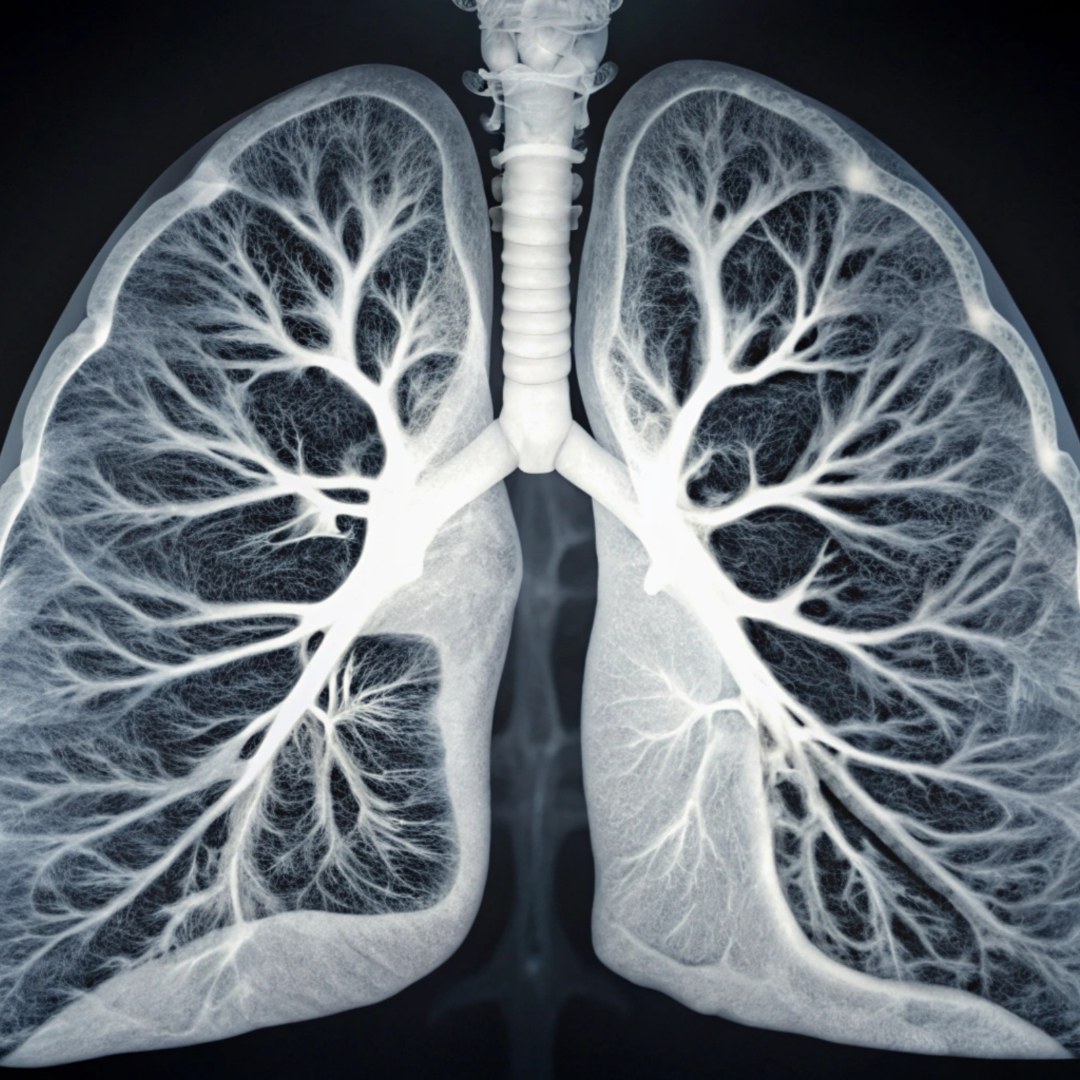
The Lung Connection: Breathing Through Change
In TCM, the lungs are considered the “tender organ” of autumn. They govern respiration, immunity, and the skin, and are deeply affected by dryness and grief. As the air becomes cooler and less humid, many experience dry coughs, chapped lips, and tight chests. Emotionally, autumn can stir feelings of sadness or nostalgia, especially as daylight wanes and we retreat indoors.
To support lung health during this season:
- Hydrate mindfully: Sip warm water with a slice of pear or lemon. Pears are moistening and cooling, ideal for dry lungs.
- Steam therapy: Add eucalyptus or peppermint oil to a bowl of hot water, cover your head with a towel, and inhale deeply.
- Breathe consciously: Practise qigong or deep belly breathing to strengthen lung qi and calm the mind.
Just as Halloween masks protect us from imagined spirits, these practices shield our lungs from seasonal imbalances and help us breathe through emotional transitions.
Yin and Yang: Finding Balance in the Shadows
Autumn is a yin season—cooler, darker, and more introspective. Yang energy, which is active and expansive, begins to retreat. This shift can leave us feeling fatigued, melancholic, or unmotivated. TCM teaches that health arises from the dynamic balance of yin and yang. When one dominates, disharmony follows.
Halloween’s themes of light versus dark, life versus death, mirror this interplay. The flickering jack-o’-lantern, carved from autumn’s bounty, symbolises light within darkness—a perfect metaphor for maintaining yang warmth in a yin season.
To balance yin and yang:
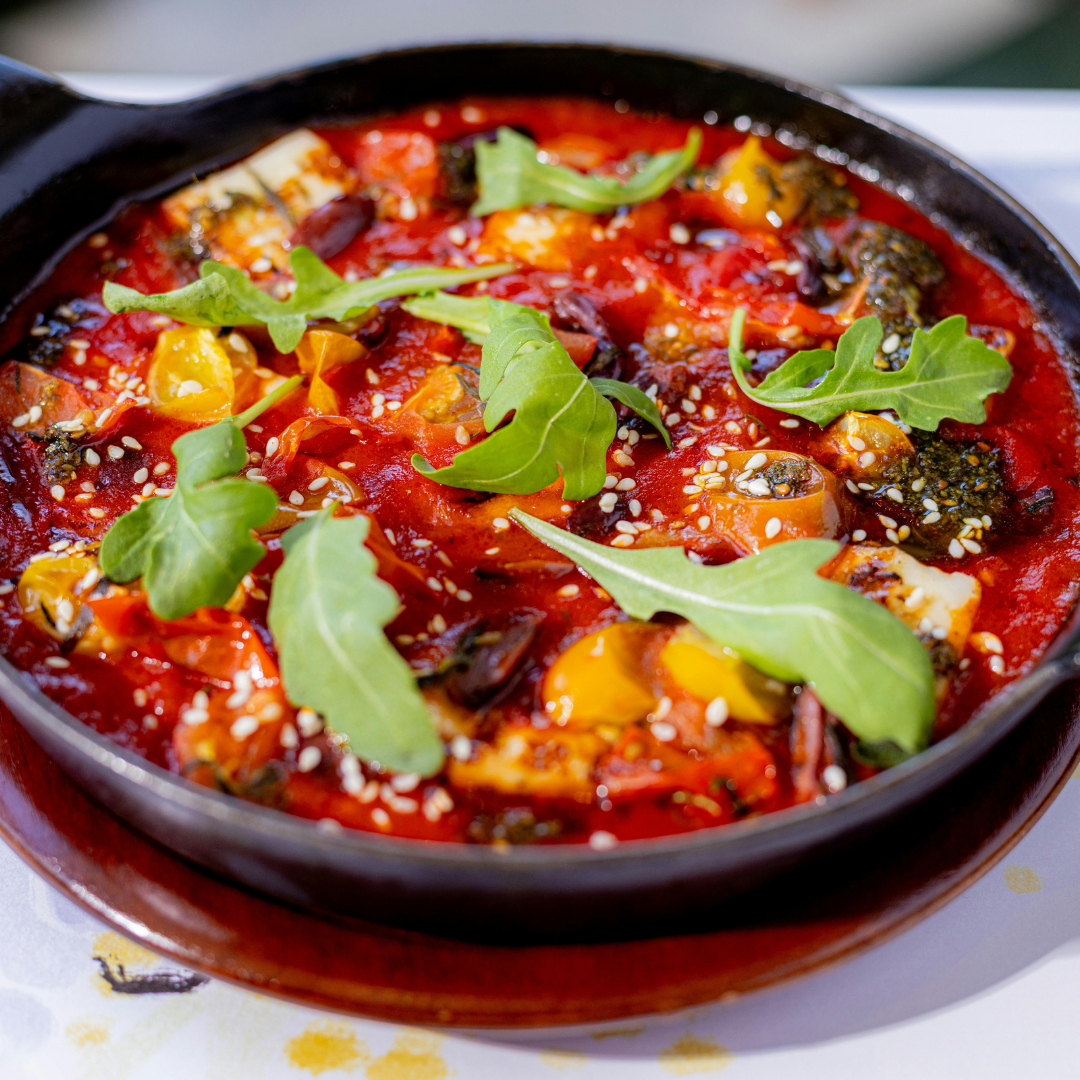
- Warm your diet: Embrace cooked foods like soups, stews, and roasted root vegetables. Add warming spices like ginger, cinnamon, and cloves.
- Dress for the season: Keep the neck and chest covered to protect lung qi from wind and cold.
- Rest and reflect: Honour the yin energy by slowing down, journaling, or meditating.
These lifestyle shifts help us adapt to autumn’s rhythm, just as Halloween rituals help us navigate the unknown.
Herbal Allies: Nature’s Seasonal Protectors
TCM offers a treasure trove of herbal remedies to support the body during autumn. These herbs not only nourish the lungs but also help manage dryness, grief, and fatigue.
- Astragalus (Huang Qi): A powerful qi tonic that boosts immunity and protects against seasonal colds.
- White Peony Root (Bai Shao): Calms the liver, nourishes blood, and eases emotional tension.
- Licorice Root (Gan Cao): Harmonises other herbs, soothes the throat, and supports digestion.
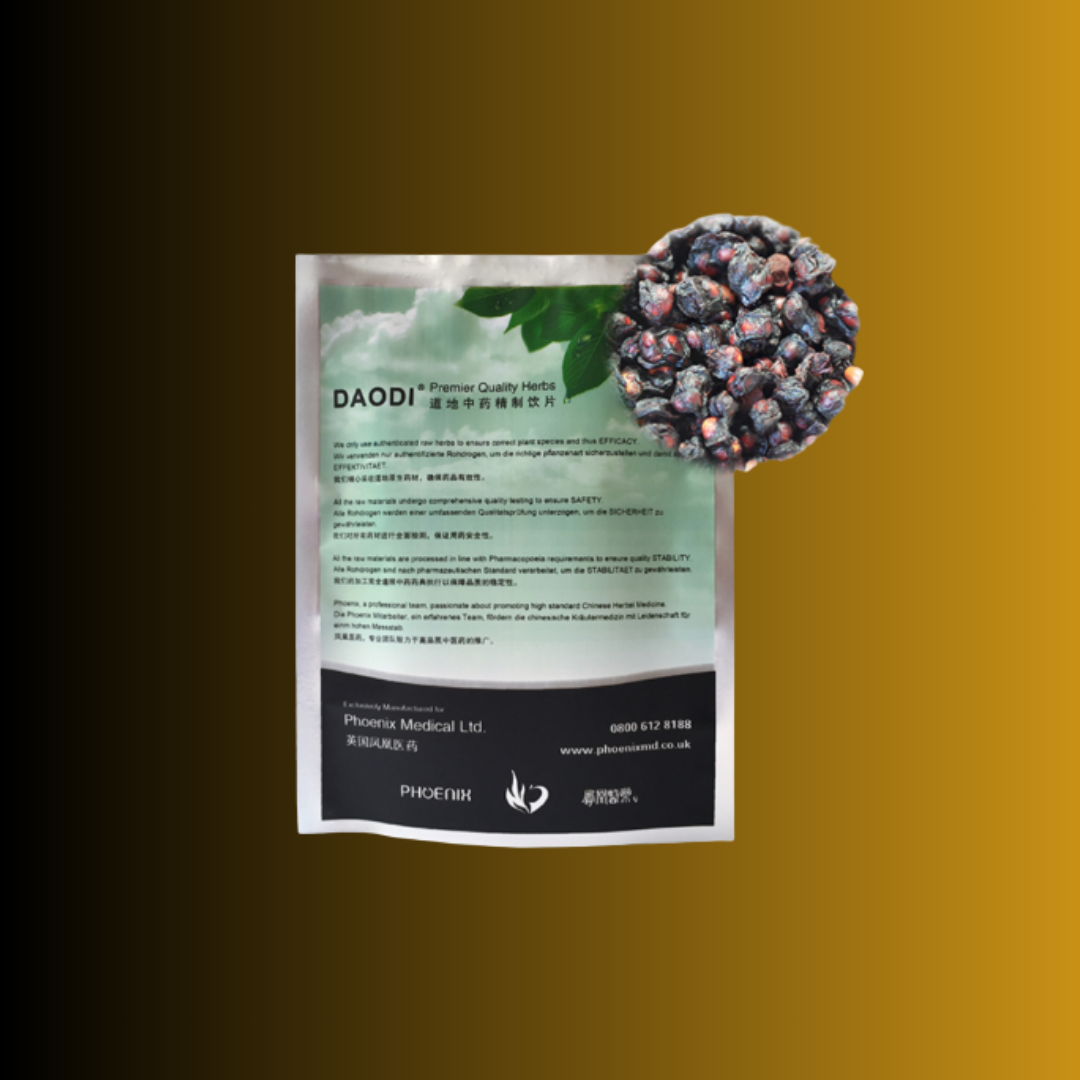
- Schisandra (Wu Wei Zi): Known as the “five flavour fruit,” it tonifies the lungs and kidneys, and stabilises mood.
These herbs can be taken as teas, tinctures, or part of a personalised formula from a qualified TCM practitioner. Think of them as your seasonal talismans—gentle protectors that help you transition with resilience and grace.
Emotional Alchemy: Transforming Grief into Gold
Autumn’s Metal element is linked to the process of refinement—turning base emotions into wisdom. Grief, the emotion associated with the lungs, often surfaces during this time. Whether it’s the loss of summer’s vitality, a personal bereavement, or a general sense of melancholy, TCM encourages us to honour and transform these feelings.
Halloween, too, invites us to confront the shadow. By acknowledging fear and loss, we reclaim power. In TCM, emotional health is not about suppression but flow. When grief is expressed and processed, it clears space for inspiration and clarity.
Tips for emotional balance:
- Write it out: Journaling helps externalise emotions and bring insight.
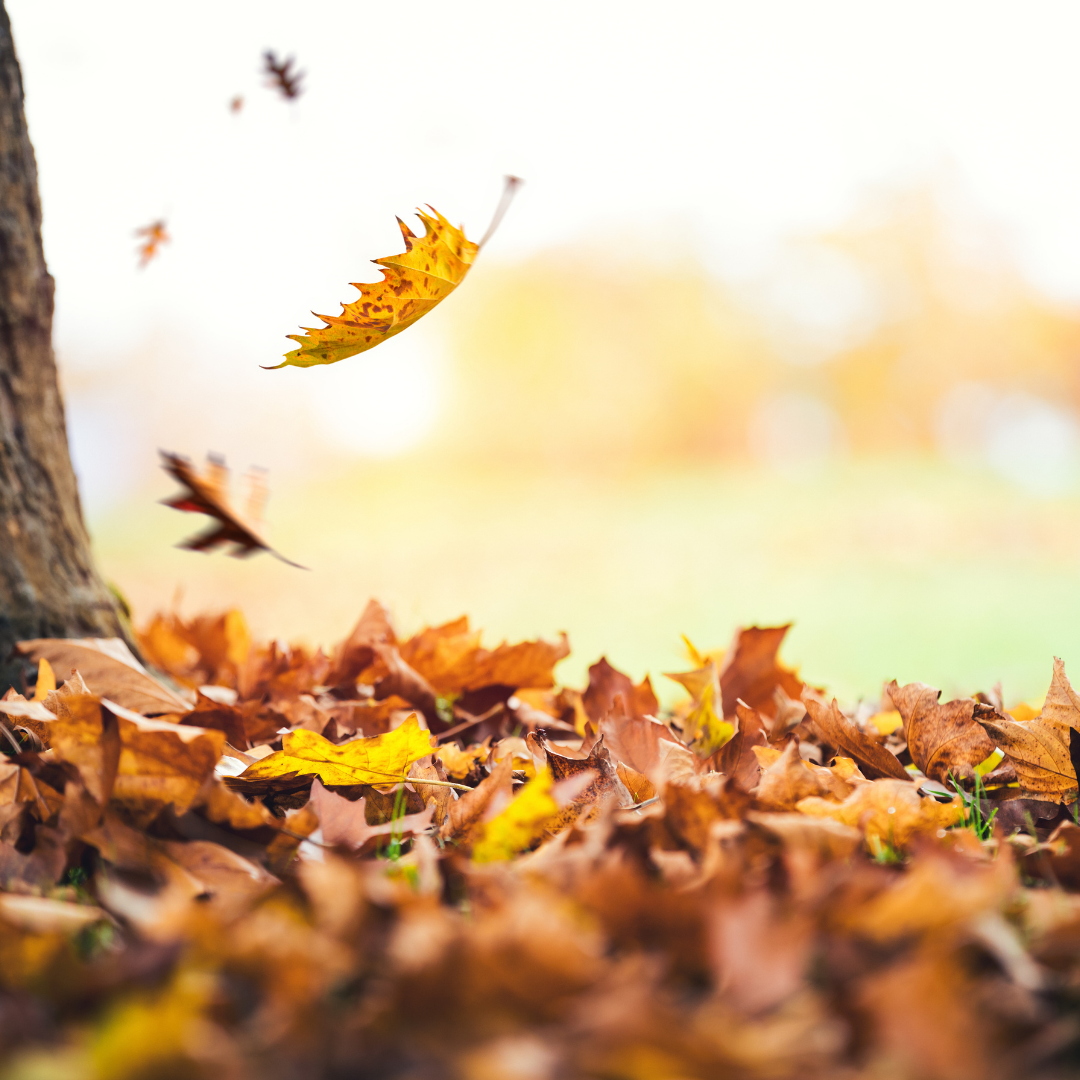
- Connect with nature: Walk among falling leaves, breathe in the crisp air, and observe the cycle of release.
- Seek support: Acupuncture, herbal therapy, and talking with a trusted friend or therapist can help restore emotional equilibrium.
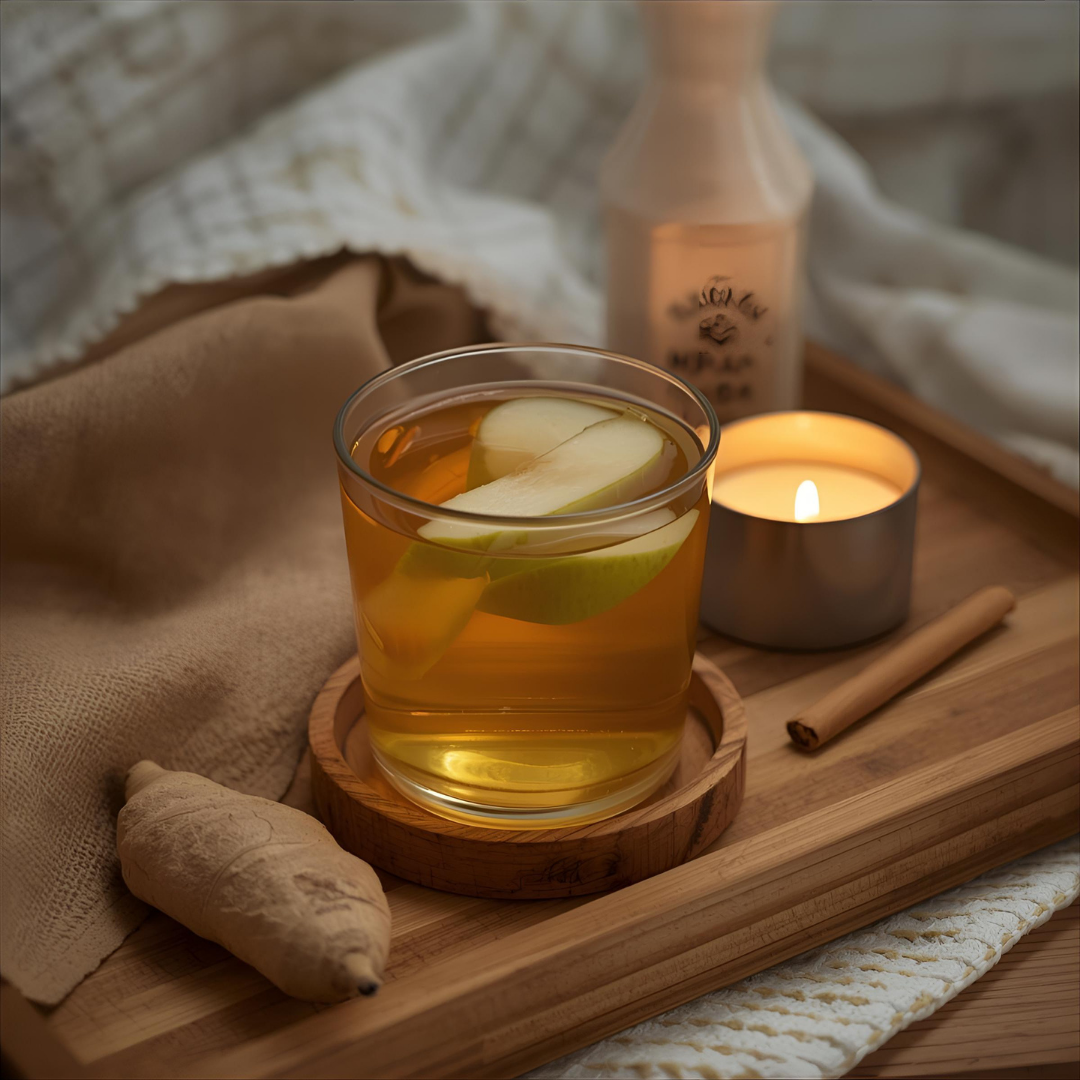
A Seasonal Ritual: Your Autumn Wellness Spell
Why not create your own seasonal ritual that blends Halloween’s mystique with TCM’s wisdom? Here’s a simple one to try:
- Set the scene: Light a candle, brew a cup of pear and ginger tea, and sit comfortably.
- Reflect: Write down what you wish to release—habits, thoughts, or emotions.
- Breathe: Practise 10 deep breaths, imagining each exhale carrying away what no longer serves you.
- Burn or bury: Safely burn the paper or bury it in the earth as a symbolic act of letting go.
- Close with gratitude: Thank your body, your breath, and the season for its lessons.
This ritual honours both the protective and transformative energies of Halloween and the introspective, healing nature of autumn in TCM.
Embrace the Season, Embrace Yourself
As Halloween approaches and autumn deepens, we are reminded that transformation is not just about costumes and candles—it’s about aligning with nature, honouring our emotions, and caring for our bodies. By bridging Western and Eastern traditions, we can create a holistic approach to seasonal wellness that is both grounded and magical.
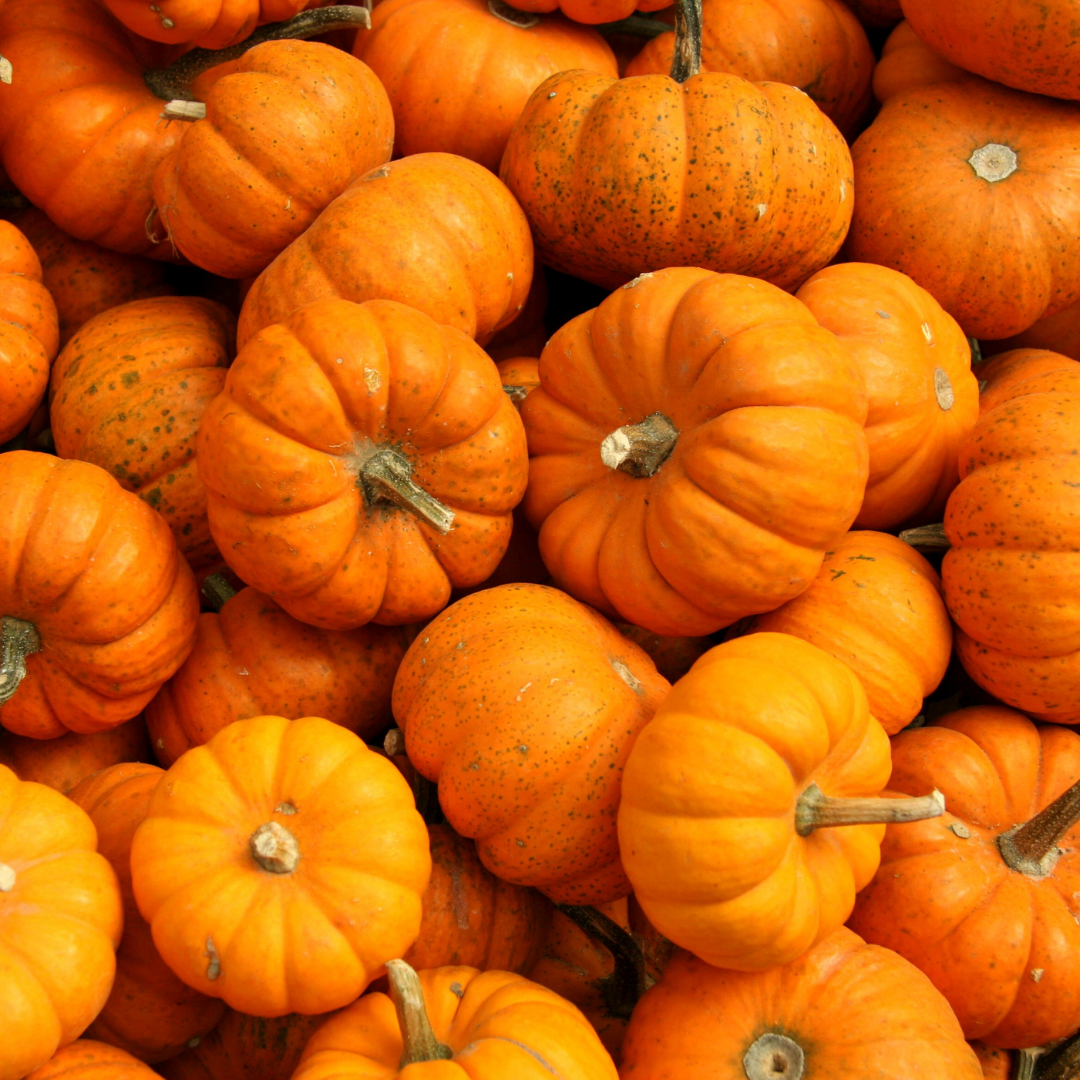
So this October, as you carve your pumpkin and sip your herbal brew, remember: balancing yin and yang isn’t just ancient wisdom—it’s your key to thriving through the season’s shadows and into winter’s light.

FAQ
1. Why is autumn considered a significant season in Traditional Chinese Medicine (TCM)?
Autumn is associated with the Metal element in TCM, which governs the lungs and large intestine. It’s a time of contraction and introspection, when nature sheds what’s no longer needed. TCM encourages us to mirror this process by letting go of emotional and physical burdens, supporting lung health, and preparing for winter’s deeper yin energy.
2. How does Halloween relate to TCM principles?
Halloween’s themes of transformation, protection, and confronting the unknown resonate with TCM’s autumnal focus on emotional release and energetic balance. Just as Halloween rituals symbolise protection and change, TCM practices help us navigate seasonal transitions by harmonising yin and yang and strengthening our qi.
3. What are common health concerns during autumn, and how can TCM help?
Dryness, fatigue, and grief are common in autumn due to cooler air and reduced daylight. TCM addresses these through herbal remedies, dietary adjustments (like warm, moistening foods), and practices such as acupuncture and qigong to support lung function and emotional wellbeing.
4. Which herbs are recommended in TCM for autumn wellness?
Herbs like astragalus (Huang Qi), white peony root (Bai Shao), licorice root (Gan Cao), and schisandra (Wu Wei Zi) are often used to boost immunity, soothe the lungs, and stabilise mood. Always consult a qualified TCM practitioner for personalised guidance.
5. How can I balance yin and yang during the autumn season?
Focus on warming foods, adequate rest, emotional reflection, and protective clothing. Engage in gentle movement like tai chi or qigong, and consider seasonal rituals that help you release old patterns and embrace change—just as nature does.