


As the golden leaves of autumn give way to the stark stillness of winter, nature invites us to pause, reflect, and restore. In Traditional Chinese Medicine (TCM), this seasonal shift is not just a change in weather—it’s a profound opportunity to align with the rhythms of the Earth and nurture our deepest reserves. Winter is the season of the Water element, governed by the Kidneys, the root of vitality and longevity. By embracing rest, conserving energy, and nourishing our Kidney Qi, we can enter the colder months with resilience and grace.
Let’s explore how to prepare for winter with the wisdom of Chinese medicine—complete with warming recipes, herbal teas, and lifestyle practices to help you thrive through the yin of the year.
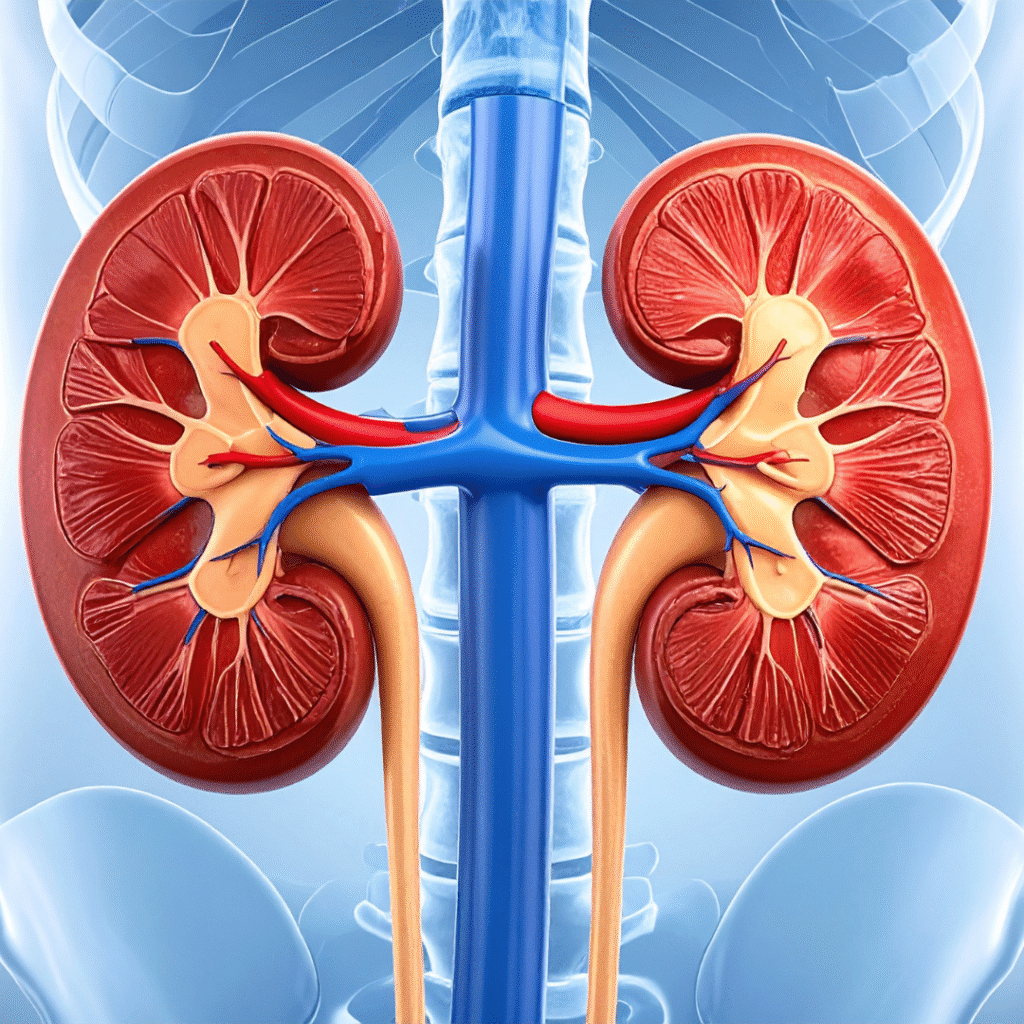
The Wisdom of Winter in Chinese Medicine
In TCM, each season corresponds to an element, organ system, and emotional tone. Winter is ruled by the Water element, which governs the Kidneys and Bladder. These organs are seen as the storehouse of our Jing—our essence, inherited at birth and gradually depleted over time. Jing fuels growth, reproduction, and vitality, and winter is the time to protect and replenish it.
This is the most yin time of year: dark, cold, inward, and still. Just as animals hibernate and trees draw their energy inward, we too are encouraged to slow down, sleep more, and conserve our energy. Overexertion, stress, and lack of rest during winter can deplete Kidney energy, leading to fatigue, lower back pain, weakened immunity, and even premature ageing.

Rest Is Medicine: Embracing the Art of Slowing Down
In our fast-paced modern world, slowing down can feel counterintuitive—but winter demands it. Here’s how to honour the season’s call for stillness:
- Prioritise sleep: Aim for 8–9 hours a night. Go to bed earlier and wake with the sun.
- Embrace quiet: Reduce stimulation. Swap screen time for journaling, meditation, or gentle music.
- Reflect and plan: Winter is a time for introspection. Use this season to set intentions for the year ahead.
Think of winter as the fertile soil in which the seeds of spring are planted. Without adequate rest now, we risk burnout when the energy of spring calls us to action.
Nourish to Flourish: Kidney-Loving Foods
Warming, salty, and deeply nourishing foods are ideal for winter. In TCM, the flavour associated with the Kidneys is salty, and the cooking method of choice is slow and low—think stews, soups, and broths.
Here are some Kidney-nourishing foods to include in your winter diet:
- Black beans, kidney beans, and adzuki beans: Rich in minerals and support Kidney function.
- Seaweed and kelp: Naturally salty and mineral-rich.
- Bone broth: A powerhouse for replenishing Jing and supporting the bones.
- Dark leafy greens: Such as kale and cavolo nero, which nourish the blood and support detoxification.
- Root vegetables: Carrots, parsnips, and sweet potatoes ground and warm the body.
- Walnuts and sesame seeds: Excellent for Kidney essence and brain health.
🧑🍳 Try this warming winter congee:
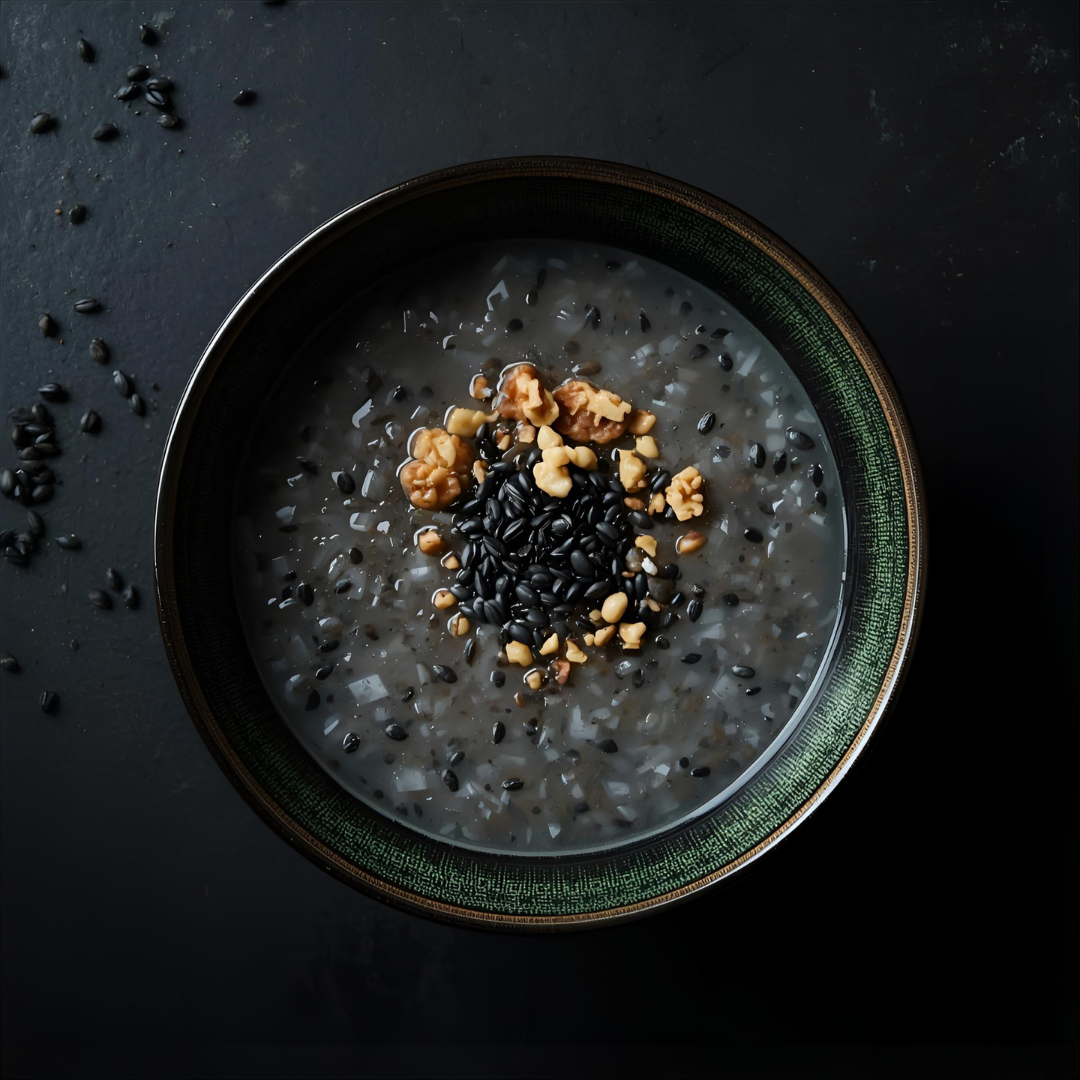
Black Sesame & Walnut Congee
- ½ cup short-grain rice
- 1 tbsp black sesame seeds
- 1 tbsp crushed walnuts
- 4 cups water or bone broth
- Pinch of sea salt
- Optional: drizzle of honey or a few goji berries
Simmer all ingredients on low heat for 45–60 minutes until creamy. This congee is a gentle, nourishing breakfast that supports Kidney essence and warms the core.
Herbal Teas to Support Winter Wellness
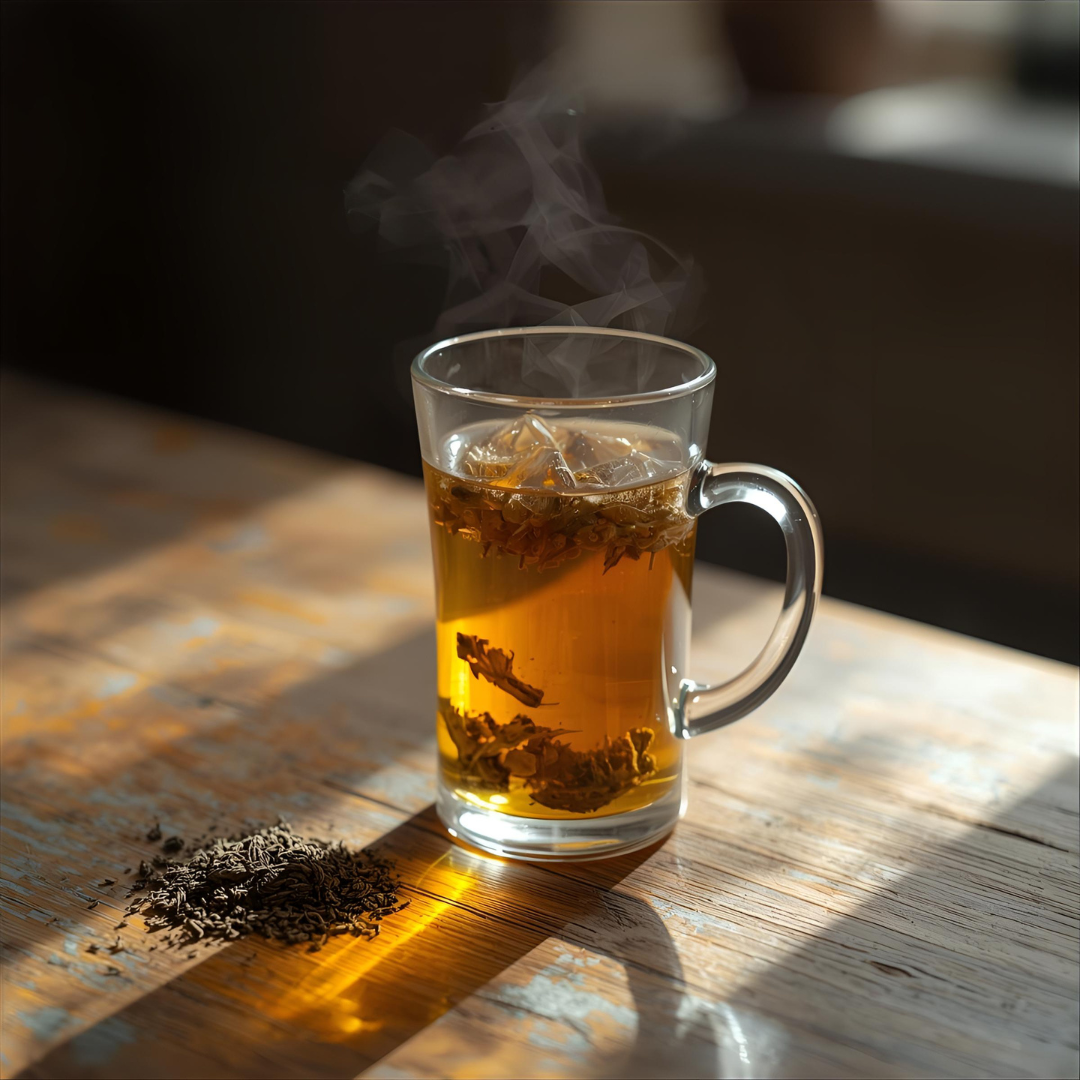
Herbal teas are a simple yet powerful way to support your body through the cold months. Here are a few blends aligned with the Water element:
- Ginger & Cinnamon Tea: Warms the interior, supports digestion, and dispels cold.
- Goji Berry & Red Date Tea: Nourishes blood and supports the Kidneys and Liver.
- Liquorice Root & Astragalus: Strengthens Qi and supports immunity (consult a practitioner before use if you have high blood pressure).
Tip: Sip your tea slowly, mindfully, and warm. Avoid iced drinks and raw foods, which can weaken digestion and deplete energy.
Lifestyle Practices for Kidney Vitality
Beyond food and rest, winter is a time to cultivate inner strength and resilience. Here are some TCM-inspired practices to support your Kidney Qi:
- Keep warm: Especially your lower back and feet. Wear layers and avoid sitting on cold surfaces.
- Gentle movement: Swap high-intensity workouts for tai chi, qigong, or yin yoga. These practices move Qi without depleting your reserves.
- Breathe deeply: Kidney energy is linked to willpower and fear. Deep breathing calms the nervous system and strengthens inner resolve.
- Stimulate the Kidney meridian: Gently massage the area just below the ball of your foot (Kidney 1 point) to ground and revitalise.

Emotional Harmony: The Spirit of Water
In TCM, each element also governs emotions. Water is associated with fear and willpower. When Kidney energy is strong, we feel calm, courageous, and adaptable. When depleted, we may feel anxious, fearful, or overwhelmed.
Winter is a time to cultivate trust—in ourselves, in the cycles of life, and in the unknown. Journaling, therapy, or simply talking with a trusted friend can help process emotions and build emotional resilience.

Final Thoughts: Flow with the Season
Winter isn’t something to endure—it’s something to embrace. By aligning with the wisdom of Chinese medicine, we can transform this season into a time of deep nourishment, reflection, and renewal.
So, wrap yourself in a woolly jumper, sip a steaming cup of ginger tea, and let the stillness of winter restore your spirit. Your spring self will thank you.

FAQ
- Why is winter associated with the Kidneys in Chinese medicine?
In Traditional Chinese Medicine, winter corresponds to the Water element, which governs the Kidneys and Bladder. The Kidneys are considered the root of vitality, storing our Jing (essence) and regulating growth, reproduction, and ageing. Winter is a time to conserve and nourish Kidney energy through rest, warming foods, and gentle practices.
- What are the best foods to eat during winter to support my health?
Winter calls for warming, nourishing foods that support the Kidneys and strengthen digestion. Think slow-cooked stews, bone broths, root vegetables, black beans, walnuts, and seaweed. Avoid raw and cold foods, which can weaken your digestive fire and deplete energy.
- How can I boost my immunity naturally during the colder months?
TCM recommends strengthening your Wei Qi (defensive energy) through rest, proper nutrition, and herbal support. Astragalus, ginger, and cinnamon are commonly used to warm the body and enhance immunity. Acupuncture and moxibustion can also help regulate the immune system and prevent seasonal illnesses.
- What lifestyle changes should I make to align with the season?
Winter is a time to slow down. Prioritise sleep, reduce stress, and engage in gentle movement like tai chi or qigong. Keep your lower back and feet warm, avoid overexertion, and embrace quiet activities such as meditation or journaling to support emotional balance and Kidney health.
- Are there specific herbal teas recommended for winter?
Yes! Herbal teas that warm the body and nourish the Kidneys are ideal. Popular blends include ginger & cinnamon tea, goji berry & red date tea, and liquorice root with astragalus. Always consult a qualified practitioner before starting new herbs, especially if you have underlying health conditions.