
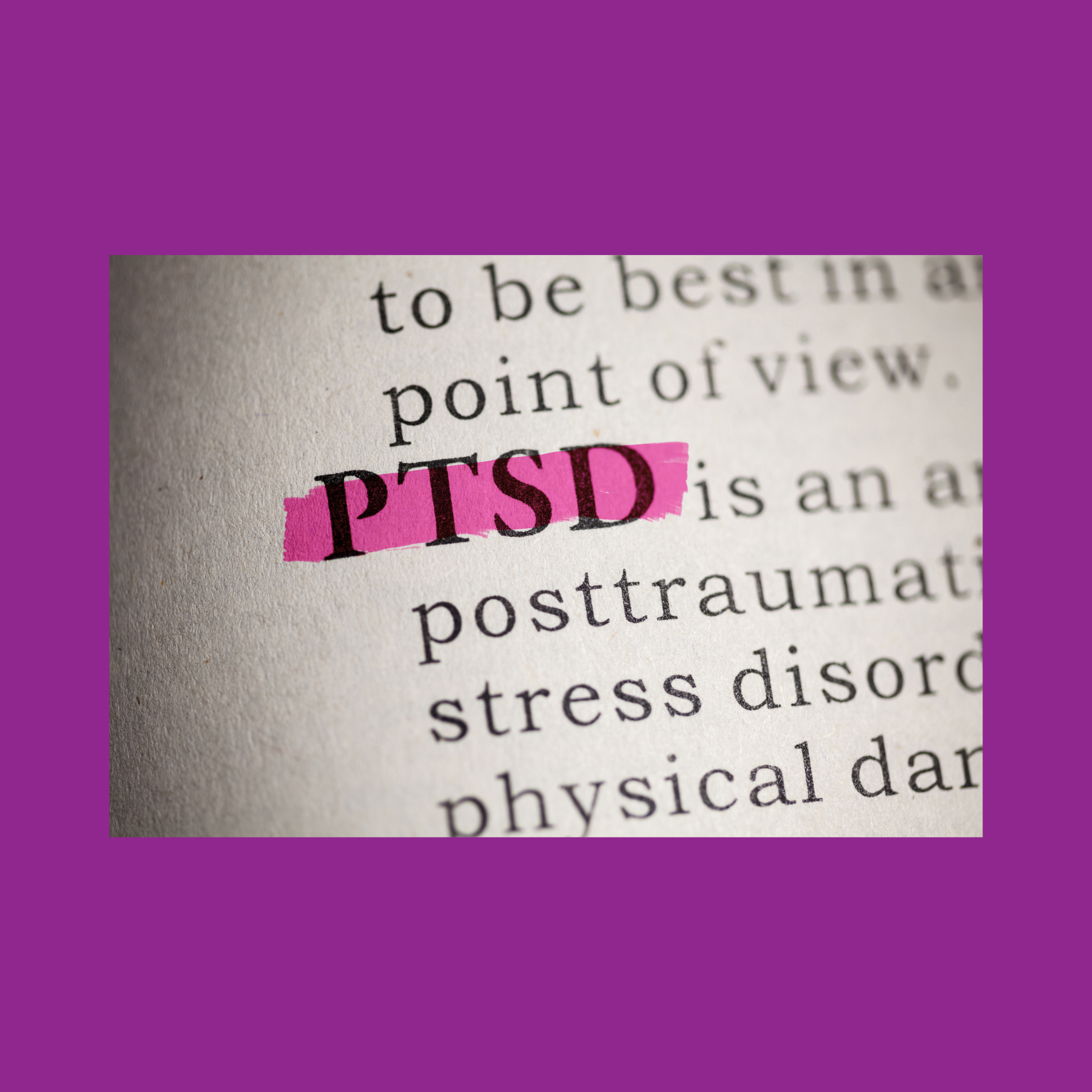
Every year on 27 June, the world pauses for PTSD Awareness Day—a moment to recognise the invisible wounds carried by so many in silence. While trauma may occur in an instant, the effects can linger for months, years, or even decades. Post-Traumatic Stress Disorder (PTSD) is often misunderstood, yet with the right awareness, support, and care—recovery is not just possible, it is profoundly life-changing.
This blog aims to shed light on what PTSD is, who it affects, how to recognise the symptoms, and the growing array of supportive therapies—from counselling and hypnotherapy to Traditional Chinese Medicine (TCM) approaches like acupuncture and Chinese herbal supplements.

What Is PTSD?
Post-Traumatic Stress Disorder (PTSD) is a mental health condition that arises after experiencing or witnessing a traumatic event. These events might include war, physical assault, natural disasters, serious accidents, abuse, or prolonged periods of psychological stress. While fear and distress are natural reactions to trauma, PTSD is diagnosed when those responses persist long after the danger has passed and begin to interfere with daily life.
PTSD does not have a one-size-fits-all face. It can affect anyone, regardless of age, gender, profession, or background. While commonly associated with military veterans, it is equally seen in survivors of domestic violence, first responders, carers, refugees, and even children who have experienced neglect or loss.
Signs and Symptoms
Recognising the symptoms of PTSD is the first step toward healing. The condition manifests across a spectrum, but typical symptoms include:
- Re-experiencing: Nightmares, flashbacks, or intrusive thoughts.
- Avoidance: Steering clear of places, people, or memories associated with the trauma.
- Negative thoughts and mood: Persistent sadness, hopelessness, or feelings of detachment from others.
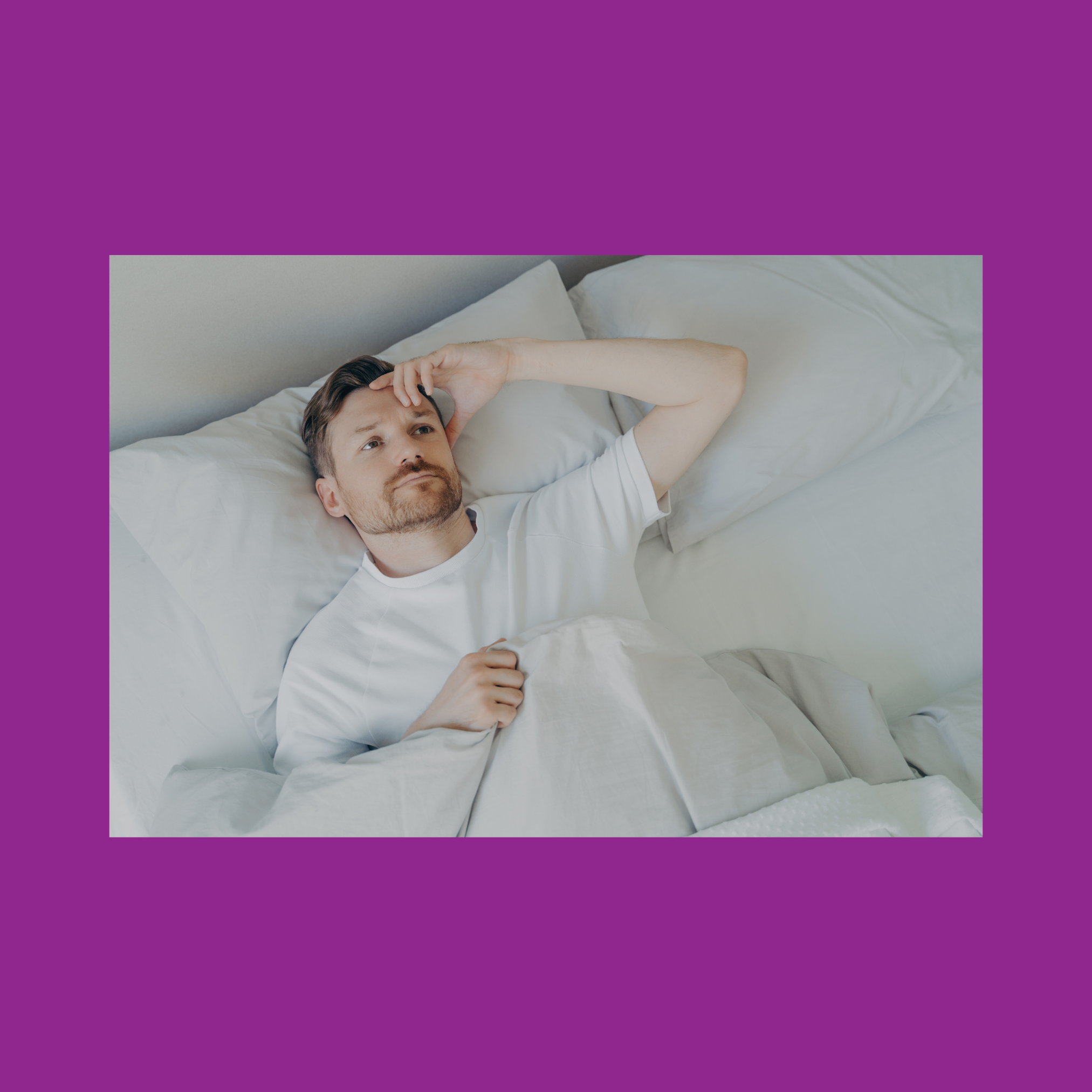
- Hyperarousal: Heightened anxiety, difficulty sleeping, irritability, or being easily startled.
For many, PTSD can also involve physical symptoms such as chronic pain, digestive issues, or fatigue, particularly when the trauma has been internalised over a long period.
Why Awareness Matters
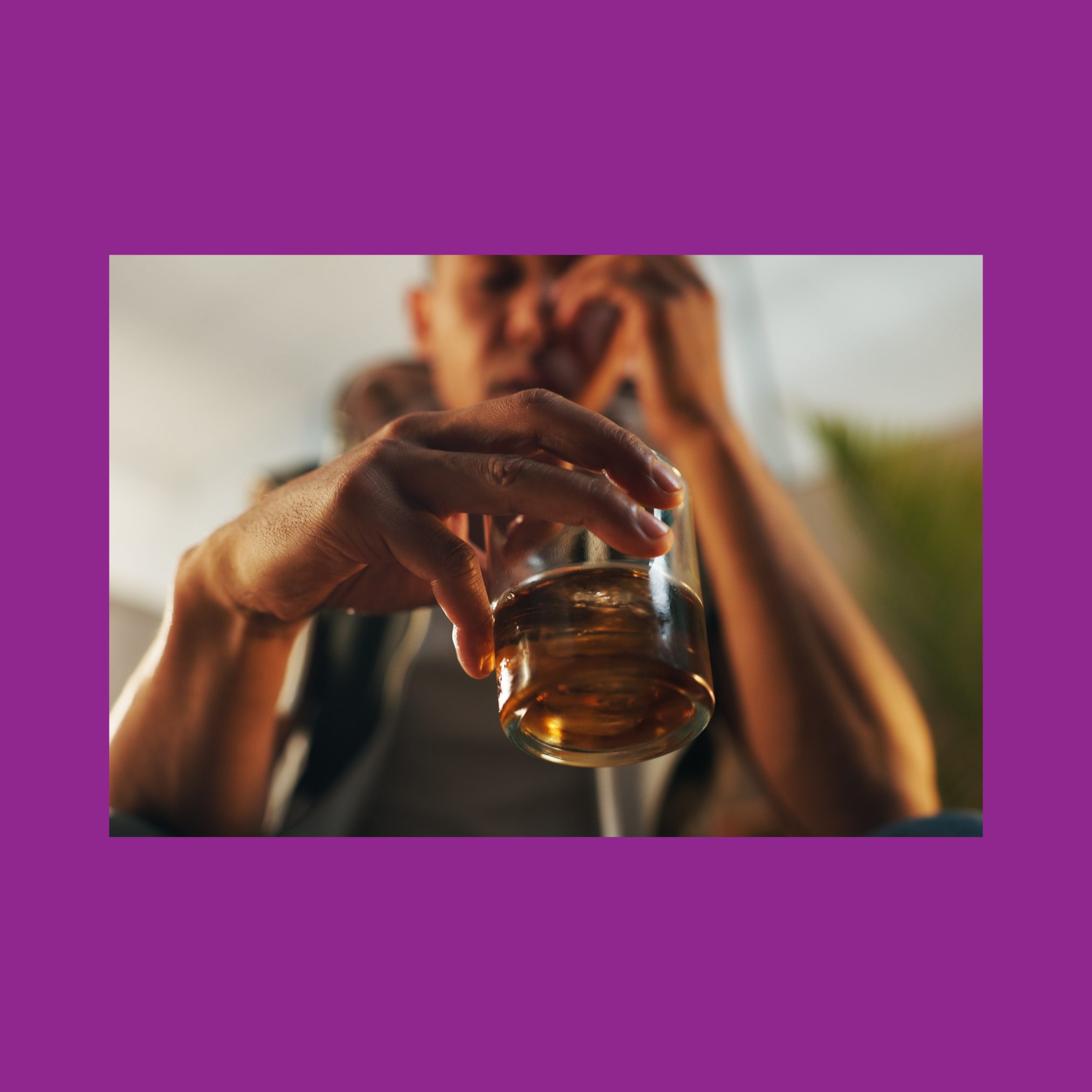
One of the biggest challenges with PTSD is that it often remains unseen—misdiagnosed, misunderstood, or masked by substance misuse, social withdrawal, or workaholism. PTSD Awareness Day provides a crucial platform to combat the stigma surrounding trauma and mental illness and to encourage those suffering in silence to step into the light of support.
Seeking Support: Traditional and Emerging Pathways
Recovery from PTSD is rarely linear, but it is entirely possible. A key part of healing is finding the right kind of support, at the right time. Here are several proven and complementary approaches to consider:

-
Counselling and Talking Therapies
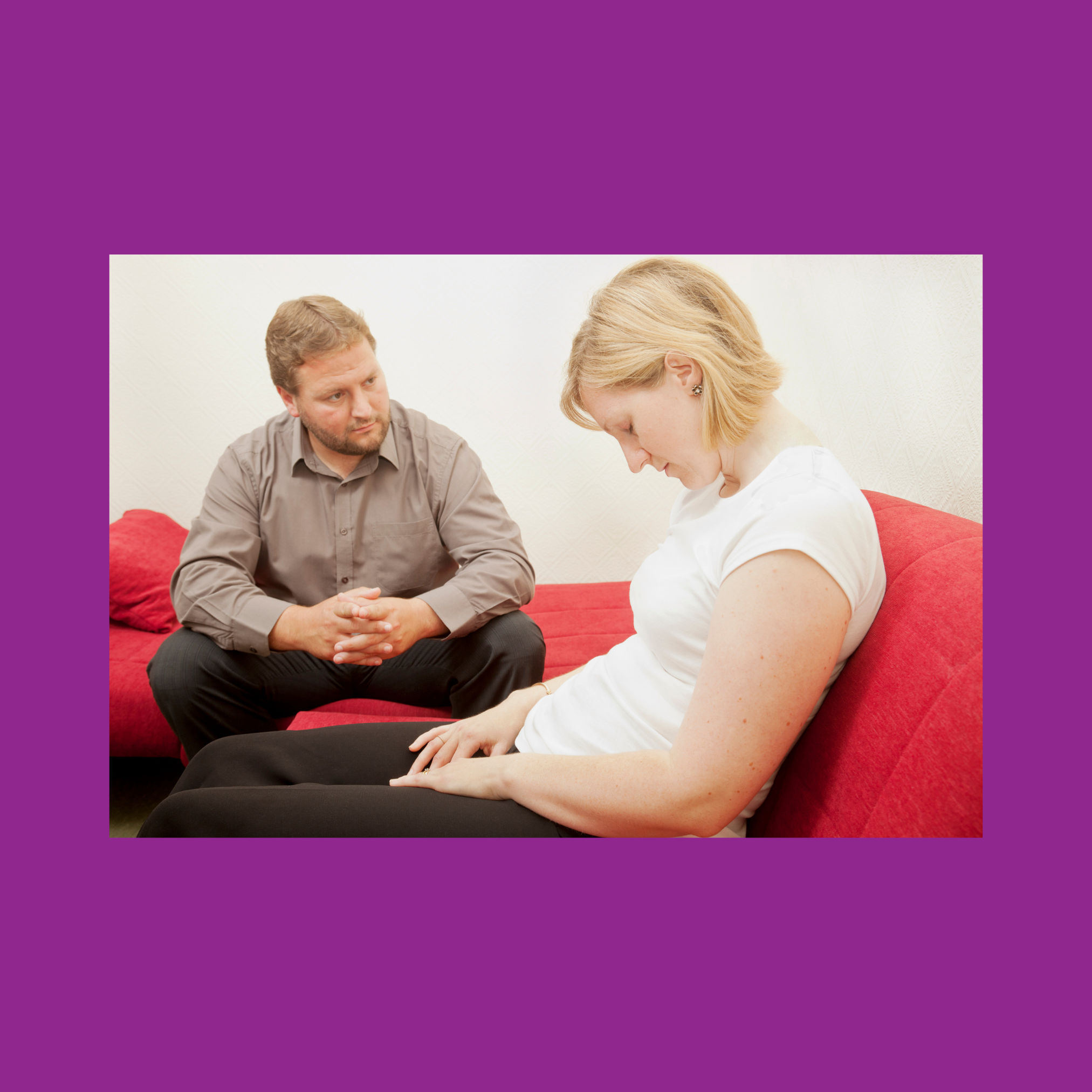
Cognitive Behavioural Therapy (CBT) and Eye Movement Desensitisation and Reprocessing (EMDR) are highly effective in treating PTSD. These therapies help individuals unpack traumatic memories, reframe negative beliefs, and establish safer mental habits. Private or NHS counsellors can tailor support around your specific experience and symptoms.
-
Hypnotherapy
Hypnotherapy for PTSD focuses on relaxation, memory processing, and emotional regulation. In a guided, trance-like state, individuals may revisit the root cause of trauma in a safe, supported way, allowing space to detach from the emotional pain attached to certain memories. Though not a standalone treatment, it can be a powerful complementary tool in a trauma-informed care plan.
-
Traditional Chinese Medicine (TCM)
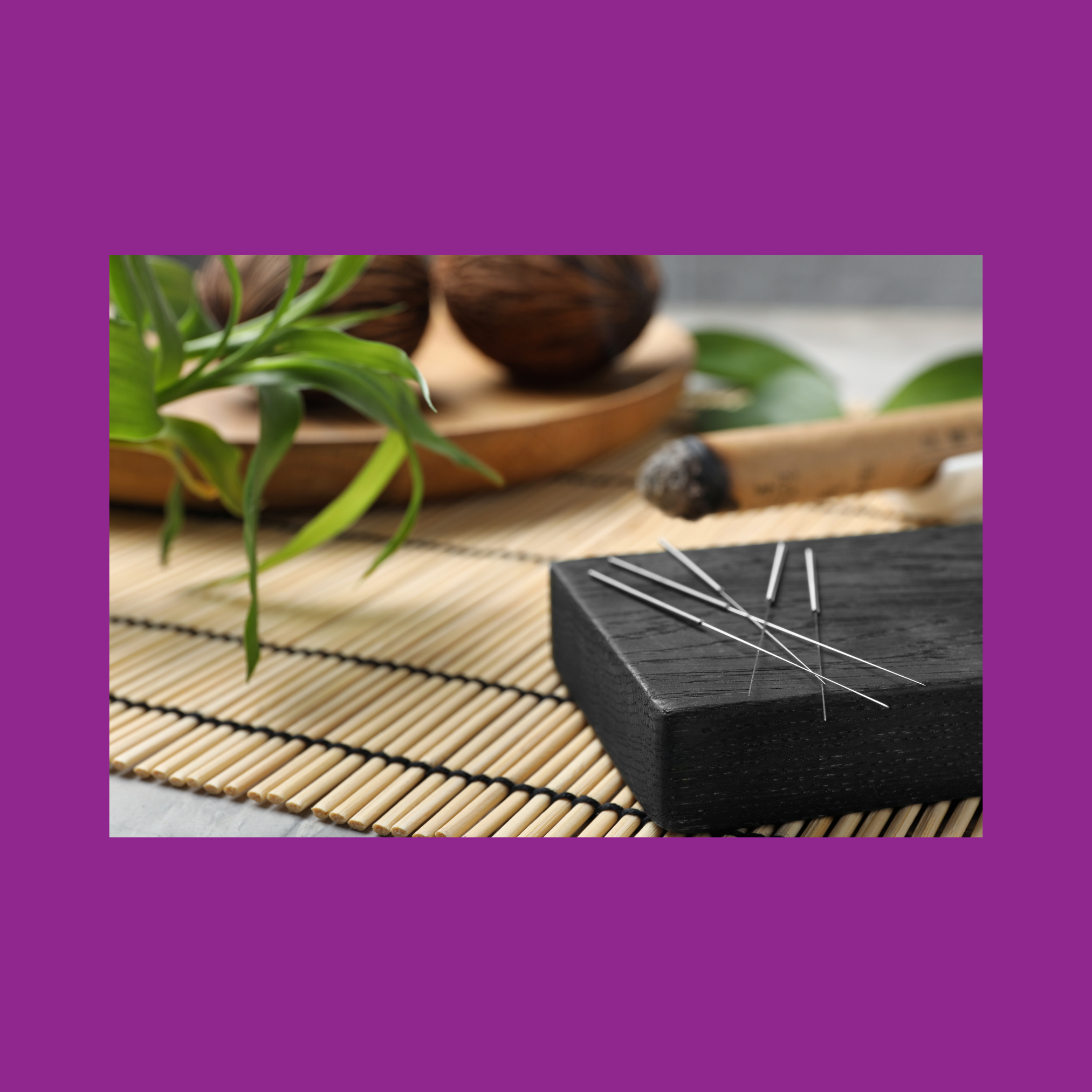
Eastern medicine has long held that trauma doesn’t just impact the mind—it disrupts the energy systems of the body. Acupuncture, a central therapy in TCM, aims to restore energetic balance by stimulating specific meridian points. Research suggests it may reduce symptoms such as insomnia, anxiety, and mood swings in PTSD sufferers by calming the nervous system and encouraging parasympathetic healing.
Chinese herbal supplements may also play a role. Formulas that nourish the Shen (spirit)—such as those including herbs like suan zao ren (Zizyphus) or he huan pi (Silktree bark)—are traditionally used to calm the heart, soothe anxiety, and ease disturbed sleep. As always, a professional herbalist should assess each individual’s constitution and prescribe accordingly.
-
Somatic and Movement Therapies
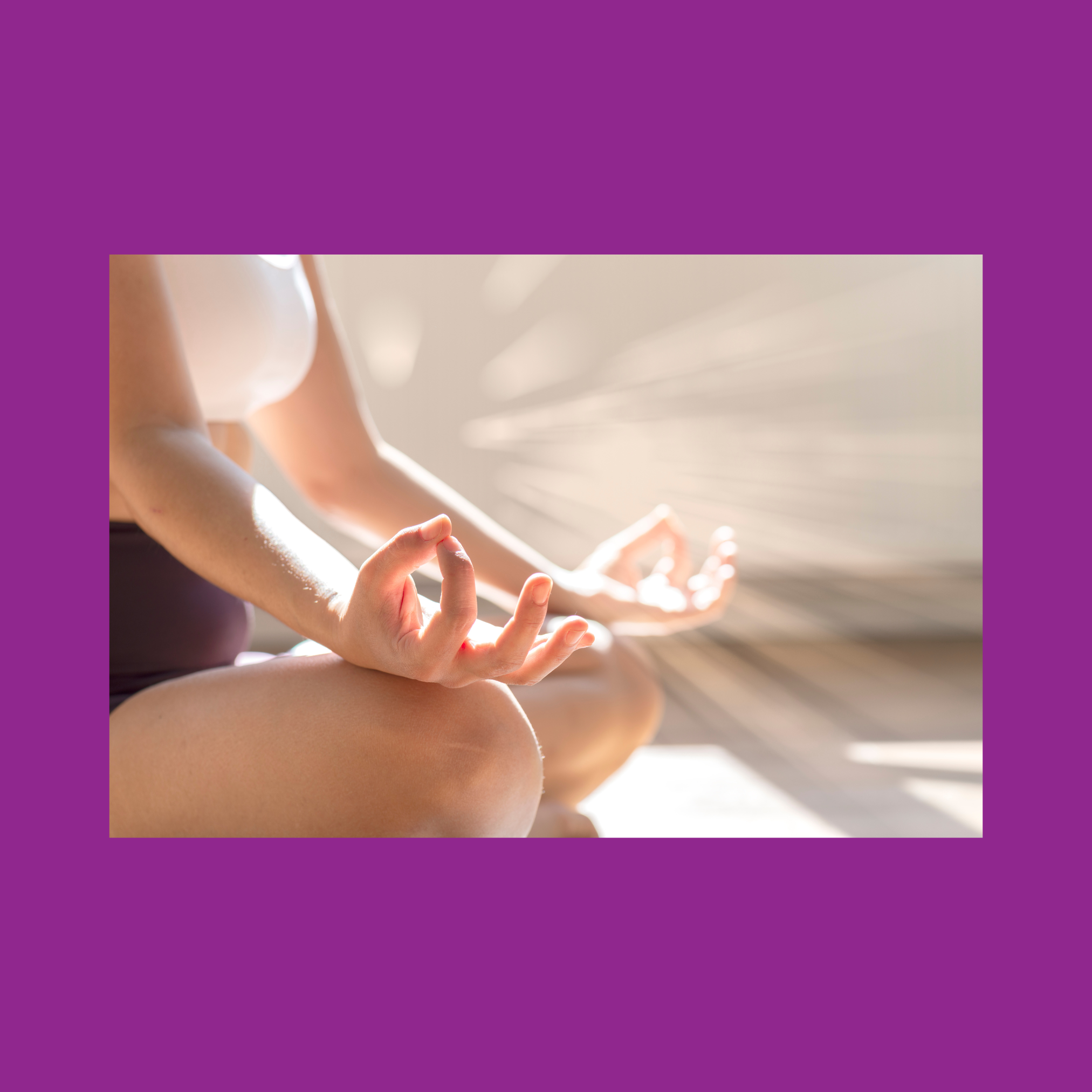
Trauma is stored not only in memory but in the body. Practices such as yoga, tai chi, and qi gong offer gentle ways to reconnect with the body, discharge stress, and cultivate inner stillness. These approaches, especially when paired with breathwork, can lower cortisol levels and rebuild a sense of safety in the self.
Where to Get Help
- GPs and NHS Mental Health Services: Your local health provider can guide you to appropriate therapy, group sessions, or medication options.
- Veterans’ Charities: Organisations such as Combat Stress and Help for Heroes offer trauma-specific support for ex-service personnel.
- Refuge and Domestic Abuse Services: Survivors of domestic trauma can find support via Refuge, Women’s Aid, or similar community services.
- Holistic Practitioners and TCM Clinics: Reputable acupuncturists and herbal specialists with experience in trauma care can offer alternative routes to wellbeing.
- Online Resources: Mind UK, PTSD UK, and the British Association for Counselling and Psychotherapy (BACP) have helplines, toolkits, and therapy directories.
Coping Tips for Daily Life
Healing from trauma is both an emotional and practical process. Here are small steps that can make a meaningful difference:
- Create a daily routine to restore structure and predictability.
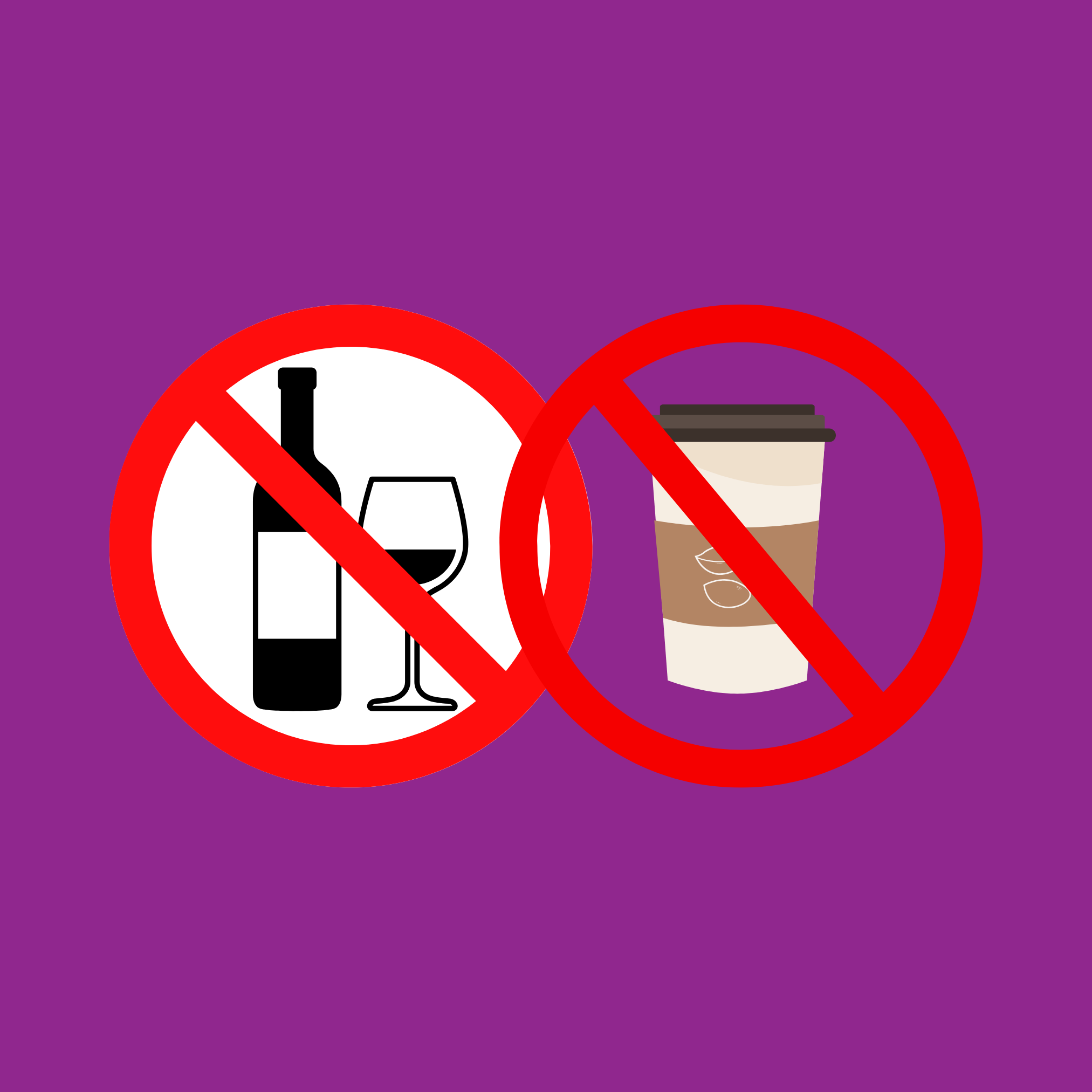
- Limit caffeine and alcohol, which can intensify anxiety or disrupt sleep.
- Keep a journal to track emotions and celebrate progress.
- Establish calming rituals, such as herbal tea before bed or morning meditation.
- Set boundaries and protect your energy—especially in overwhelming environments.
- Celebrate small wins, even if it’s just making it through a tough day.

Words Matter—Be Trauma-Informed
If someone you love is living with PTSD, know that compassion and patience go further than advice. Avoid phrases like “just get over it” or “it wasn’t that bad.” Instead, create space for them to speak when they’re ready. Check in without pressure. Simply saying, “I’m here for you, no matter what,” can be more healing than any solution.
In Closing: Light After the Storm
PTSD Awareness Day serves as a gentle but powerful call to compassion. Whether you’ve experienced trauma yourself or care for someone who has, remember this: healing is not weakness; it is resilience in motion. No trauma defines a person’s worth, and no person is beyond hope.
With holistic approaches like counselling, hypnotherapy, and TCM therapies, we are better equipped than ever to walk this path of recovery with empathy, wisdom, and strength. Let this 27 June be more than a date—it can be a turning point.

FAQ
- What causes PTSD and who is at risk?
PTSD can develop after any deeply distressing or traumatic experience—this could include violence, accidents, natural disasters, combat, or emotional abuse. While veterans are often associated with PTSD, anyone can be affected, including children, emergency responders, survivors of domestic violence, and those who’ve experienced loss or neglect. Trauma doesn’t discriminate. - What are some early signs that someone might be living with PTSD?
Look out for persistent flashbacks, nightmares, heightened anxiety, irritability, and emotional detachment. Avoidance of certain people, places, or memories linked to the trauma is common, as is disrupted sleep. Physical symptoms like fatigue, headaches, or digestive issues may also appear—especially if the trauma is longstanding. - Can Traditional Chinese Medicine (TCM) really help with PTSD symptoms?
Yes, TCM offers a holistic approach to healing trauma by addressing both emotional and physical imbalances. Techniques like acupuncture may help calm the nervous system and regulate emotions, while Chinese herbal supplements such as suan zao ren or he huan pi have long been used to support restful sleep and ease anxiety. It’s not a replacement for conventional care, but a powerful complement. - What role does hypnotherapy play in PTSD recovery?
Hypnotherapy can help individuals access their subconscious mind in a calm, focused state, allowing traumatic memories to be safely processed and reframed. It’s often used to reduce anxiety, improve sleep, and interrupt destructive thought cycles. While not suitable for everyone, many find it a helpful part of their broader treatment strategy. - Where can I find support if I or someone I love may have PTSD?
Start with your GP, who can refer you to NHS mental health services, or explore private counsellors through the BACP (British Association for Counselling and Psychotherapy). Charities like PTSD UK, Mind, and Combat Stress offer excellent resources. For holistic support, consult a qualified TCM practitioner or acupuncturist, especially one with trauma experience.