
In a world where stress, burnout, and chronic health issues are increasingly common, many are turning to holistic systems of healing that address the root of imbalance—not just the symptoms. One such system is Traditional Chinese Medicine (TCM), a time-honoured approach that views the body as an interconnected whole and offers natural, personalised solutions for physical and emotional wellbeing.
Whether you’re new to TCM or considering a career in herbal medicine, this guide will introduce you to its foundational principles, explore five powerful herbs for stress relief, and show how Phoenix Academy of Acupuncture and Herbal Medicine can help you study and practise this ancient art in the modern world.
What Is Traditional Chinese Medicine?
TCM is a comprehensive medical system developed over thousands of years in China. It is based on the observation of nature, the human body, and the dynamic balance between internal and external forces.
Core Concepts:
- Qi (pronounced “chee”): The vital life force that flows through the body’s meridians. Balanced Qi supports health; blocked or deficient Qi leads to illness.
- Yin and Yang: Opposing yet complementary forces (e.g. cold/hot, passive/active). Health is the result of their dynamic balance.
- The Five Elements: Wood, Fire, Earth, Metal, and Water—each linked to organs, emotions, seasons, and more.
- Meridians: Channels through which Qi flows, connecting organs and systems.
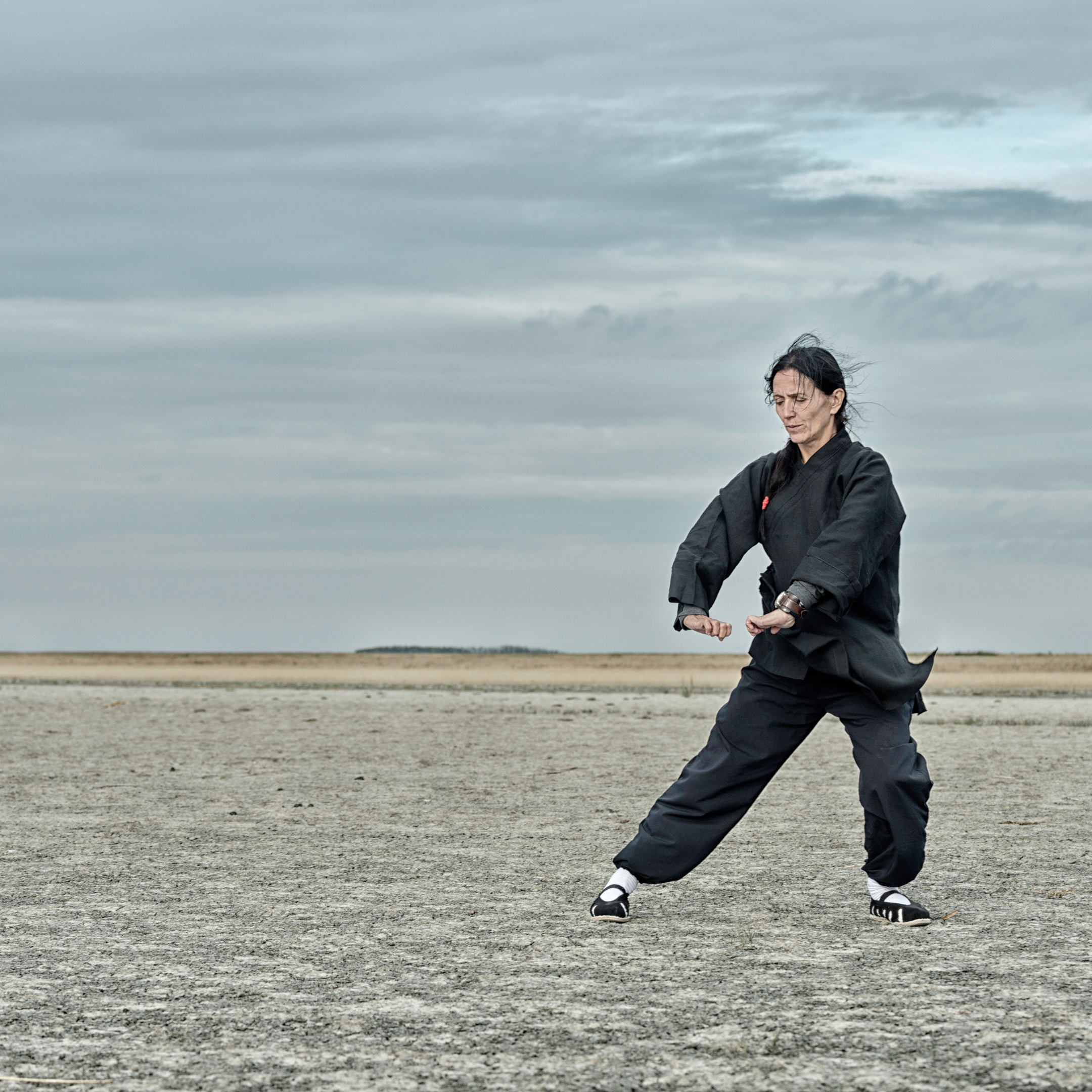
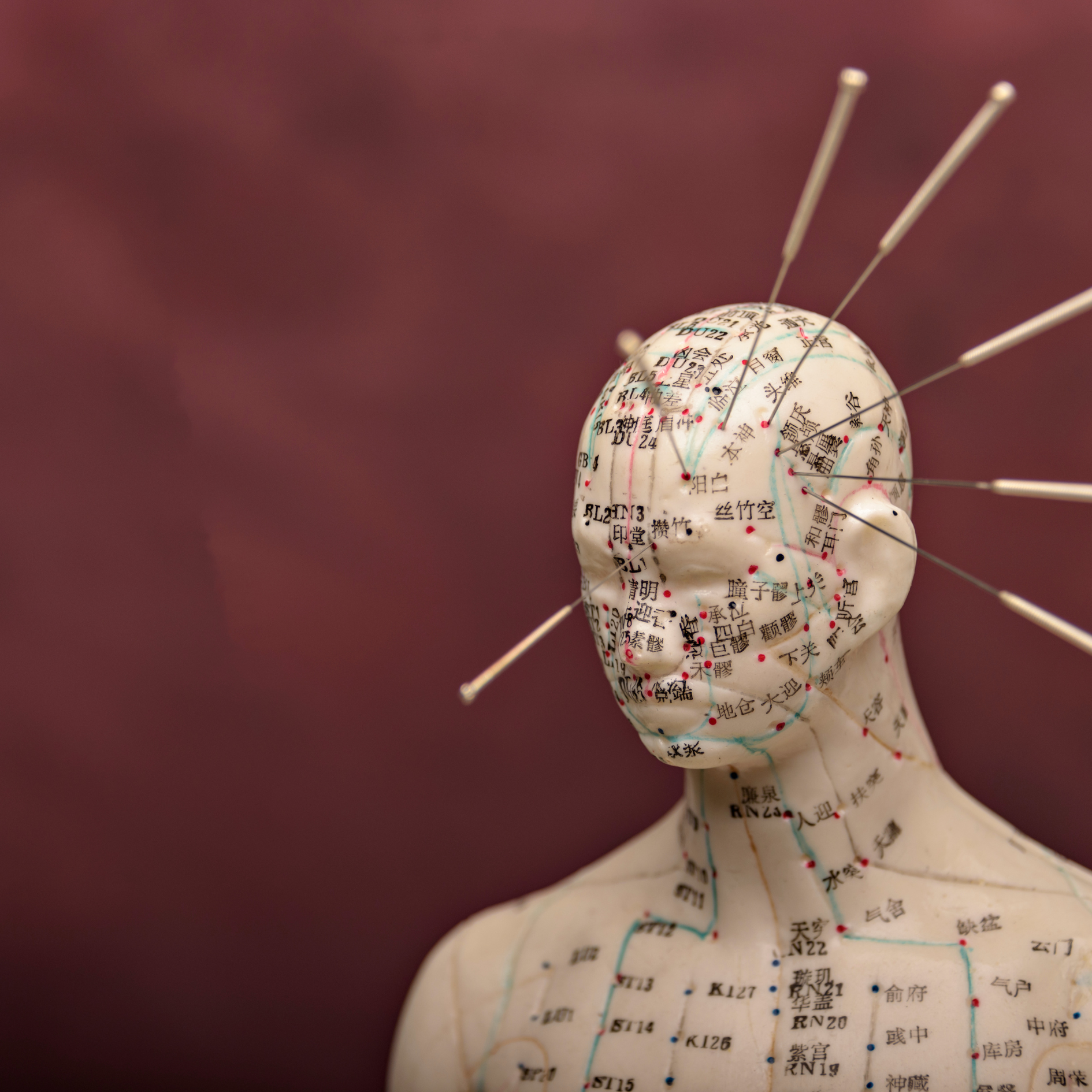
Rather than focusing solely on disease, TCM aims to restore harmony and prevent illness through a combination of therapies including acupuncture, herbal medicine, dietary therapy, qigong, and massage (Tui Na).

Herbal Medicine in TCM
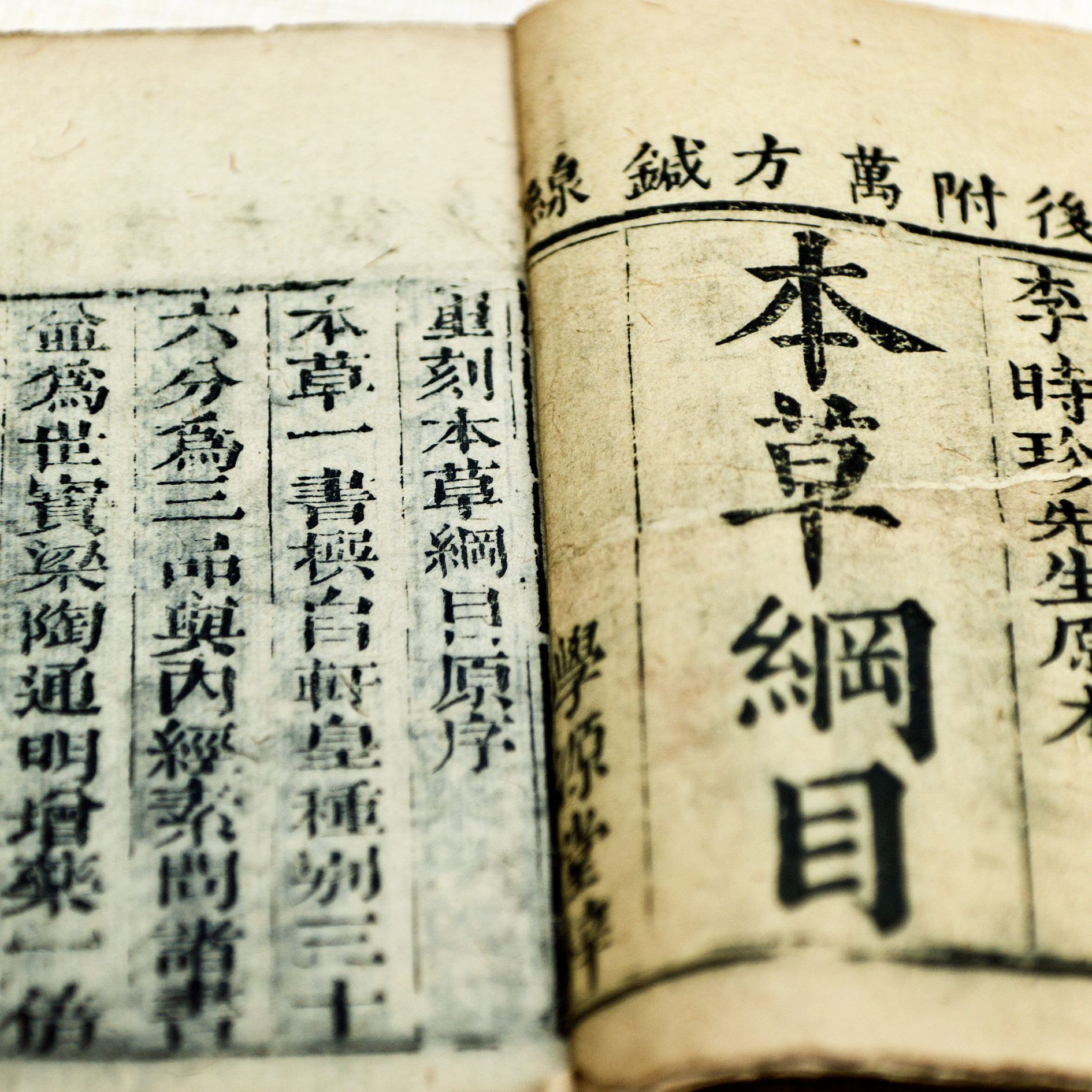
Chinese herbal medicine is one of the most sophisticated herbal systems in the world. It uses hundreds of plant, mineral, and animal substances—often in combination—to treat the root cause of imbalance.
Unlike Western herbalism, which often uses single herbs, TCM formulas are tailored to the individual, taking into account their constitution, symptoms, and underlying patterns.
How TCM Differs from Western Medicine
Top 5 Chinese Herbs for Stress Relief in 2025
Stress is one of the most common modern complaints, and TCM offers a range of herbs known for their calming, adaptogenic, and spirit-nourishing properties. Here are five standout herbs used by practitioners today:
-
Schisandra (Wu Wei Zi)
- TCM Function: Tonifies Qi, calms the Shen (spirit), nourishes the Heart and Kidneys.
- Benefits: Enhances mental clarity, reduces cortisol, supports liver detox.
- Modern Insight: Known as the “five-flavour berry,” Schisandra is an adaptogen that helps the body resist stress and fatigue.
- TCM Function: Nourishes Heart and Liver, strengthens Qi, calms the Shen.
- Benefits: Promotes restful sleep, reduces anxiety, supports immunity.
- Modern Insight: Often called the “mushroom of immortality,” Reishi is prized for its wide-ranging effects on emotional and physical resilience.
-
Bai Zi Ren (Biota Seed)
- TCM Function: Nourishes Heart Yin, calms the Shen, moistens intestines.
- Benefits: Eases insomnia, soothes nervous tension, supports digestion.
- Modern Insight: Ideal for those whose stress manifests as restlessness or poor sleep.
-
Suan Zao Ren (Ziziphus Seed)
- TCM Function: Tonifies Liver Blood, calms the Shen, prevents night sweats.
- Benefits: Reduces anxiety, improves sleep, balances mood.
- Modern Insight: A go-to herb for emotional imbalance, especially in women or those with Liver Qi stagnation.
-
Yuan Zhi (Polygala Root)
- TCM Function: Opens Heart orifices, expels phlegm, calms the Shen.
- Benefits: Clears mental fog, enhances memory, reduces emotional overwhelm.
- Modern Insight: Used in formulas for students, professionals, or anyone under mental strain.
⚠️ Note: These herbs should only be taken under the guidance of a qualified practitioner, as they are often used in combination and tailored to the individual’s needs.
How Phoenix Academy Can Help You Learn and Practise TCM
If you’re inspired by the healing potential of Chinese herbal medicine and want to deepen your understanding—or even become a practitioner—Phoenix Academy of Acupuncture and Herbal Medicine is one of the UK’s leading centres for TCM education.
Why Choose Phoenix Academy?
- Accredited Courses: Including a 3-year Chinese Herbal Medicine Diploma and acupuncture training, recognised by professional bodies such as the RCHM and BAcC.
- Expert Faculty: Learn from experienced practitioners and researchers who bring both classical knowledge and modern clinical insight.
- Hybrid Learning: Flexible online and in-person options to suit your schedule.
- Hands-On Training: Practical experience in diagnosis, herbal formulation, and patient care.
- Supportive Community: Join a network of over 1,000 alumni and practitioners across the UK.
Whether you’re a complete beginner or a healthcare professional looking to expand your skillset, Phoenix Academy offers a pathway to meaningful, holistic practice.

Final Thoughts
Traditional Chinese Medicine offers a rich, nuanced approach to health—one that sees the mind and body as inseparable and healing as a journey, not a quick fix. With the right education and guidance, you can not only benefit from this wisdom personally but also share it with others.
If you’re ready to explore the world of TCM and herbal medicine, Phoenix Academy is here to support your growth—every step of the way.

FAQ
Q1: Can TCM really help with stress and anxiety?
Yes. TCM views emotional health as integral to physical wellbeing. Herbs, acupuncture, and lifestyle changes are used to calm the Shen (spirit) and restore balance.
Q2: Are the herbs mentioned safe to take on my own?
Not necessarily. Chinese herbs are powerful and often used in combination. Always consult a qualified herbalist to ensure safety and effectiveness.
Q3: Do I need a medical background to study at Phoenix Academy?
No. Many students come from diverse backgrounds. A passion for holistic health and a willingness to learn are the most important qualities.
Q4: How long does it take to qualify as a herbalist?
Phoenix Academy’s Chinese Herbal Medicine Diploma is a 3-year programme that includes both theoretical and clinical training.
Q5: How do I apply to study at Phoenix Academy?
Visit the Phoenix Academy website to explore courses, view start dates, and submit your application.