
In our modern world of digital diagnostics and instant prescriptions, it’s easy to forget that some of the most effective remedies have been with us for thousands of years. Traditional Chinese Medicine (TCM), with its roots stretching back more than two millennia, remains as relevant today as ever—offering a holistic approach that treats the root of illness, not just the symptoms.
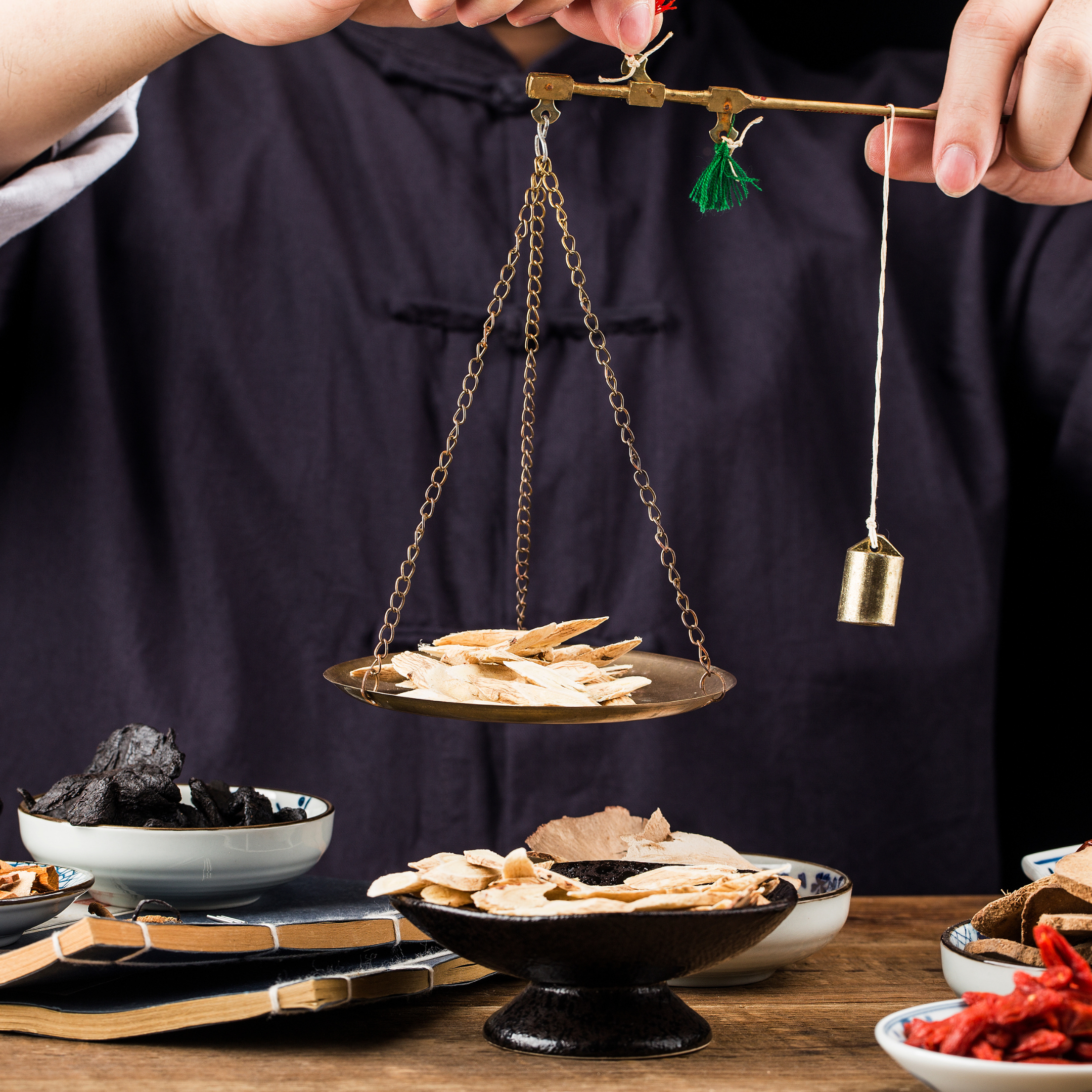
At the heart of this system stands the Chinese herbalist: a skilled TCM practitioner who understands the intricate relationships between body, mind, and spirit. By harnessing the power of nature, they create bespoke formulas that support the body in returning to harmony and health. As increasing numbers of people seek natural and holistic alternatives to Western medicine, Chinese herbal medicine is experiencing a well-deserved renaissance.
What Does a Chinese Herbalist Do?
A Chinese herbalist is far more than someone who dispenses plants. Their work is rooted in a rigorous diagnostic tradition that seeks to understand each patient’s unique pattern of imbalance. At your first consultation, you’re likely to be surprised by the detail and depth of the assessment.
Key responsibilities include:
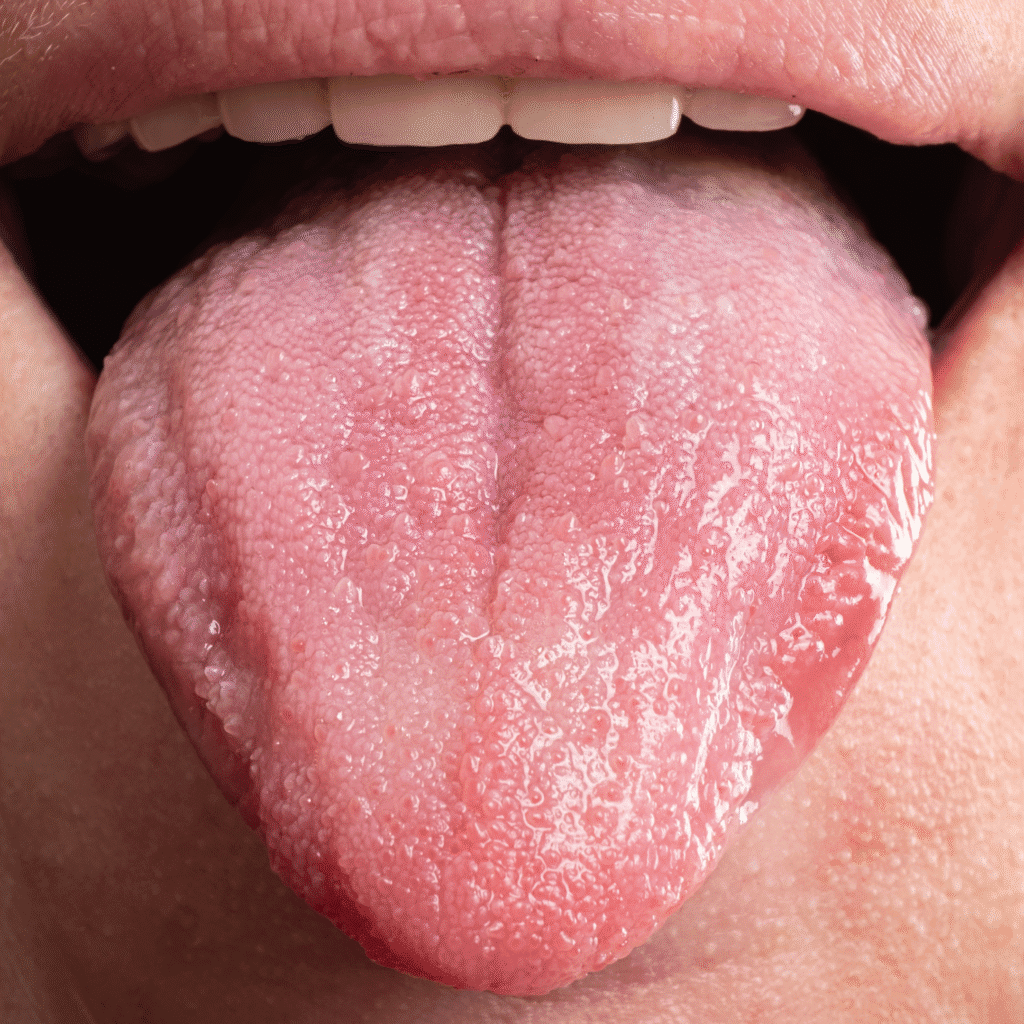
- Comprehensive diagnostic assessment: This goes far beyond asking about your symptoms. The herbalist observes your tongue, takes your pulse at several positions, and asks detailed questions about your digestion, emotions, sleep, energy levels, and more.
- Identification of a TCM pattern: Illness in TCM is understood through patterns—such as Liver Qi stagnation, Spleen Qi deficiency, or Damp Heat in the Lower Burner. Each pattern gives insight into how the body’s internal systems are functioning.
- Prescription of a custom formula: A Chinese herbal formula typically contains 6–15 ingredients. Each herb has a specific function—some to target symptoms, others to support the body’s constitution, and still others to harmonise the blend.
- Ongoing refinement: As your condition evolves, so does your formula. Herbalists continually adjust and fine-tune the prescription to reflect your progress.
TCM isn’t one-size-fits-all. It’s personalised, dynamic, and deeply intuitive—qualities that many modern medical systems are rediscovering and beginning to value once again.
Herbal Medicine in Practice
Chinese herbal medicine is used to treat a wide range of conditions, from minor imbalances to complex, chronic disorders. Here are just a few of the more common concerns that bring people through a herbalist’s doors:
Conditions Commonly Treated
- Digestive issues: From bloating and reflux to IBS and sluggish digestion, Chinese herbs can help regulate the gut and support absorption and elimination.
- Fertility and menstrual imbalances: Herbalists often assist with cycle regulation, PMS, polycystic ovarian syndrome (PCOS), and even IVF support.
- Skin conditions: Eczema, acne, psoriasis and rosacea are viewed as expressions of internal disharmony—particularly involving Heat, Dampness, and toxicity in TCM.
- Emotional and neurological health: Anxiety, stress, insomnia and fatigue are seen through the lens of organ imbalances such as Heart Yin deficiency or Liver Qi stagnation.
- Immune support: Herbs can strengthen the body’s defences, support recovery after illness, and aid in long-term vitality.
Forms of Herbal Medicine
- Raw decoctions: These are combinations of dried herbs that you simmer at home. They’re potent, tailored, and traditional.
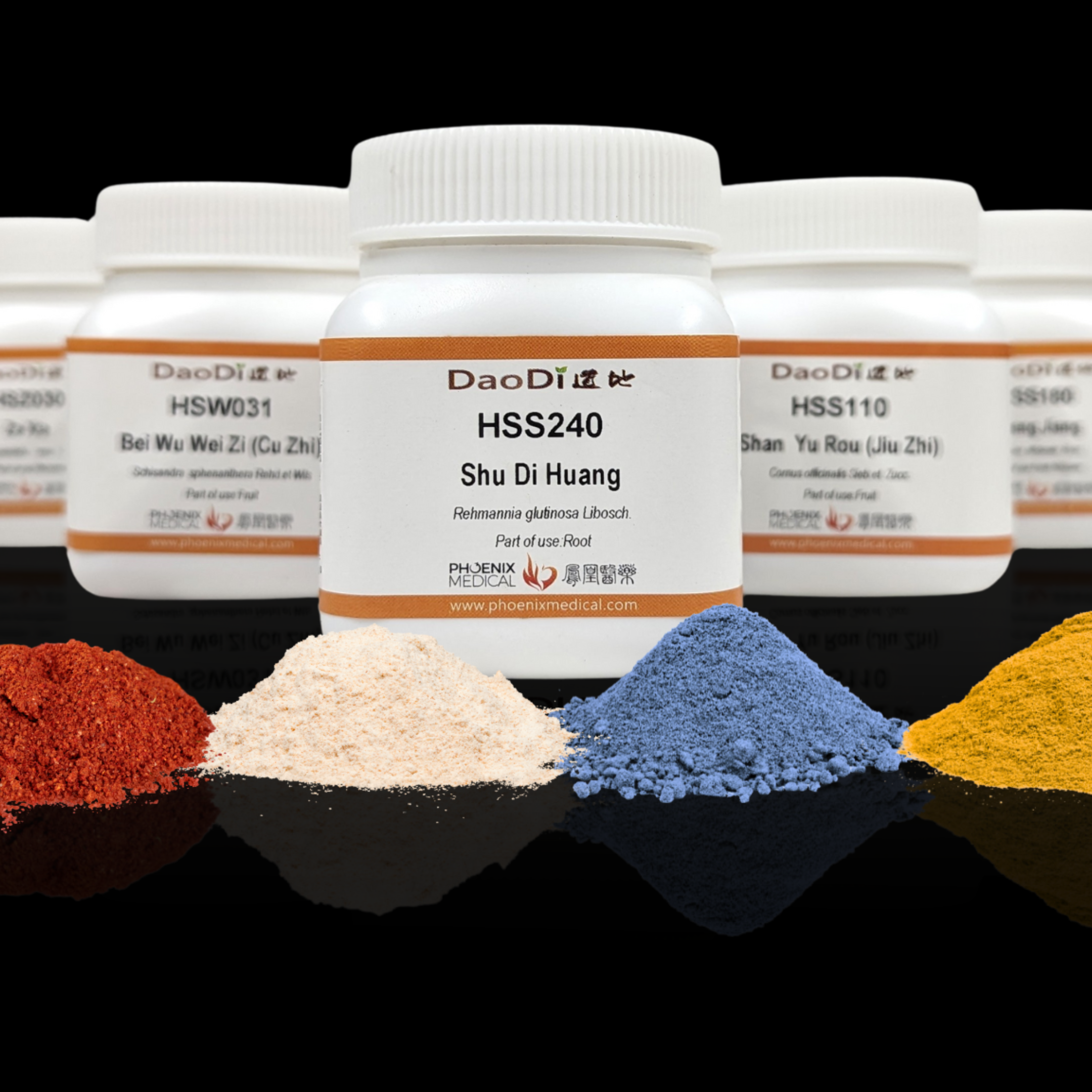
- Powdered or granulated herbs: More convenient than raw decoctions, they dissolve in hot water and are a modern favourite.
- Pills and tinctures: These forms offer ease and portability—ideal for maintenance or follow-up care.
No matter the format, the power of Chinese herbal medicine lies in its synergy—each herb enhancing the others to create a balanced, powerful remedy.
Inside the Herbalist’s Toolkit
Behind every effective herbalist lies a carefully curated toolkit of knowledge and resources:
| Tool | Purpose |
| Materia Medica | A comprehensive reference of herbs, their properties, and uses. |
| Pulse & Tongue Diagnosis | Non-invasive tools to gauge internal imbalances and constitutional strength. |
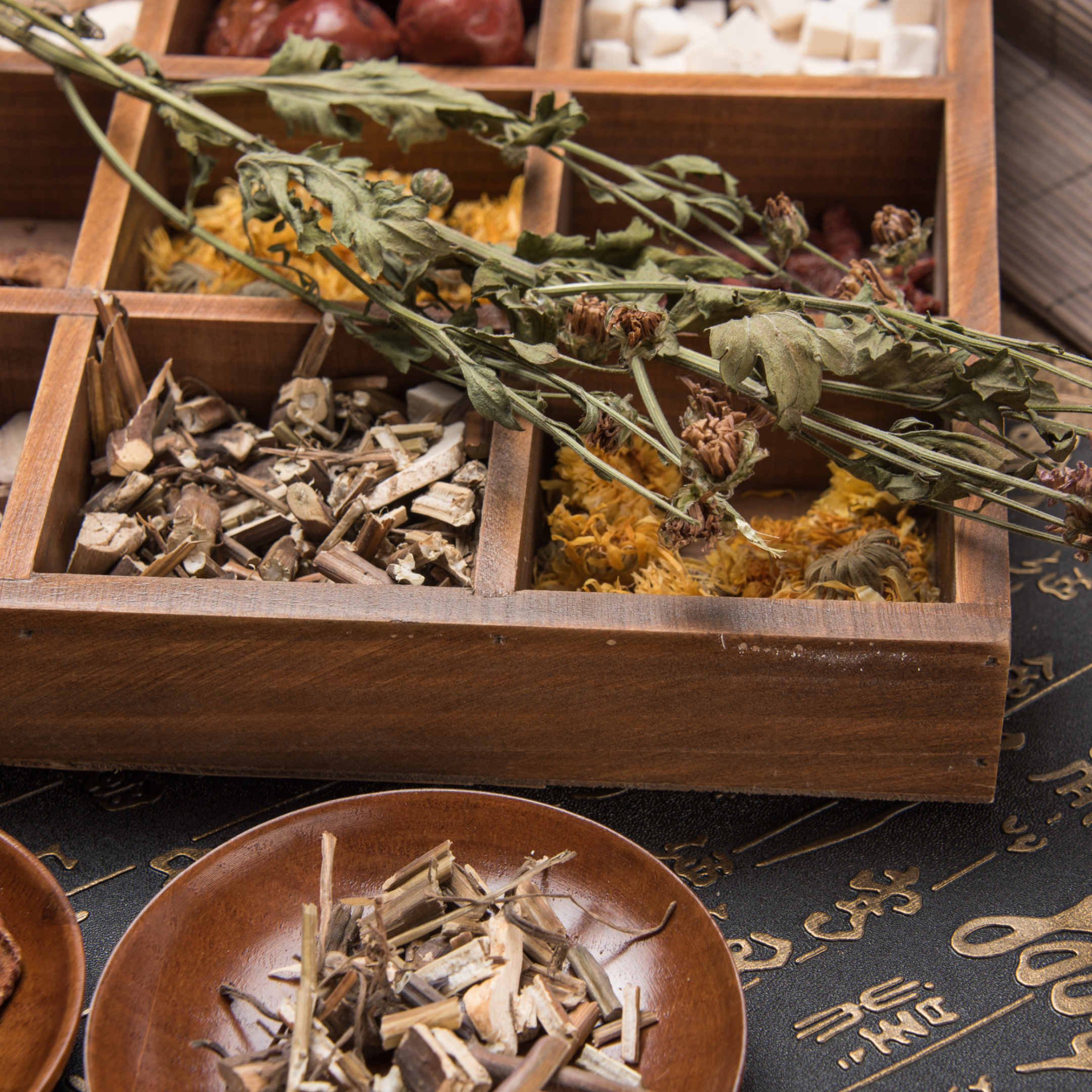
| Herbal Dispensary | A stocked apothecary of dried roots, flowers, barks, and minerals. |
| Patient Records | Tracks patient history, progression, and formula adjustments over time. |
The combination of observation, intuition, and scientific knowledge makes TCM practitioners uniquely equipped to meet the nuances of each individual patient.
Ethics and Sustainability in Herbal Medicine
In our interconnected and climate-conscious world, ethical practice isn’t optional—it’s essential.
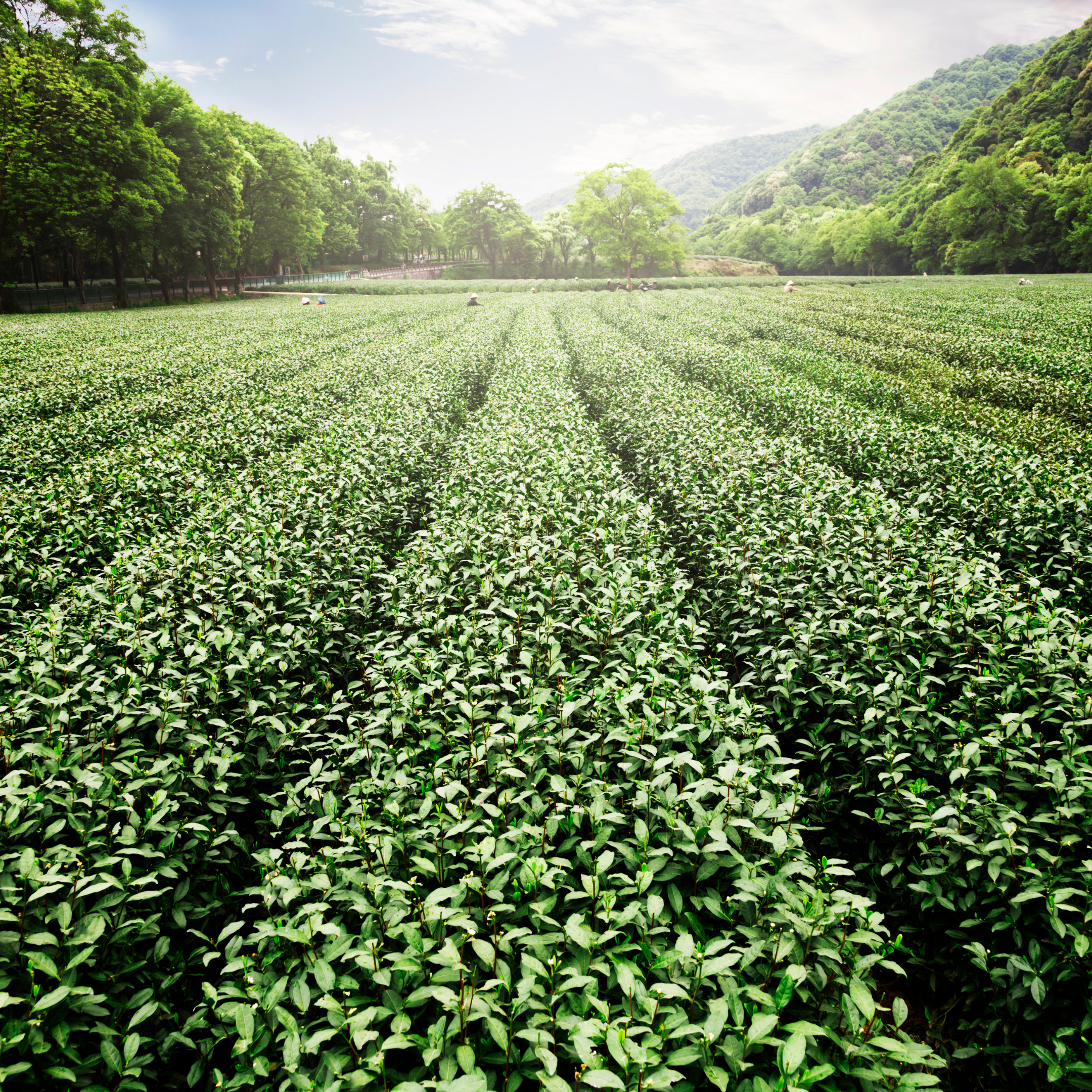
- Sustainably harvested herbs are now a top priority. Many reputable TCM suppliers use organic growing practices and avoid pesticides and overharvesting.
- Avoiding endangered species is key. The modern Chinese herbalist no longer relies on controversial animal-derived ingredients but uses plant-based substitutes that are just as effective.
- Local sourcing is on the rise, too. Herbalists in the UK are increasingly turning to British-grown herbs such as dandelion, nettle and hawthorn, which share similarities with their traditional Asian counterparts.
By choosing a qualified TCM practitioner, patients can feel confident that their health journey supports both personal wellbeing and ecological harmony.
Bridging Tradition and Science
Some may view ancient herbalism and modern science as opposing forces, but in reality, they work best together. Many Chinese herbs have been studied for their biochemical properties, and their efficacy is being validated by contemporary research.
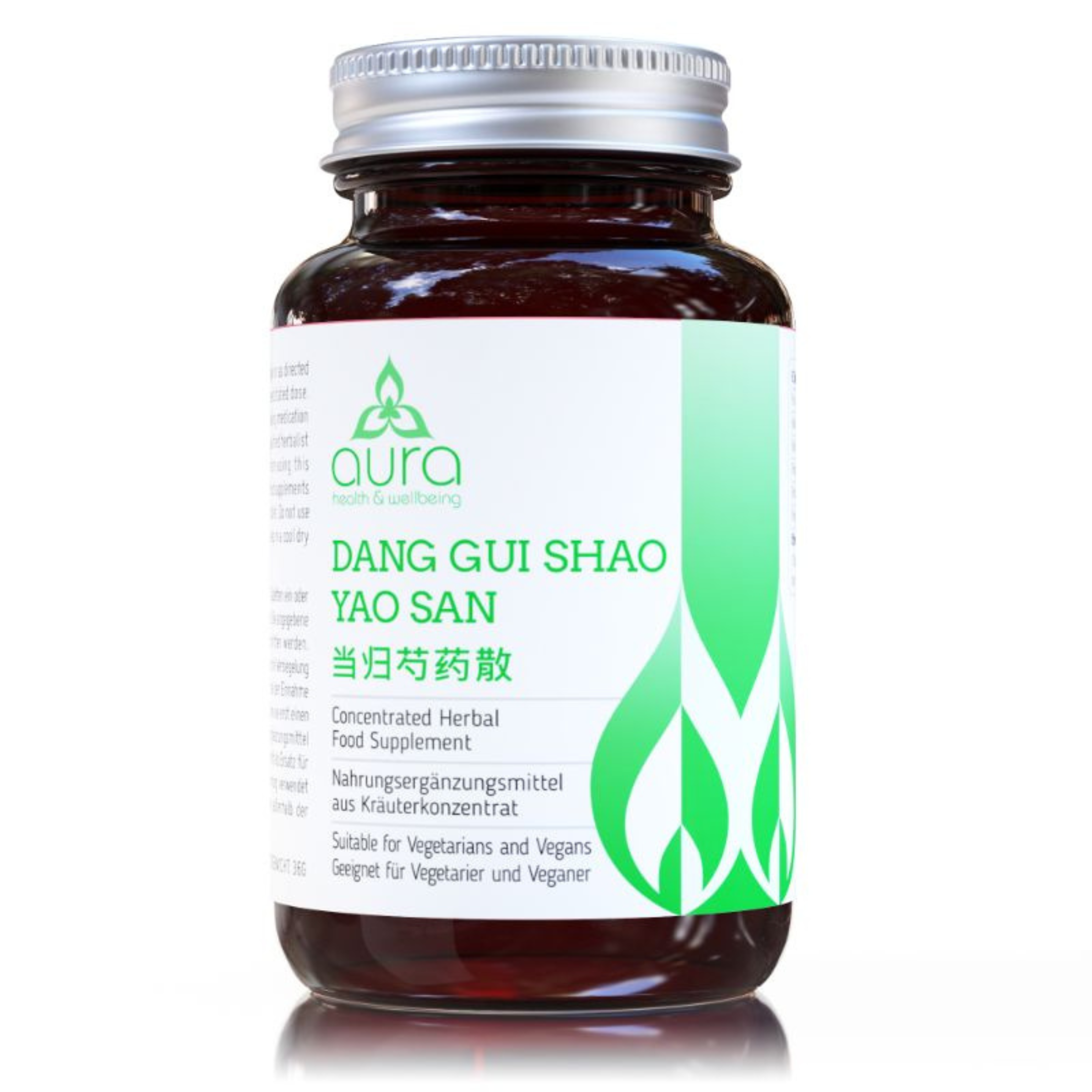
Take Huang Qin (Scutellaria baicalensis), used for Heat and inflammation—it has documented anti-viral, anti-bacterial and anti-inflammatory properties. Or Dang Gui (Angelica sinensis), renowned for nourishing the blood and now used as a natural aid for hormonal balance.
As more people embrace integrative and functional approaches to health, Chinese herbal medicine has found its place in wellness clinics, fertility centres, and even NHS partnerships across the UK.

Closing Thoughts
The work of the Chinese herbalist is a beautiful dance between precision and intuition, science and tradition. At a time when so many are seeking to reconnect with their bodies, slow down, and heal naturally, their wisdom feels more essential than ever.
Whether you’re struggling with a stubborn condition or simply want to embrace a more balanced life, Chinese herbal medicine offers a path not just to survive—but to thrive.

FAQ
- What conditions can a Chinese herbalist help with?
Chinese herbal medicine can support a wide range of health concerns, including:
- Digestive issues (e.g. IBS, bloating, reflux)
- Menstrual or fertility problems
- Skin conditions such as acne and eczema
- Sleep disturbances, fatigue, and stress
- Immune system recovery and resilience
Many people also seek out a TCM practitioner for preventative care or general wellbeing.
- What happens during a consultation with a TCM herbalist?
A consultation typically involves:
- A detailed discussion about your symptoms, lifestyle, and medical history
- Tongue and pulse diagnosis to assess internal imbalances
- Identification of your TCM pattern (e.g. Liver Qi stagnation)
- Prescription of a personalised herbal formula
Follow-up consultations are used to monitor your progress and adjust the formula as needed.
- Can I use herbs alongside other treatments, like Western medicine or acupuncture?
Absolutely. Chinese herbal medicine can complement Western treatments and is often used in tandem with acupuncture for enhanced results. Always let your herbalist and doctor know about all the therapies you’re using so your care is fully coordinated.
- Are your herbs ethically and sustainably sourced?
Yes. At Phoenix TCM, we are deeply committed to ethical sourcing and environmental responsibility. We work with trusted suppliers who prioritise organically grown herbs, avoid endangered species, and support sustainable farming practices.
- How can I find a qualified TCM herbalist?
Choose a practitioner who is fully trained, experienced, and registered with a professional body such as the RCHM (Register of Chinese Herbal Medicine) or BAcC (British Acupuncture Council). At Phoenix TCM, our practitioners are highly qualified and committed to delivering safe, natural, and effective care.