
International Self-Care Day 24th July: A Healing Invitation to Know, Nurture and Nourish Yourself
In the midst of life’s hustle—tight schedules, rising demands, relentless screens—it becomes all too easy to sideline the most vital relationship we have: the one with ourselves.
That’s exactly why International Self-Care Day, observed every year on 24th July, matters more than ever.
Why 24th July?
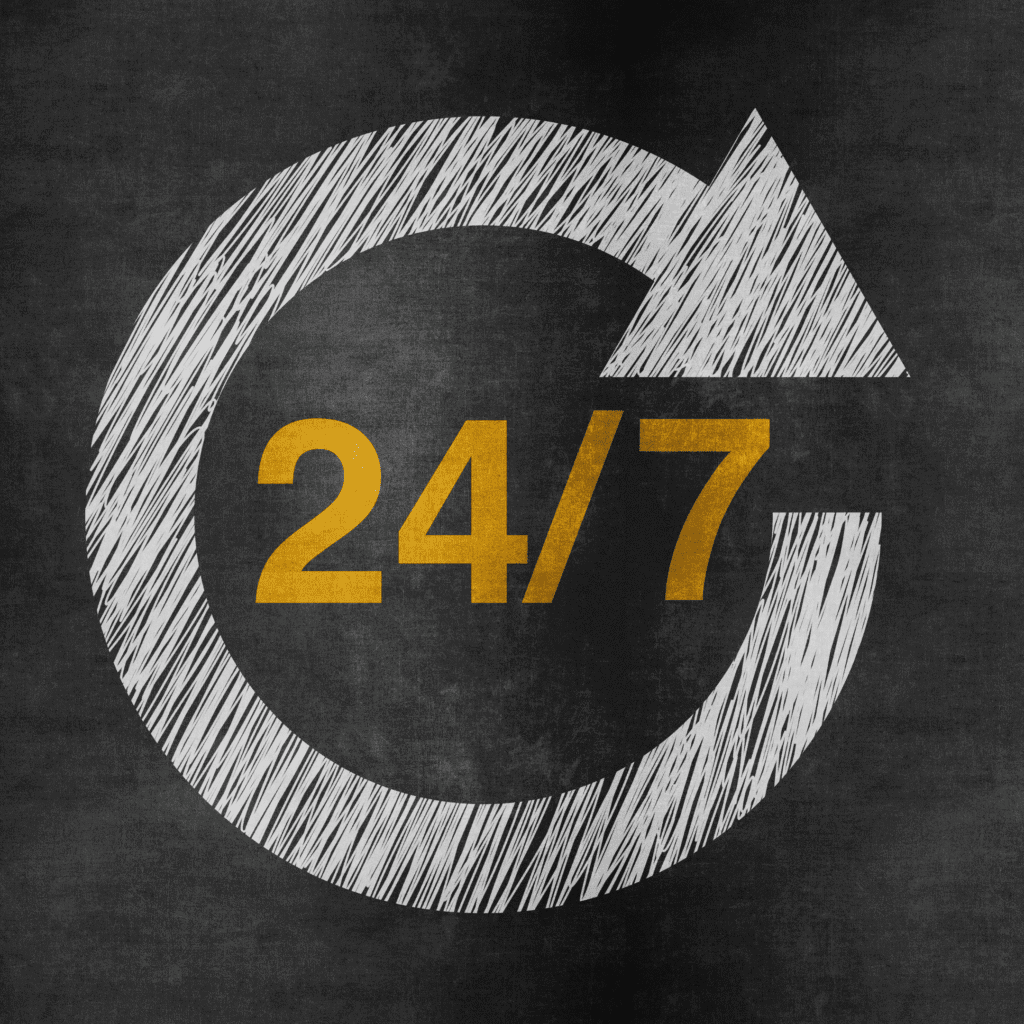
Chosen for its symbolism, 24/7 (24th July) represents the idea that self-care isn’t a once-a-year resolution—it’s something we deserve and require 24 hours a day, 7 days a week. The date serves as a global reminder that our wellbeing should be ongoing, intentional, and non-negotiable.
Originally established by the Global Self-Care Federation, the day encourages individuals and communities alike to adopt healthier practices, take responsibility for their personal wellbeing, and promote preventive healthcare. In a world where we’re often applauded for burnout, this day champions the radical idea that rest is productive, nourishment is sacred, and healing is holistic.
What Is Self-Care?
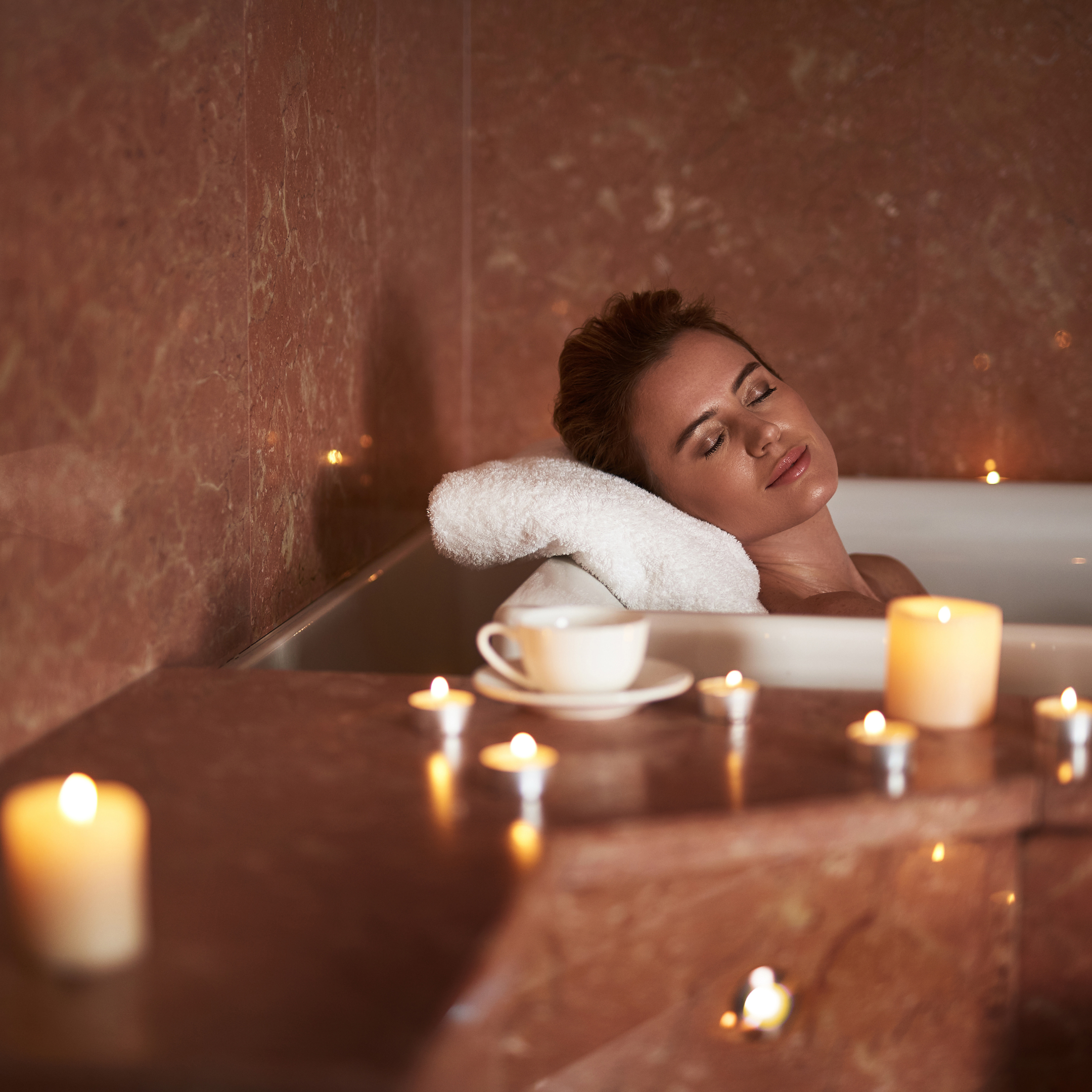
Contrary to the glossy social media snapshots, self-care isn’t all spa days and scented candles. While those are wonderful, true self-care runs deeper. It’s about building a life that you don’t feel the need to escape from. It’s about checking in with your needs—physical, emotional, spiritual—and making conscious choices to meet them.
At its core, self-care is the practice of becoming an active participant in your own healing, growth, and fulfilment. And that’s where the wisdom of traditional Chinese medicine (TCM) has so much to offer.

Self-Care through the Lens of Traditional Chinese Medicine
Traditional Chinese medicine takes a beautifully integrated view of health—treating the whole person, not just the presenting symptoms. In TCM, the physical body, emotional landscape, and spiritual vitality are all interwoven. When one thread frays, the whole tapestry is affected.
So what does self-care look like through this lens?
- ✨ Balancing Yin and Yang: Recognising when your body needs to rest (Yin) or be activated (Yang), and honouring those rhythms.
- 🌱 Supporting the flow of Qi (energy): Using tools like acupuncture, herbs, and movement practices like qi gong to keep your energy flowing freely.
- 🥣 Food as Medicine: Choosing seasonal, whole foods that support your constitution and environment.
- 🧠 Emotional Harmony: Processing emotions in a healthy way—acknowledging that feelings have physical consequences.
In this way, self-care becomes a daily act of listening to your body, tending to your energy, and gently bringing yourself back into balance.
Why Self-Care Is a Radical, Transformational Act
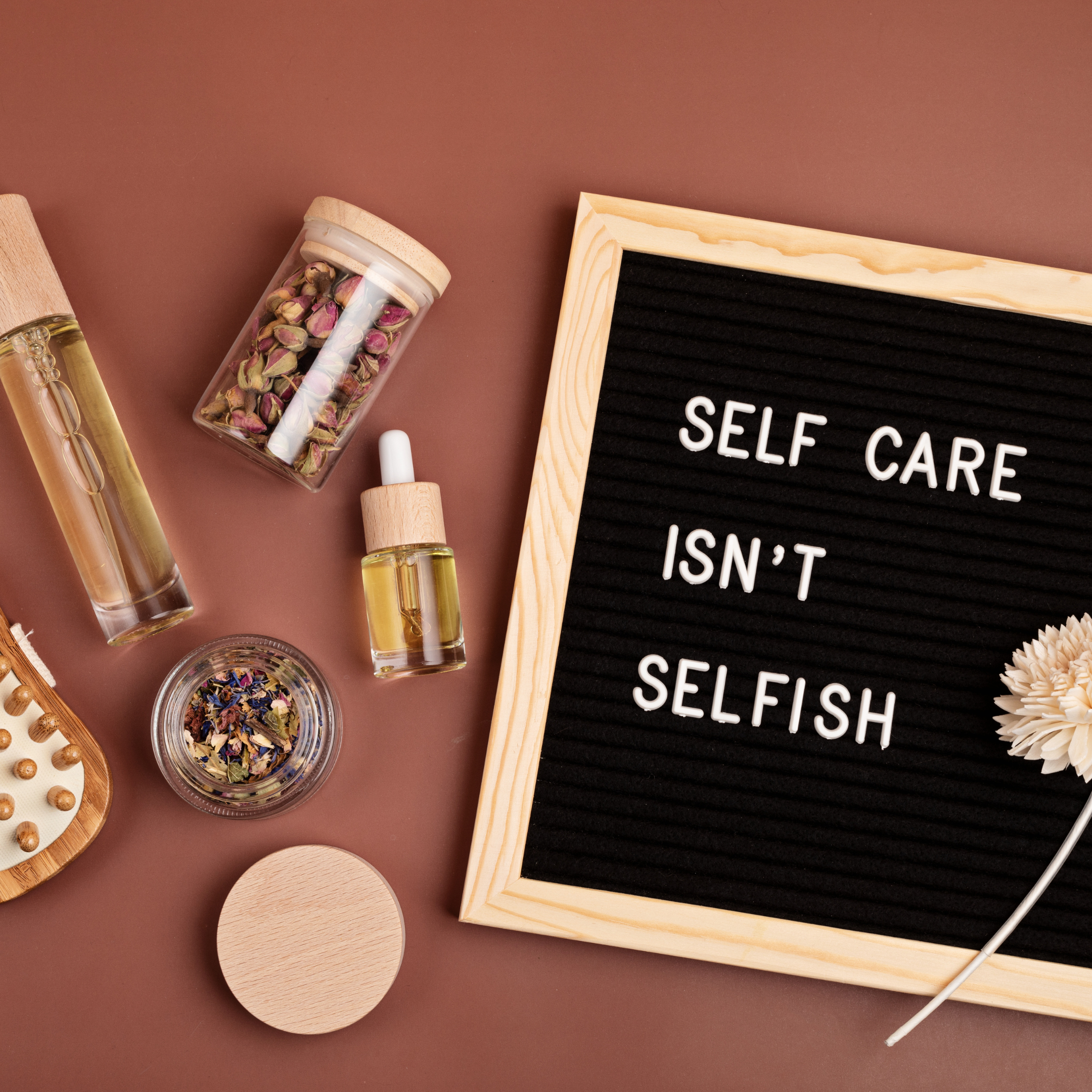
Self-care isn’t selfish—it’s sustainable.
In a culture that celebrates output, overworking, and self-sacrifice, choosing to rest, to nourish, to slow down—that is a radical act.
It’s also a transformational one. Why? Because healing ourselves has a ripple effect. When we regulate our nervous system, deepen our self-awareness, and make decisions aligned with our wellbeing, we become more present, compassionate, and connected—to ourselves and others.
Self-care is not escape. It’s engagement. It’s choosing to live with intentionality and integrity—even if that means saying no, setting a boundary, or prioritising quiet over noise.
How Can You Practise Self-Care?
Self-care isn’t one-size-fits-all—it’s as unique as you are. At its heart, it’s about consistently choosing to nurture your body, mind, and spirit in ways that feel supportive and restorative. Here are some meaningful ways to weave self-care into your life, combining modern lifestyle habits with the healing insights of traditional Chinese medicine (TCM):
1. Rebalance Your Energy with Traditional Chinese Medicine
TCM offers deep, time-tested support for cultivating holistic wellbeing. This can include:
- Herbal medicine to nourish and regulate internal systems
- Acupuncture to rebalance energy and relieve stress
- Dietary therapy rooted in seasonal wisdom
- Movement practices like tai chi or qi gong to strengthen flow and inner calm
Explore these healing pathways through our courses and resources at phoenixtcm.org.uk—because self-care becomes even more powerful when grounded in ancient wisdom.
2. Take Time Out to Recharge
Creating spaciousness in your schedule—even in small ways—is essential for preventing burnout and reconnecting with yourself. Try:
- A relaxing bath with calming scents like lavender or sandalwood
- A consistent bedtime routine to support restful, regenerative sleep
- Journaling to release thoughts, reflect, and deepen self-awareness
- Reading self-development or inspirational books to nourish the mind
- Simply allowing yourself to pause without guilt
Even a 10-minute moment of stillness can send powerful signals to your nervous system that you are safe and supported.
3. Move & Breathe with Nature
Spending time outdoors offers profound benefits for emotional and physical health. You might choose:
- A gentle walk in the park or woodland trail
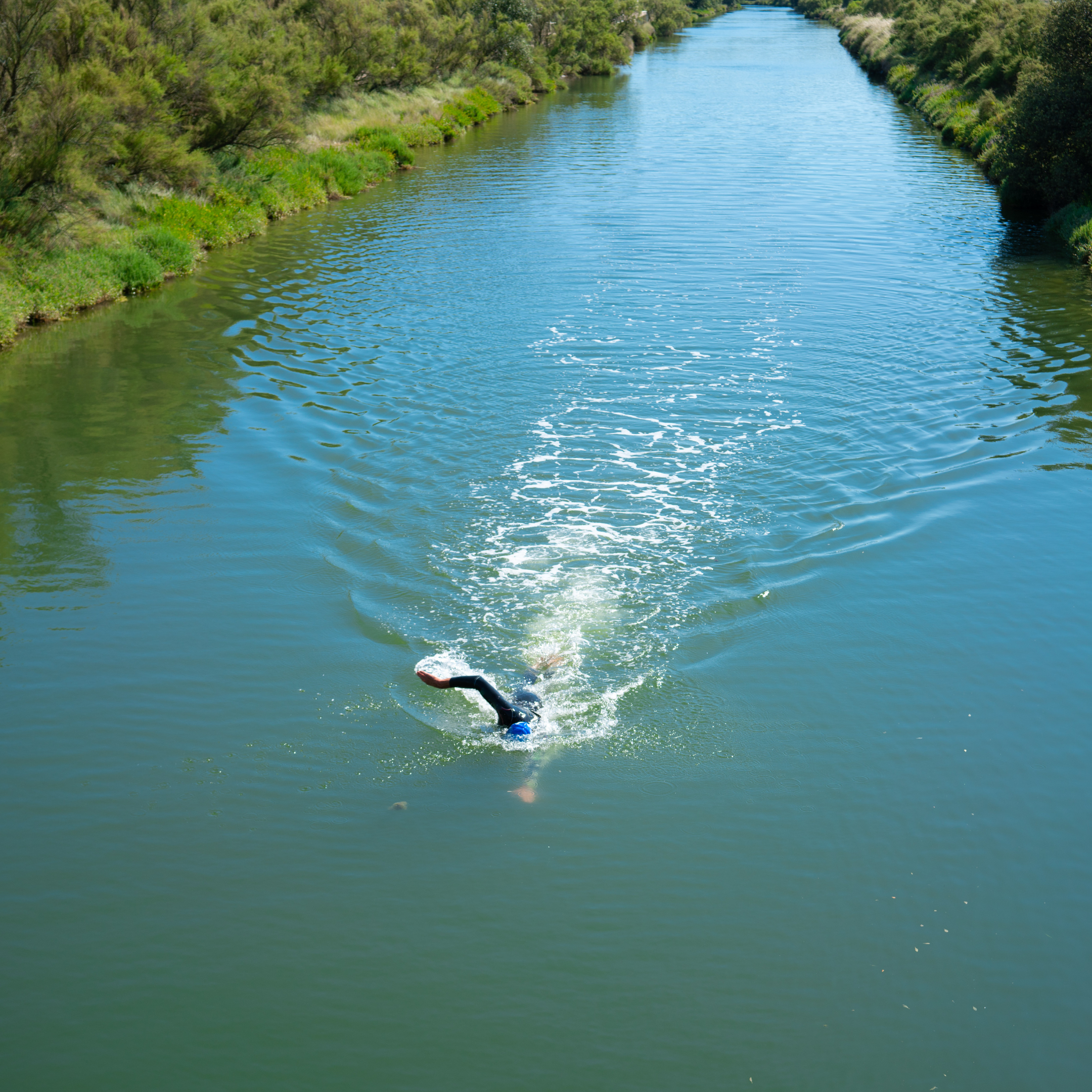
- Swimming in open water or dipping your toes in the sea
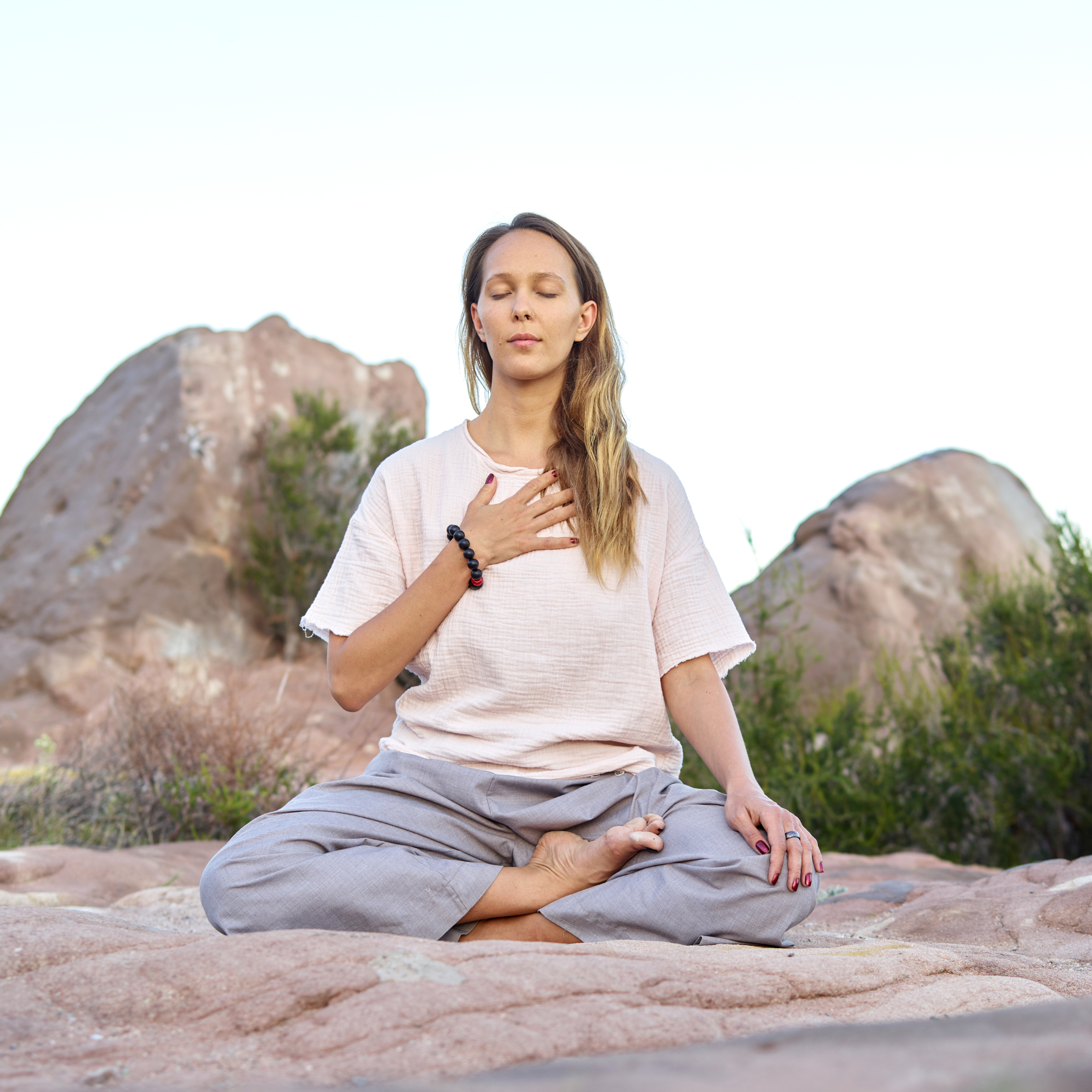
- Practising deep breathing under the sky or meditating beside a tree
Nature helps regulate cortisol levels, supports better sleep, and enhances mental clarity. Even a short stroll can shift your state of mind.
4. Nourish Your Body with Intentional Eating
Practising mindful eating—with attention to taste, texture, and how your body feels—is a simple but powerful self-care ritual. Choose whole, seasonal foods and chew slowly. This helps digestion, reduces overeating, and builds appreciation for the nourishment food provides.
Support your nutrition even further with high-quality supplements from AuraNutrition.com, designed to bridge modern lifestyles with functional, bioavailable formulations.
5. Move with Strength, Not Struggle
Movement is medicine—especially when it’s joyful and aligned with your energy. TCM reminds us to honour the natural ebb and flow of strength and softness.
Whether it’s strength training, yoga, tai chi, or even stretching between Zoom meetings, the key is consistency over intensity. Find your flow with performance tools and fitness support from MaximSports.com, helping you build resilience without burnout.

Education as a Path to Self-Awareness
One of the most overlooked aspects of self-care? Learning.
When we choose to understand ourselves, our health, and the world around us more deeply, we’re able to make informed, aligned decisions. Whether it’s studying the Five Elements in TCM, learning how adaptogens work, or exploring breathwork and nervous system regulation—education is empowerment.
PhoenixTCM’s courses and masterclasses are designed to make Chinese ancient wisdom practical, personal, and profound. And when you combine that learning with the functional resources of Aura Nutrition and Maxim Sports, you create a self-development toolkit for life.
A Final Note: The Self-Care Ripple Effect
This International Self-Care Day, take a moment to reflect. Not on what you need to fix, but on how far you’ve come. On the choices you’ve made to put your health first. On the small rituals that help you return to yourself.
Because self-care isn’t just about you—it creates ripples.
- A calmer you supports a calmer home.
- A nourished you becomes a source of energy in your community.
- A self-aware you leads with compassion and courage.
So today—and every day—choose to invest in your own healing. Visit phoenixtcm.org.uk, auranutrition.com, and maximsports.com to begin or deepen your journey. You deserve a life that feels whole.
FAQ
1. Why is International Self-Care Day celebrated on 24th July?International Self-Care Day is held on 24th July (24/7) to symbolise the importance of caring for oneself around the clock—24 hours a day, 7 days a week. It reminds us that self-care isn’t a luxury or one-time treat but a continuous practice that supports our physical, emotional, and spiritual wellbeing all year long.
2. How does traditional Chinese medicine (TCM) support self-care?
TCM offers a holistic perspective that views mind, body, and spirit as interconnected. Self-care in this tradition involves:
- Harmonising Yin and Yang
- Promoting the free flow of Qi
- Eating in sync with the seasons
- Supporting emotional balance
At PhoenixTCM.org.uk, you can explore these principles through comprehensive courses that teach how to integrate TCM into daily life for long-term healing and balance.
3. What’s the difference between self-care and self-indulgence?
While they may look similar on the surface, self-care is grounded in intention, balance, and sustainability, whereas self-indulgence often seeks short-term pleasure. For example, eating a nourishing, seasonal meal based on your body’s needs is self-care; bingeing out of stress without awareness might tip toward indulgence. TCM encourages conscious, harmonising choices that build resilience and vitality.
4. What role do nutrition and exercise play in effective self-care?
Nutrition and movement are core pillars of holistic self-care:
- AuraNutrition.com offers functional supplements to support immunity, mood, digestion, and focus—complementing herbal and dietary strategies found in TCM.
- MaximSports.com champions sustainable fitness for strength, stamina, and stress management, helping you move with self-awareness rather than exhaustion.
Together, they empower you to care for your body from the inside out—grounded in strength and nourishment.
5. How can I begin a self-care journey rooted in education and healing?
Start by deepening your understanding of how your body and mind truly function. Whether you’re new to healing or expanding your knowledge, education is a transformative form of self-care. PhoenixTCM’s TCM Diploma and Jing Fang Masterclass offer accessible, empowering pathways into the wisdom of traditional Chinese medicine. Paired with mindful movement and nutrition, this journey becomes a whole-person reset.