
Unlocking the Wisdom of Traditional Chinese Medicine: A Journey Through Ancient Healing Practices
At Phoenix TCM, we believe that healing is not just about treating symptoms—it’s about restoring harmony. Traditional Chinese Medicine (TCM) offers a rich tapestry of practices that have evolved over thousands of years, each rooted in the philosophy of balance, energy flow, and holistic wellbeing. From acupuncture to tai chi, these therapies continue to inspire and empower people across the globe.
Let’s explore the fascinating history, uses, and limitations of the key TCM modalities.
Cupping Therapy: Drawing Out Stagnation
History:
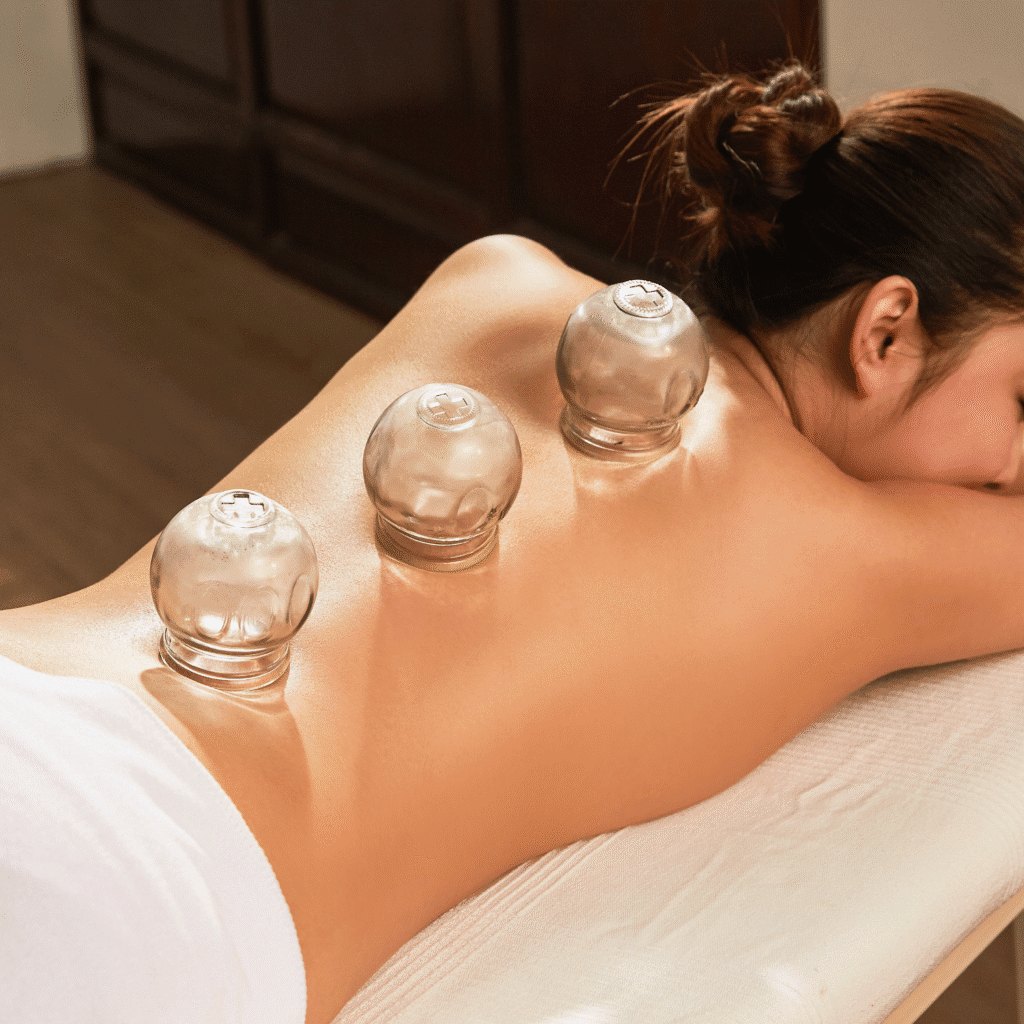
Cupping dates back to ancient Egypt and China, with records from the Han Dynasty (206 BCE–220 CE) describing its use. Traditionally, practitioners used animal horns or bamboo cups to create suction on the skin.
Uses:
Cupping is renowned for improving circulation, relieving muscle tension, and detoxifying the body. It’s often used for back pain, respiratory issues, and sports recovery.
Successes:
Athletes and chronic pain sufferers frequently report relief after cupping sessions. It’s also helpful for colds and bronchial congestion.
Limitations:
Cupping is not suitable for people with bleeding disorders, skin infections, or those on blood-thinning medication. It’s also not a standalone treatment for deep internal conditions.
Moxibustion: Igniting the Healing Flame
History:
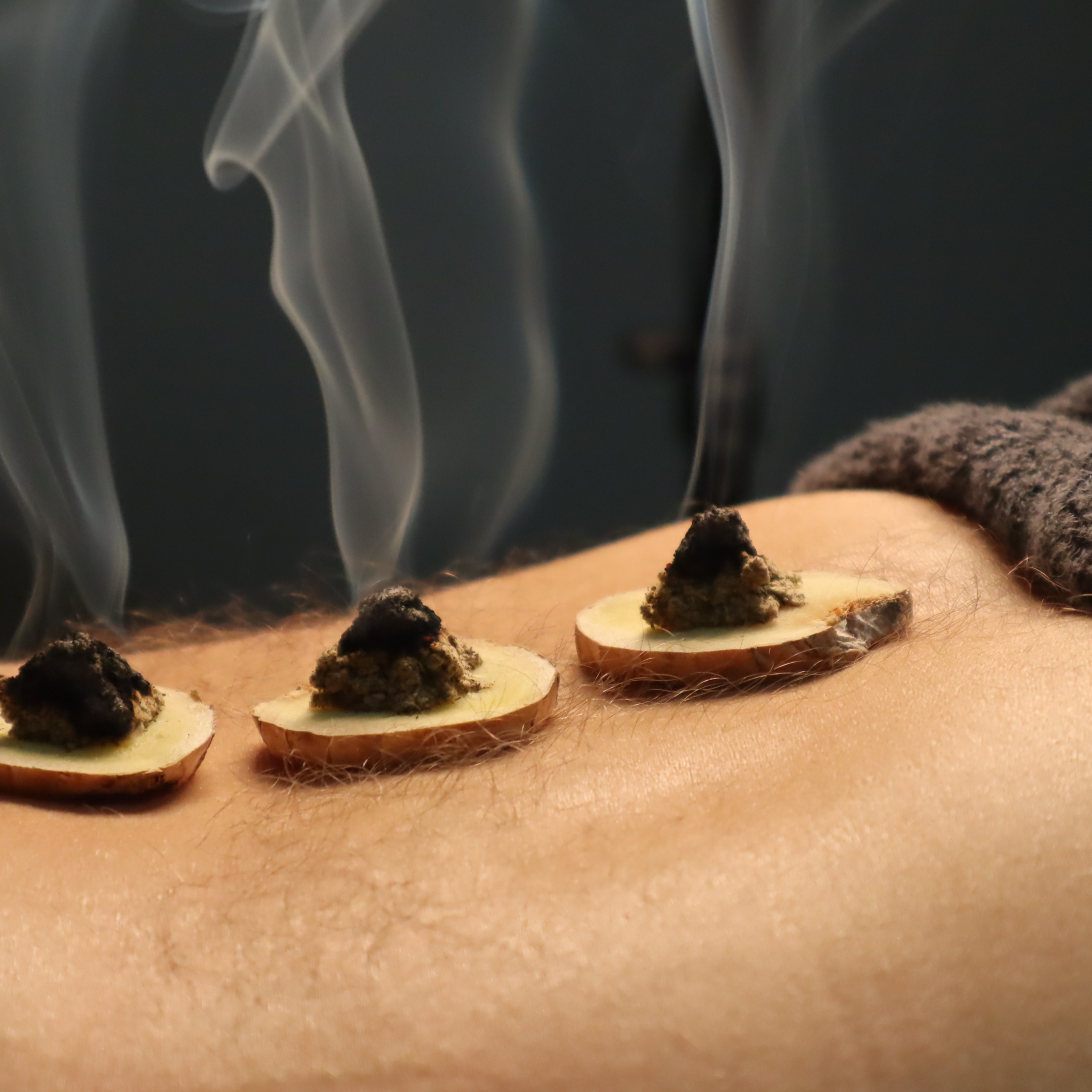
Moxibustion involves burning dried mugwort (Artemisia vulgaris) near or on the skin to stimulate acupuncture points. It’s been used for over 2,500 years, often alongside acupuncture.
Uses:
This warming therapy is ideal for cold and damp conditions, such as arthritis, digestive issues, and menstrual cramps. It’s also used to turn breech babies in pregnancy.
Successes:
Patients with chronic fatigue, cold limbs, or sluggish digestion often benefit from moxibustion’s warming effects.
Limitations:
Not suitable for heat-related conditions, high fevers, or inflamed skin. It should be avoided in very hot climates or by individuals with heat sensitivity.
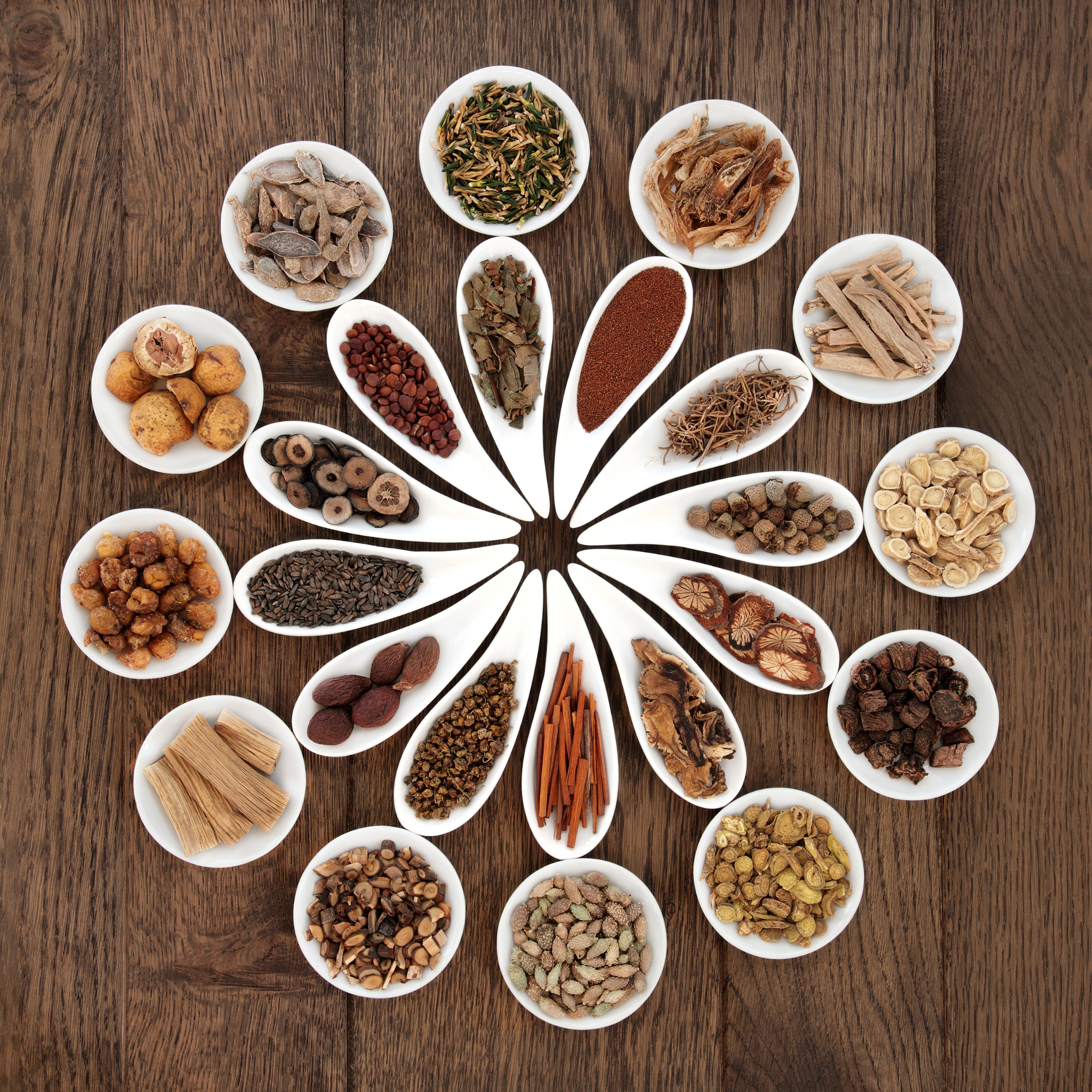
Chinese Herbal Medicine: Nature’s Pharmacy
History:
With roots in the legendary Shen Nong Ben Cao Jing (Divine Farmer’s Materia Medica), Chinese herbal medicine has been refined over millennia. It uses plant, mineral, and animal products to restore balance.
Uses:
Herbal formulas are tailored to the individual and can treat a wide range of conditions—from skin disorders and digestive issues to emotional imbalances and fertility concerns.
Successes:
Herbal medicine excels in chronic conditions, hormonal regulation, and immune support. It’s often used when Western medicine offers limited options.
Limitations:
Herbs must be prescribed by qualified practitioners to avoid interactions or side effects. Not suitable for acute emergencies or when precise pharmaceutical intervention is required.
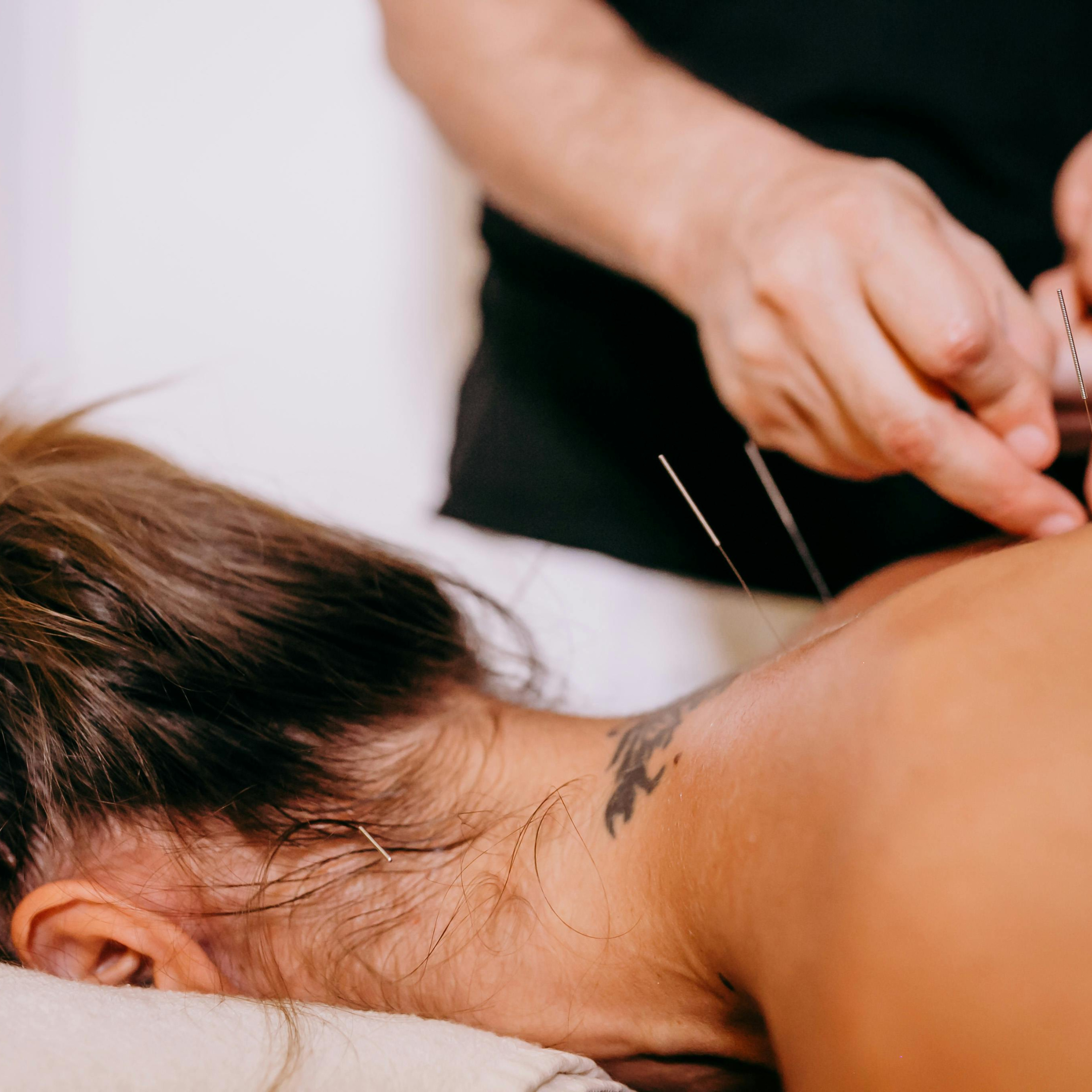
Acupuncture: Precision Healing Through Needles
History:
Acupuncture is one of the most recognised TCM practices, dating back over 2,000 years. It involves inserting fine needles into specific points to regulate qi (energy) flow.
Uses:
It’s used for pain relief, stress reduction, fertility support, insomnia, and more. NHS clinics increasingly offer acupuncture for migraines and chronic pain.
Successes:
Acupuncture has shown strong results in treating musculoskeletal pain, anxiety, and menopausal symptoms. It’s also used in cancer care for symptom management.
Limitations:
Not suitable for individuals with needle phobia or certain bleeding disorders. It’s not a replacement for surgical or emergency care.
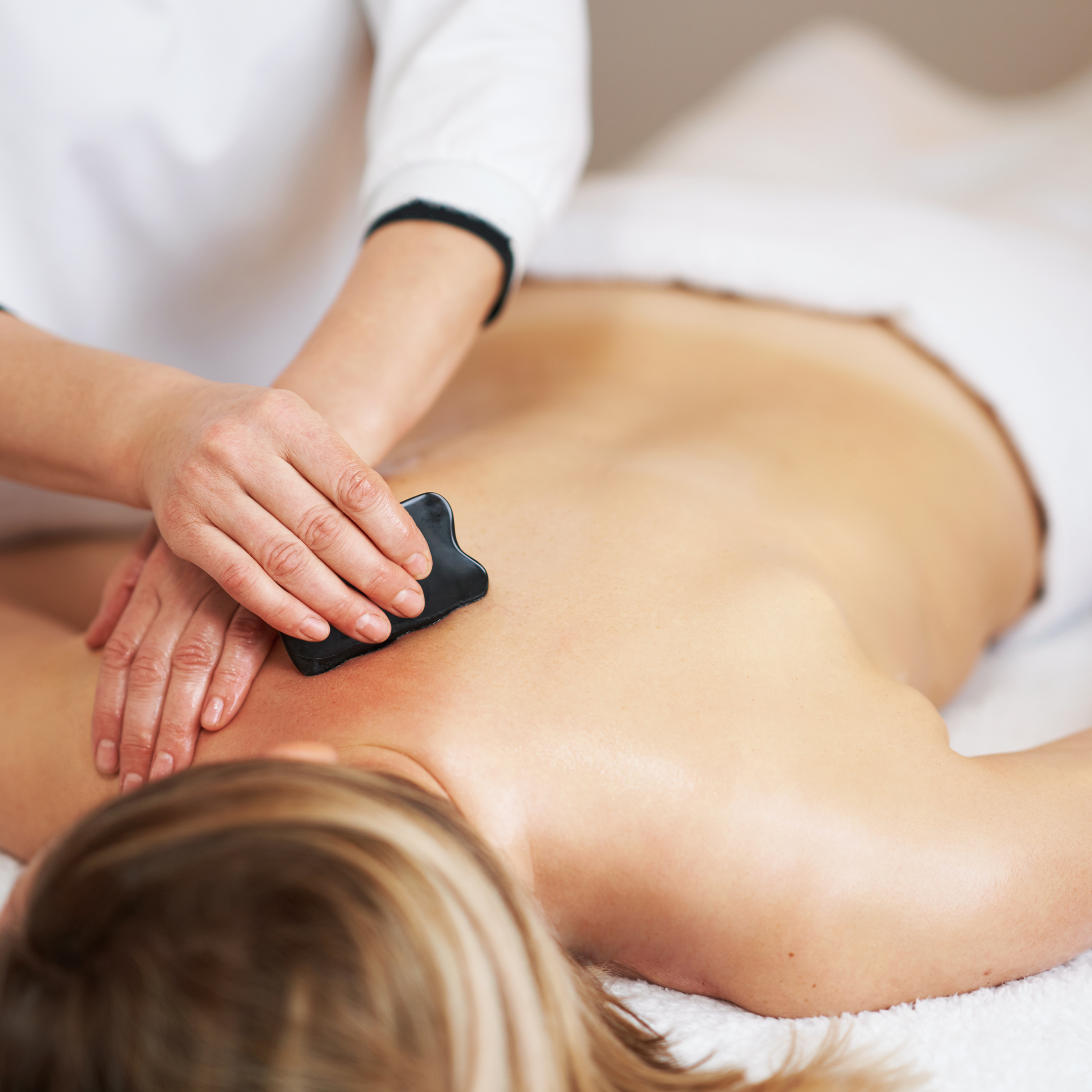
Gua Sha Massage: Scraping Away Tension
History:
Gua sha involves scraping the skin with a smooth-edged tool to stimulate circulation and release stagnation. It’s been practised in China since the Paleolithic age.
Uses:
Used for muscle pain, colds, fevers, and inflammation. It’s also popular in facial rejuvenation treatments.
Successes:
Gua sha can relieve tension headaches, neck pain, and boost lymphatic drainage. Facial gua sha promotes skin glow and reduces puffiness.
Limitations:
Not suitable for broken skin, bruising disorders, or very sensitive skin. It may leave temporary marks that resemble bruises.

Jing Fang: Classical Herbal Formulas
History:
Jing Fang refers to classical herbal prescriptions from ancient texts like the Shang Han Lun and Jin Gui Yao Lue. These formulas are time-tested and deeply rooted in TCM theory.
Uses:
Jing Fang is used for acute conditions like colds, flu, and fevers, as well as chronic illnesses. It’s particularly effective when matched precisely to the patient’s presentation.
Successes:
Practitioners trained in Jing Fang often achieve rapid results in treating viral infections and autoimmune conditions.
Limitations:
Requires deep diagnostic skill and is not suitable for self-prescription. It’s less effective when the formula doesn’t match the patient’s pattern.
Study Jing Fang with Professor Huang Huang in London this September 2025.
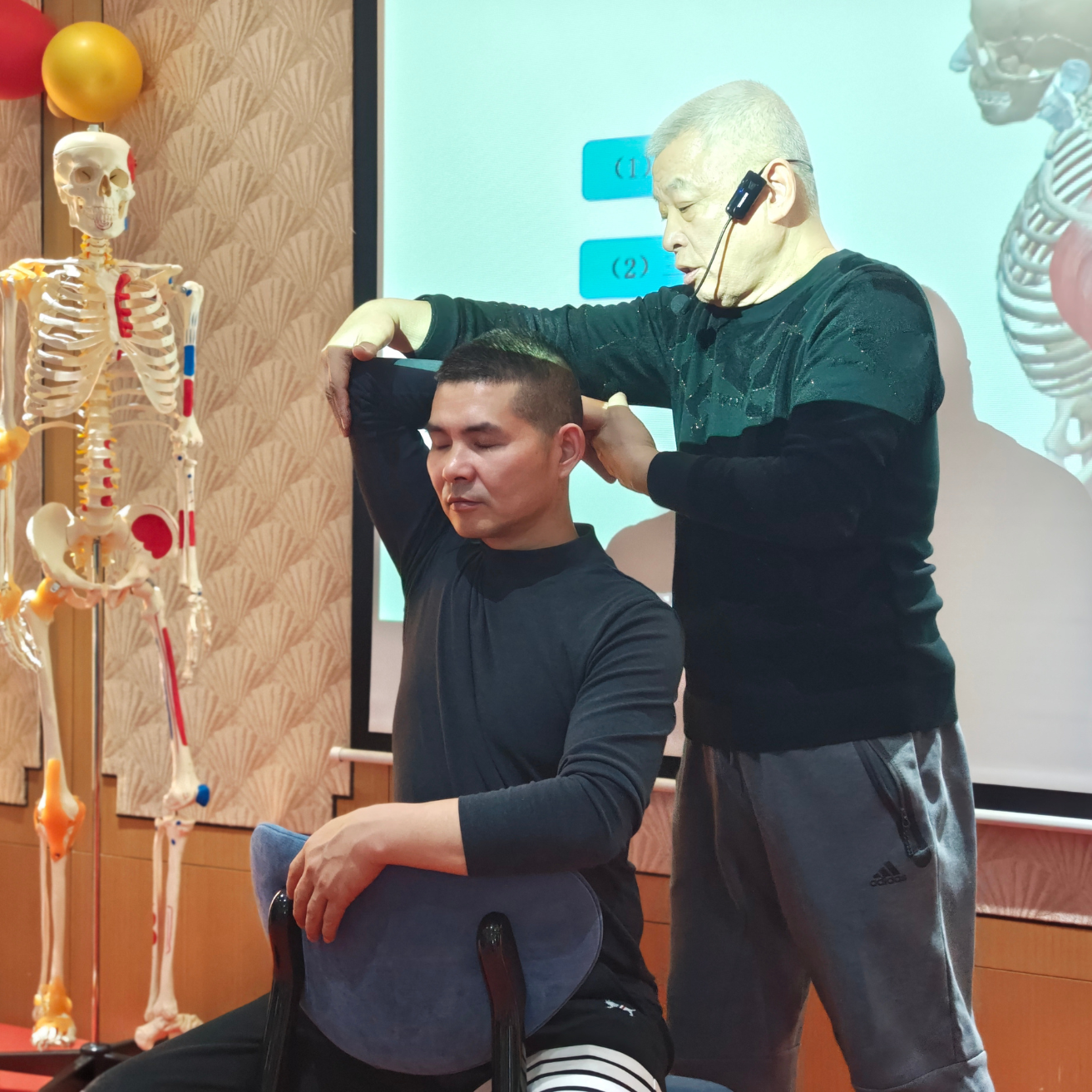
Manual Therapy for Soft Tissue Injury
History:
TCM manual therapy includes techniques like Tui Na (Chinese medical massage), which dates back to the Ming Dynasty. It focuses on musculoskeletal alignment and soft tissue healing.
Uses:
Ideal for sports injuries, joint pain, and rehabilitation. It combines massage, acupressure, and mobilisation techniques.
Successes:
Manual therapy can accelerate recovery from sprains, strains, and postural imbalances. It’s often used alongside acupuncture and cupping.
Limitations:
Not suitable for fractures, acute inflammation, or when structural imaging is required. Should be avoided in cases of severe osteoporosis.
Study Manual Therapy with master Jianmin Li – returning for his second visit working with Phoenix Academy in Jan/ feb 2026. Contact us to register your interest.
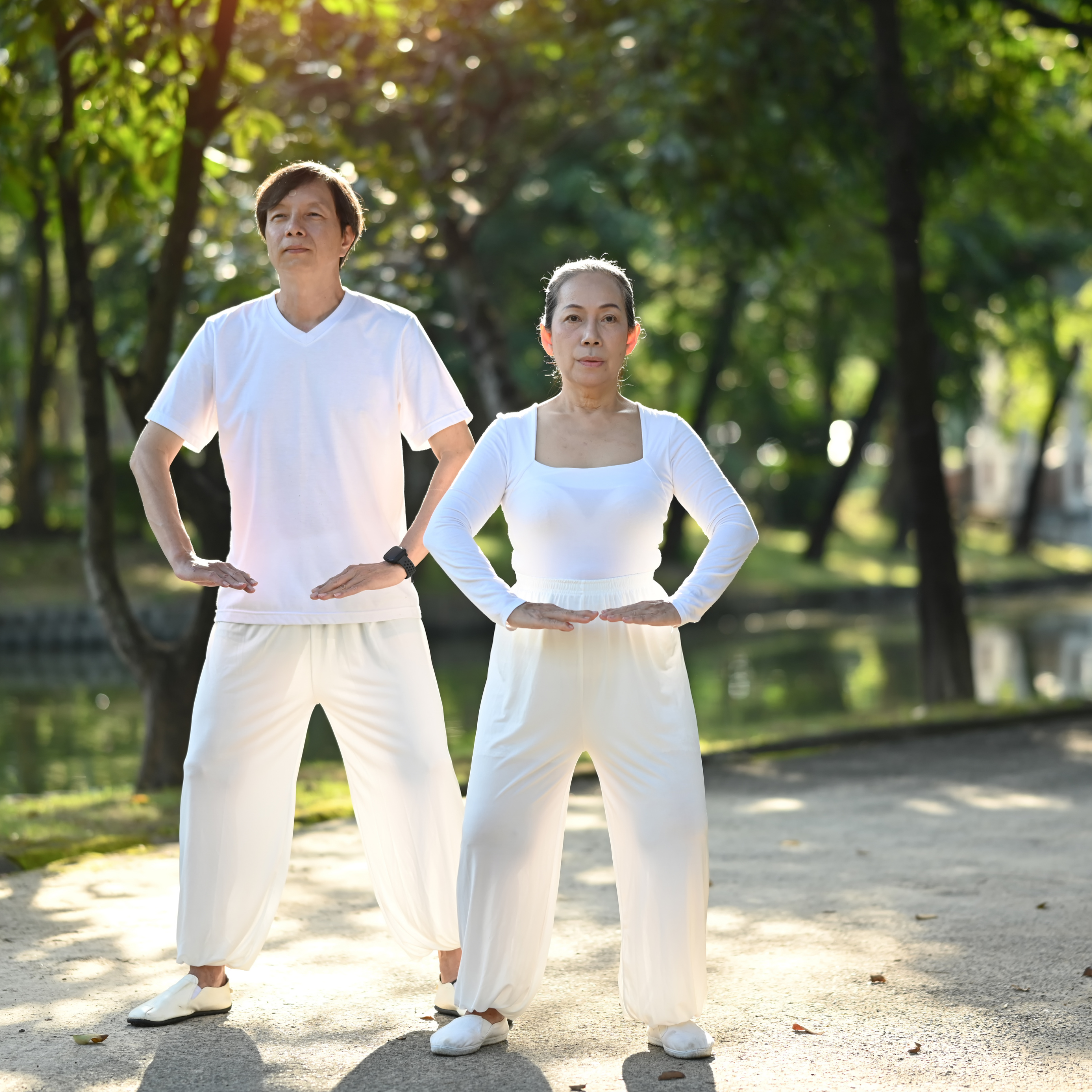
Qi Gong: Cultivating Vital Energy
History:
Qi Gong is a meditative movement practice that integrates breath, posture, and intention. It has roots in Daoist, Buddhist, and Confucian traditions, dating back over 4,000 years.
Uses:
Qi Gong is used for stress reduction, energy cultivation, and spiritual development. It’s also beneficial for chronic illness and emotional wellbeing.
Successes:
Practised regularly, Qi Gong enhances vitality, reduces anxiety, and improves balance. It’s suitable for all ages and fitness levels.
Limitations:
Not a quick fix for acute conditions. Requires consistent practice and guidance for best results.
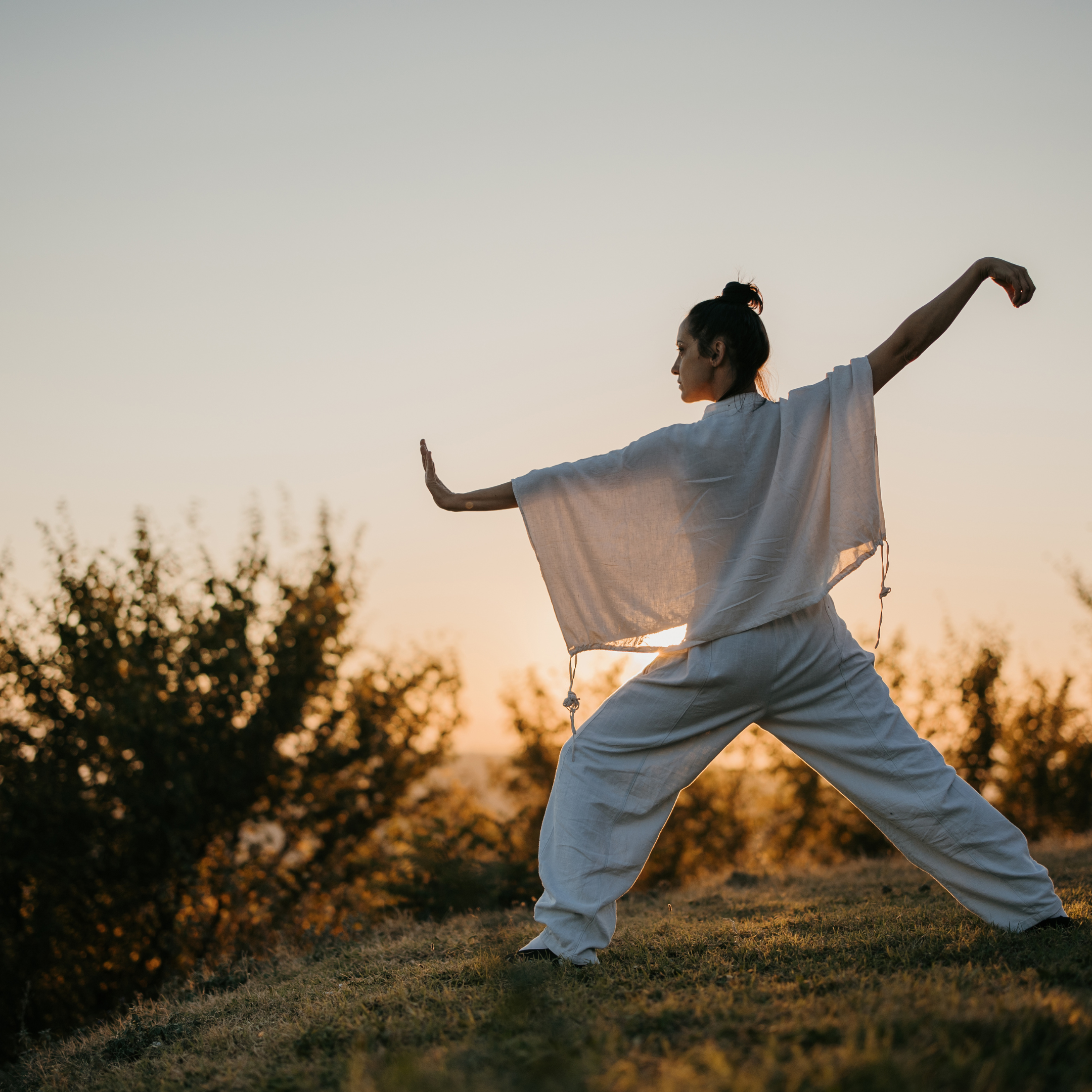
Tai Chi: The Art of Moving Meditation
History:
Tai Chi originated as a martial art in the 17th century and evolved into a graceful form of exercise. It’s based on yin-yang philosophy and internal energy cultivation.
Uses:
Tai Chi improves flexibility, balance, and mental clarity. It’s used in fall prevention programmes, cardiac rehab, and stress management.
Successes:
Studies show Tai Chi reduces blood pressure, improves joint mobility, and enhances mood. It’s especially beneficial for older adults.
Limitations:
Not suitable for acute injuries or those needing high-intensity exercise. It’s a long-term practice rather than a short-term intervention.
Embracing the Wisdom of TCM
Each TCM practice offers a unique pathway to healing, rooted in centuries of observation, philosophy, and clinical experience. At Phoenix TCM, we tailor treatments to your individual constitution, lifestyle, and goals—whether you seek relief from pain, emotional balance, or simply a deeper connection to your body’s wisdom.
TCM is not about choosing one modality over another—it’s about integrating the right tools at the right time. Our practitioners are here to guide you with compassion, expertise, and a deep respect for your journey.
FAQ
- Is TCM safe to use alongside Western medicine?
Yes, many TCM therapies complement conventional treatments. Always consult your GP and TCM practitioner. - How many sessions will I need?
It depends on your condition, constitution, and goals. Acute issues may resolve quickly; chronic ones may take longer. - Can I use herbal medicine without seeing a practitioner?
No—herbs should be prescribed by a qualified TCM practitioner to ensure safety and effectiveness. - Does acupuncture hurt?
Most people feel minimal discomfort. The needles are very fine, and many find the experience relaxing. - What’s the difference between Qi Gong and Tai Chi?
Qi Gong focuses on internal energy cultivation through breath and intention; Tai Chi is a structured movement practice with martial roots.