

Tuina (pronounced “twee-nah”)
is an ancient form of Chinese therapeutic massage that dates back to around 1700 BC, during the Shang Dynasty. It is one of the four main branches of Traditional Chinese Medicine (TCM), alongside acupuncture, herbal medicine, and qigong. The term “Tuina” translates to “push and grasp,” reflecting the primary techniques used in this practice.
Historically, Tuina was used to treat a variety of ailments and was often practiced by martial artists to help heal injuries and improve physical conditioning. Over the centuries, it has evolved and integrated various techniques from other forms of massage and bodywork, becoming a comprehensive system of manual therapy.
Benefits of Tuina Massage
Tuina massage offers numerous health benefits, both physical and mental. Some of the key benefits include:
-
Pain Relief:
Tuina is highly effective in alleviating chronic pain, including back pain, neck pain, and joint pain. It helps to reduce inflammation and improve circulation, which can accelerate the healing process.
-
Improved Circulation:
By stimulating blood flow and the flow of Qi (vital energy), Tuina helps to nourish tissues and organs, promoting overall health and vitality.
-
Stress Reduction:
The rhythmic and soothing techniques used in Tuina can help to calm the nervous system, reduce stress, and promote relaxation.
-
Enhanced Immune Function:
Regular Tuina sessions can boost the immune system, making the body more resilient to illnesses.
-
Better Sleep:
Tuina can help to regulate sleep patterns and improve the quality of sleep by addressing underlying imbalances in the body.
-
Digestive Health:
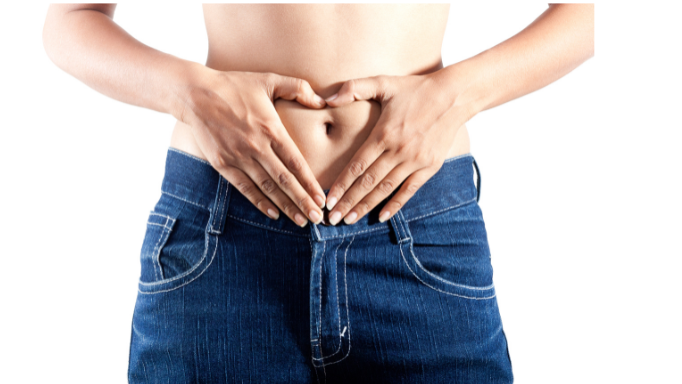
Techniques targeting the abdomen can improve digestive function and alleviate issues such as constipation and bloating.
Techniques Used in Tuina Massage
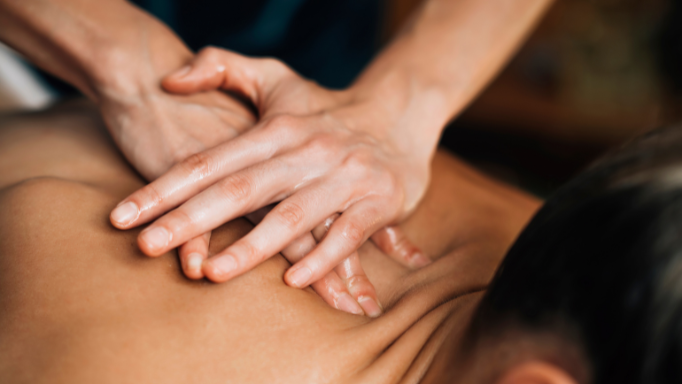
Tuina incorporates a variety of techniques, each designed to address specific health concerns and promote overall well-being. Some of the most common techniques include:
-
Rolling:
Using the back of the hand, the practitioner rolls over the muscles to relax and warm them up.
-
Kneading:
Circular movements with the palms or fingers to stimulate blood flow and relieve muscle tension.
-
Pressing:
Applying steady pressure with the fingers, palms, or elbows to specific points on the body to release blockages and promote the flow of Qi.
-
Grasping:
Gently lifting and squeezing the muscles to improve circulation and relieve tension.
-
Pushing:
Using the palms to push along the meridians (energy pathways) to stimulate the flow of Qi.
-
Tapping:
Lightly tapping the body with the fingers or a small hammer to stimulate the muscles and nerves.
-
Vibrating:
Rapid, small movements to penetrate deep into the tissues and stimulate the nervous system.
Interesting Facts About Tuina Massage
-
Integration with Other Therapies:
Tuina is often used in conjunction with other TCM practices such as acupuncture and herbal medicine to enhance its therapeutic effects.
-
Martial Arts Connection:
Many martial artists use Tuina to recover from injuries and improve their physical conditioning. It is believed to help maintain the balance of Qi, which is crucial for martial arts performance.
-
Holistic Approach:
Unlike some forms of massage that focus solely on muscle relaxation, Tuina aims to balance the body’s energy and address the root causes of health issues.
-
Customizable Treatments:
Tuina sessions are highly individualized, with practitioners tailoring their techniques to the specific needs and conditions of each patient.
-
Scientific Research:
Modern studies have shown that Tuina can be effective in treating conditions such as musculoskeletal pain, digestive disorders, and even certain neurological conditions.
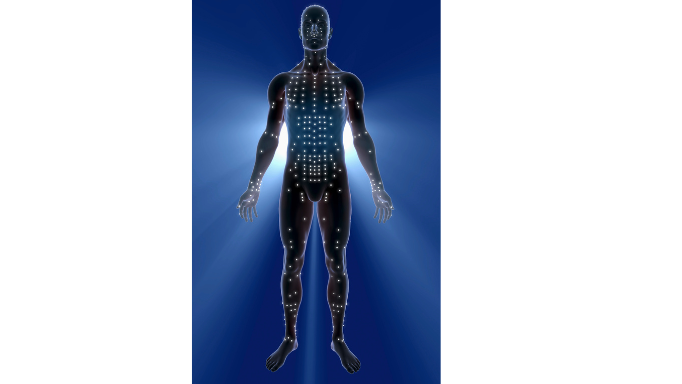
In Tuina massage, meridians play a crucial role in the therapeutic process. These meridians are pathways through which Qi (vital energy) flows, connecting various parts of the body and ensuring the balance and harmony of energy. Here’s a deeper look into the meridians and their significance in Tuina:
Understanding Meridians
Meridians are an integral part of Traditional Chinese Medicine (TCM). They are invisible channels that run throughout the body, forming a network that connects organs, tissues, and other systems. There are twelve primary meridians, each associated with a specific organ, and eight extraordinary meridians that serve as reservoirs of Qi and blood.
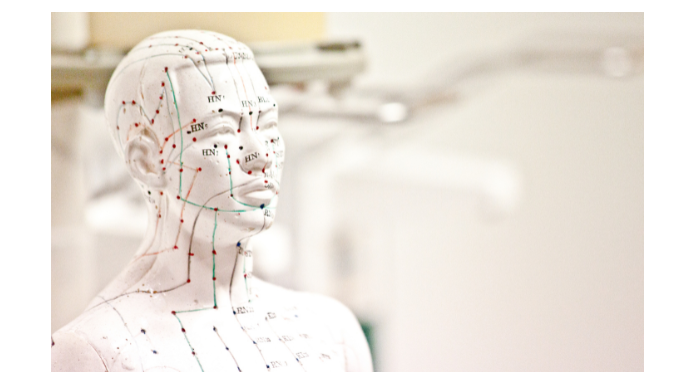
The Twelve Primary Meridians
1.Lung Meridian (LU):
Governs respiratory functions and is linked to the skin.
2.Large Intestine Meridian (LI):
Associated with the digestive system and waste elimination.
3.Stomach Meridian (ST):
Influences digestion and nutrient absorption.
4.Spleen Meridian (SP):
Controls the transformation and transportation of nutrients.
5.Heart Meridian (HT):
Manages blood circulation and emotional well-being.
6.Small Intestine Meridian (SI):
Aids in nutrient absorption and waste separation.
7.Bladder Meridian (BL):
Regulates the storage and excretion of urine.
8.Kidney Meridian (KI):
Governs growth, development, and reproductive functions.
9.Pericardium Meridian (PC):
Protects the heart and influences emotional health.
10.Triple Burner Meridian (TB):
Balances the body’s water metabolism.
11.Gallbladder Meridian (GB):
Affects decision-making and courage.
12.Liver Meridian (LV):
Regulates the flow of Qi and blood, and detoxifies the body.
The Eight Extraordinary Meridians
1.Governing Vessel (Du Mai):
Controls all the Yang meridians and influences the spine and brain.
2.Conception Vessel (Ren Mai):
Governs all the Yin meridians and affects reproductive and respiratory systems.
3.Thrusting Vessel (Chong Mai):
Acts as a reservoir for Qi and blood, influencing the abdomen and chest.
4.Girdle Vessel (Dai Mai):
Encircles the waist and helps regulate the flow of Qi in the lower body.
5.Yin Heel Vessel (Yinqiao Mai):
Balances the Yin energy and affects the lower limbs.
6.Yang Heel Vessel (Yangqiao Mai):
Balances the Yang energy and influences the lower limbs.
7.Yin Linking Vessel (Yinwei Mai):
Connects the Yin meridians and affects the chest and heart.
8.Yang Linking Vessel (Yangwei Mai):
Connects the Yang meridians and influences the exterior of the body.
Role of Meridians in Tuina
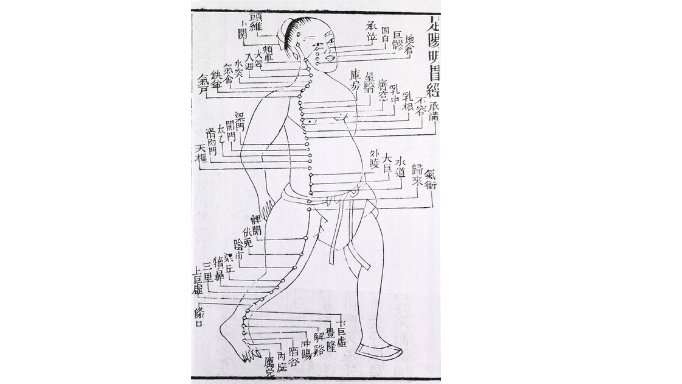
In Tuina, practitioners use various techniques to stimulate these meridians, ensuring the smooth flow of Qi and blood. By applying pressure, kneading, and other manipulations along these pathways, Tuina helps to:
-
Unblock Stagnant Qi:
Removing blockages in the meridians to restore the natural flow of energy.
-
Balance Yin and Yang:
Harmonizing the body’s energies to promote overall health.
-
Enhance Organ Function:
Stimulating specific meridians to improve the function of related organs.
-
Relieve Pain and Tension:
Targeting meridians associated with areas of discomfort to alleviate pain.
Conclusion
Tuina massage is a powerful and versatile form of therapy that has stood the test of time. Its rich history, diverse techniques, and wide range of benefits make it a valuable tool in the realm of holistic health. Whether you’re seeking relief from pain, stress reduction, or overall wellness, Tuina offers a natural and effective solution. If you haven’t tried it yet, consider exploring this ancient practice and experiencing its benefits for yourself.
FAQs
1.What are 5 self-care strategies?
Fuel your body with balanced, nutritious meals. Stay active to maintain physical and mental health. Engage in meditation or mindfulness practices. Nurture social relationships, especially with family and friends.
2.What are the 5 C’s of self-care?
Self-care is not a one-size-fits-all approach; it’s about finding what works best for you and making it a regular part of your routine. The 5 C’s of mental health—Connection, Compassion, Coping, Community, and Care—provide a comprehensive framework for fostering mental well-being.
3.What are the 7 pillars of self-care?
Each method of self-care fits into one of the seven pillars: mental, emotional, physical, environmental, spiritual, recreational, and social. A well-balanced self-care routine involves each of these, so avoid restricting yourself to just one or two pillars.